


How to Clean Your Dog’s Belly and Chest Area: Easy, Effective Tips
Keeping your dog clean isn’t just about making them look cute; it’s essential for their health and comfort. The belly and chest area are often overlooked during regular grooming but are prone to dirt, odors, and skin issues if not properly maintained. Whether your pup loves rolling in the grass, playing in the mud, or just tends to get sweaty in the summer, knowing how to clean these sensitive areas effectively can help prevent infections, skin irritations, and foul odors. In this comprehensive guide, we’ll walk you through the step-by-step process of cleaning your dog’s belly and chest, offering practical tips that are easy to follow and highly effective.
From preparing your bathing area to maintaining your dog’s cleanliness in the long run, this article aims to empower you with the knowledge needed for a safe, gentle, and thorough cleaning routine. Let’s dive in!
Preparing the Bathing Area and Gathering Necessary Supplies
The first step to a successful dog cleaning session is setting up a safe, calm environment. Whether you’re using a bathtub, a sink, or a designated outdoor tub, ensure the space is clean and free of hazards. Clear the area of any objects that could cause your dog to trip or become anxious, and consider placing non-slip mats to prevent slipping, especially if your dog is nervous or unsteady. Good preparation minimizes stress and helps you efficiently accomplish the task.
Next, gather all necessary supplies before starting. Essential items include a dog-specific shampoo (preferably hypoallergenic or formulated for sensitive skin), a gentle brush or comb, soft towels, and a cup or sprayer for rinsing. You may also want to have some wipes or damp cloths handy for spot cleaning or delicate areas. If your dog has a tendency to be anxious or easily startled, having treats or toys nearby can help keep them calm and cooperative. Using the right tools and supplies tailored to your dog’s size, coat type, and skin sensitivities ensures a smoother, more effective cleaning process.
Finally, choose a warm, comfortable environment to perform the cleaning. Dogs are more receptive to grooming when they feel secure and at ease, so consider warming the space if it’s cold or drafty. If outdoors, pick a shaded, quiet spot free from distractions. Before starting, check the temperature of the water—lukewarm (not hot or cold)—which is comfortable for your dog and helps prevent skin irritation. Proper preparation sets the tone for a successful cleaning session, making it safer and more enjoyable for both of you.
Proper Techniques for Wetting and Applying Cleaning Products to a Dog’s Belly and Chest
When cleaning your dog’s belly and chest, gentle and systematic techniques are key to avoiding discomfort or skin irritation. Begin by thoroughly wetting the area with lukewarm water, using a cup or sprayer to evenly distribute moisture. Avoid dousing your dog with a high-pressure stream, which can startle or hurt them. Instead, aim for a gentle, steady flow that mimics natural rainfall, ensuring the skin stays comfortable and unwounded.
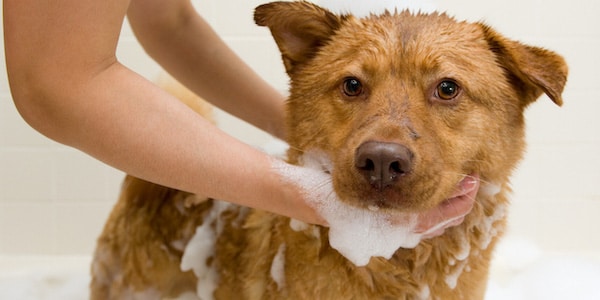
Next, apply a dog-specific shampoo or cleanser carefully, focusing on the belly and chest areas. Use your hands or a soft sponge to spread the product gently in circular motions. Remember, the skin on a dog’s belly and chest is often more delicate than on their back, so avoid scrubbing aggressively. Instead, let the shampoo do the work by lathering softly to loosen dirt, oils, and odors. If your dog has sensitive skin or allergies, opt for natural or hypoallergenic shampoos that contain soothing ingredients like oatmeal or aloe vera.
While applying the cleaning product, take special care to avoid the face, ears, and genital areas unless they are being specifically cleaned. Keep the bottle or your hands steady and avoid pulling on the skin or fur. For stubborn dirt spots, you can gently massage the area with your fingertips for a few seconds. This careful approach not only cleans effectively but also minimizes the risk of skin irritation, making the process more comfortable for your furry friend.
Gentle and Effective Methods for Scrubbing and Removing Dirt and Odor
Once the cleaning product is evenly distributed, it’s time to gently scrub the belly and chest to remove dirt, sweat, and odors. Use your fingers, a soft cloth, or a gentle brush to work in small circular motions. This method helps lift debris from the fur and skin without causing discomfort or scratching. Always be attentive to your dog’s reactions—if they seem uncomfortable or distressed, pause and adjust your technique accordingly.
For areas with thicker fur or stubborn grime, consider using a soft-bristled brush to penetrate deeper. Be cautious around sensitive areas such as the skin folds, if your dog has them, as these regions can trap moisture and dirt, leading to irritation or infections. When scrubbing, maintain light pressure and move gradually to avoid hurting your dog or causing skin irritation. If your dog resists, try distracting them with treats or praise to make the experience positive.
To ensure thorough cleaning, pay special attention to the folds and creases in the belly area. These spots are prone to trapping dirt, moisture, and bacteria, which can lead to unpleasant odors or infections. After scrubbing, you might consider spot-cleaning with damp wipes or cloths for hard-to-reach areas. The goal is to remove dirt and odors efficiently while preserving your dog’s skin health and comfort, making grooming a stress-free part of your routine.
Rinsing and Drying the Dog’s Belly and Chest to Prevent Skin Irritations
Proper rinsing is crucial to remove all traces of shampoo and loosened dirt; residual product can cause skin irritation or allergic reactions. Use lukewarm water and a gentle spray or cup to thoroughly rinse the belly and chest, ensuring no soap residue remains. Take your time—rushing the rinse can leave cleaning agents behind, which might cause itching or irritation over time. Be especially cautious around skin folds, where soap can get trapped and lead to yeast infections or dermatitis.
After rinsing, carefully pat your dog dry with soft towels. Avoid vigorous rubbing, which can irritate sensitive skin or cause discomfort, especially if your dog has skin conditions. Instead, gently press the towel onto the fur and skin to absorb excess water. For dogs with thick coats or long fur, you may need to use a blow dryer on a low, cool setting to ensure the area dries completely and prevent moisture buildup that can lead to skin infections.
Pay special attention to the belly and chest, as these areas are particularly susceptible to moisture retention. Ensuring they are thoroughly dried helps prevent skin irritations, hot spots, and fungal infections. If your dog is prone to skin issues, consider applying a gentle, vet-recommended skin conditioner or powder after drying, which can help maintain the health of their skin and fur. Proper rinsing and drying are essential steps to keep your dog comfortable and skin healthy after cleaning.
Tips for Maintaining Cleanliness and Preventing Future Dirt Buildup in the Chest and Belly Area
Prevention is the best way to keep your dog’s belly and chest clean with minimal effort. Regular grooming routines that include brushing your dog’s coat can remove loose fur, dirt, and debris before they settle into the skin folds or become odorous. For dogs that tend to roll or get dirty often, consider daily or every-other-day brushing to reduce the need for frequent baths and keep the coat in good condition.
Keeping your dog’s environment clean also plays a vital role in preventing dirt buildup. Regularly wash bedding, toys, and any areas your dog frequents to decrease the amount of dirt and bacteria they come into contact with. When walking or playing outside, wipe down your dog’s belly and chest with damp cloths if they’ve been in muddy or dusty areas. These quick cleanups help reduce the accumulation of grime and odors between baths.
Finally, establishing a consistent grooming schedule tailored to your dog’s lifestyle, coat type, and skin sensitivity is key to maintaining lasting cleanliness. Routine inspections for skin issues, matting, or signs of infection can catch problems early. Incorporate gentle daily touches, such as petting and checking their fur and skin, to make the cleaning process less stressful and more effective. Proper maintenance not only keeps your dog looking and smelling fresh but also supports their overall health and well-being.
Conclusion
Cleaning your dog’s belly and chest isn’t just about appearances; it’s a vital part of maintaining their overall health and comfort. By preparing the right environment and supplies, applying gentle yet effective cleaning techniques, and ensuring thorough rinsing and drying, you can make the process safe and stress-free for your furry friend. Regular maintenance and preventive care help reduce dirt buildup, odors, and skin issues, contributing to a happier, healthier dog.
Remember, patience, consistency, and gentle handling are essential for successful grooming routines. Every dog is unique, so adapt your approach based on their size, coat, and skin sensitivities. With these tips, you’ll be well-equipped to keep your dog’s belly and chest clean, comfortable, and cared for — making grooming a positive experience for both of you.