


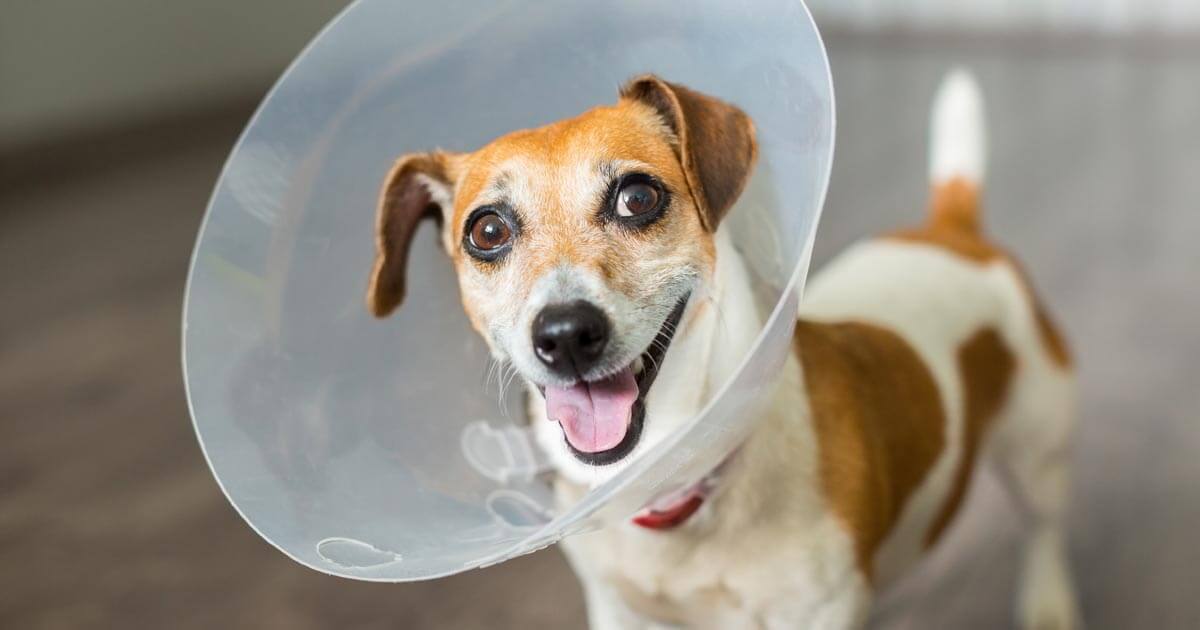
How to Safely Wash Your Dog with a Cone Collar: Tips and Step-by-Step Guide
Taking care of a dog recovering from surgery, injury, or skin issues often involves the use of a cone collar—also known as an e-collar or Elizabethan collar. While essential for preventing your pup from aggravating wounds or irritations, a cone can make activities like bathing a little tricky. Many pet owners ask, “How can I safely wash my dog when they’re wearing a cone?” The good news is, with some preparation and the right technique, you can make bath time safe, comfortable, and effective—even with a cone collar in place.
In this comprehensive guide, we’ll walk through everything you need to know—from preparing your dog and environment to choosing the right supplies, and from step-by-step bathing instructions to post-bath care—all tailored for dogs wearing a cone collar. Whether your furry friend is in recovery or just needs a gentle cleaning, these tips will help ensure their safety and comfort every step of the way.
Preparing Your Dog and Environment for a Safe and Comfortable Bath
Before you even turn on the water, setting the stage for a safe and stress-free bath is crucial—especially when your dog is wearing a cone collar. First, choose a location that’s calm, accessible, and non-slippery. A bathtub or a large sink works well because they contain the water and reduce splashing, but a walk-in shower with a textured mat can also suffice. Make sure the area is free of obstacles or sharp objects that could cause injury if your dog becomes startled or anxious.
Next, gather all your supplies beforehand to streamline the process and minimize stress for your dog. Have dog-specific shampoo, towels, a cup or gentle spray for rinsing, and a non-slip mat ready. It’s helpful to keep treats nearby to reward calm behavior, and consider placing your dog on a harness or leash if they tend to squirm or try to escape, ensuring you have gentle control. Additionally, consider the temperature—water should be lukewarm, around 90-100°F (32-38°C), as water that’s too hot or cold can cause discomfort or stress.
Lastly, familiarize your dog with the environment. If possible, introduce your dog to the bathing area beforehand, letting them sniff and explore without water. Use positive reinforcement—praise, treats, or toys—to create a positive association with the space. This step is especially important when a dog is wearing a cone, as they may feel uncertain or confused. Comfort and familiarity help reduce anxiety and make the bathing process smoother for both you and your pet.
Selecting the Right Dog Shampoo and Cleaning Supplies for Cone Collar Use
Choosing the correct grooming products is essential, especially when your dog is wearing a cone collar. Not all shampoos are suitable for every skin type or condition, so consult your veterinarian if your dog has skin sensitivities, allergies, or specific medical needs. Look for gentle, hypoallergenic formulas that are free of harsh chemicals, dyes, and artificial fragrances, which can irritate sensitive skin or worsen existing conditions.
When selecting a shampoo, consider options specifically formulated for dogs with skin issues—such as oatmeal-based shampoos for dry skin, medicated shampoos for infections, or hypoallergenic varieties for sensitive skin. These formulations help cleanse without stripping natural oils, reducing the risk of irritation. Additionally, eco-friendly or biodegradable shampoos can be a good choice for environmentally conscious pet owners. For cleaning supplies, opt for soft washcloths or sponges, and a gentle spray or cup for rinsing—avoid high-pressure nozzles that may frighten or hurt your dog.
In terms of convenience, some pet owners find that spray shampoos or waterless wipes are useful, especially for dogs who are anxious or have mobility issues. These products can help keep your dog fresh without the need for full immersion, which can be particularly helpful when dealing with a cone collar. Always follow the instructions on your grooming products and ensure that all supplies are clean and ready before you start bathing to avoid unnecessary delays or stress.
Step-by-Step Guide to Washing a Dog with a Cone Collar
Bathing a dog with a cone requires patience, gentle handling, and a clear plan. Here’s a step-by-step process to help you navigate this task smoothly:
-
Secure Your Dog: Before starting, gently leash or harness your dog and place them on a non-slip surface. If your dog is particularly anxious, consider using calming aids or pheromone sprays to ease stress.
-
Wet Carefully: Using lukewarm water, gently wet your dog’s body, avoiding the head and ears if possible. Use a cup or a gentle spray to control the water flow, ensuring you do not splash water into their eyes or ears. Be mindful of the cone, as water may collect around its edges.
-
Apply Shampoo: Dilute the shampoo slightly with water to create a gentle lather. Apply the shampoo to your dog’s body, paying attention to areas prone to dirt or odor. Use your hands or a soft cloth to massage the shampoo into the coat, being cautious around sensitive areas.
-
Rinse Thoroughly: Rinse your dog thoroughly, making sure no soap residue remains. Use a cup or spray to gently rinse, paying close attention to the underbelly, legs, and tail. Avoid splashing water directly into the cone or around its edges to prevent discomfort or water trapping.
-
Clean the Face and Ears: Carefully wipe your dog’s face with a damp cloth—never pour water directly on their face or ears. If necessary, use specialized pet wipes or a damp cloth for cleaning around the eyes, nose, and mouth.
-
Dry Your Dog: Pat your dog dry with a clean towel, pressing gently to absorb excess water. Use multiple towels if needed, and consider a blow dryer on a low, cool setting if your dog tolerates it—this helps prevent chills and speeds up the drying process.
Throughout the bathing process, communicate with your dog using soothing words, and reward calm behavior with treats and praise. Remember, patience and gentle handling are key to making this experience safe and positive.
Managing the Cone Collar During Bathing to Ensure Comfort and Effectiveness
The cone collar can complicate bathing, but with proper management, you can ensure your dog remains comfortable and the cone continues to serve its purpose. First, assess whether the cone is properly fitted—its edges should sit just below your dog’s neck, not too tight or loose. A well-fitted cone minimizes water entry and prevents your dog from scratching or biting at wounds, but it shouldn’t cause discomfort or restrict breathing.
When bathing your dog, you might need to temporarily adjust or modify the cone to facilitate cleaning. For example, removing the cone briefly during rinsing or face cleaning (if your veterinarian approves) allows for a more thorough job and reduces stress. If you choose to remove it, do so carefully and only when your dog is calm, then reattach immediately afterward. Always supervise during this process to prevent your dog from licking or scratching wounds.
Using a cone cover or a soft, flexible collar can sometimes help during bath time by reducing pressure points and increasing comfort. Additionally, consider placing a towel or small blanket around your dog’s neck and chest to prevent excess water from entering the cone or collar. Be gentle when maneuvering the cone, and communicate softly to reassure your dog throughout the process. Remember, the goal is to keep your pet safe while maintaining their dignity and comfort.
Drying and Post-Bath Care Tips for Dogs Wearing a Cone Collar
Proper drying after a bath is essential to prevent chills, skin irritation, and infections—especially for dogs wearing a cone collar, who might find it harder to dry themselves. Use soft, absorbent towels to gently pat your dog dry, focusing on areas where water tends to collect—such as under the ears, around the neck, and between the toes. Avoid vigorous rubbing, which can cause skin irritation or distress.
If your dog tolerates it, a blow dryer on the lowest, cool setting can significantly reduce drying time. Keep the dryer moving to prevent overheating any spot and maintain a safe distance from your dog’s skin. Be cautious around the head and neck, especially considering the cone—avoid directing hot air near or into the cone to prevent discomfort. Always watch for signs of anxiety or discomfort, and stop if your dog appears distressed.
Once your dog is thoroughly dry, check their skin for any signs of irritation, redness, or sores—common concerns during recovery. Ensure the cone is still correctly fitted and secure, as a loose or misaligned cone can cause discomfort or render the device ineffective. Offer your dog plenty of praise and treats for their cooperation during bath time, and keep the environment calm as you transition back to their regular routine. Regular post-bath checks and gentle handling help ensure your pet remains comfortable and healthy throughout their recovery period.
Conclusion
Bathing a dog with a cone collar may seem challenging at first, but with the right preparation, gentle handling, and patience, it can be a safe and manageable process. Prioritizing your dog’s comfort—by choosing appropriate supplies, creating a calm environment, and managing the cone effectively—makes the experience less stressful for everyone involved. Remember to always consult your veterinarian for specific guidance tailored to your dog’s condition, especially regarding cone management and skincare needs.
By following the step-by-step instructions and tips provided, you can help your dog stay clean and comfortable during their recovery or routine grooming. Healthy grooming habits contribute to your pet’s overall wellbeing, and showing patience and kindness during bath time fosters trust and a positive association with grooming routines. Ultimately, with a little effort and care, you can ensure your furry friend remains happy, clean, and safe—even while wearing a cone collar.