


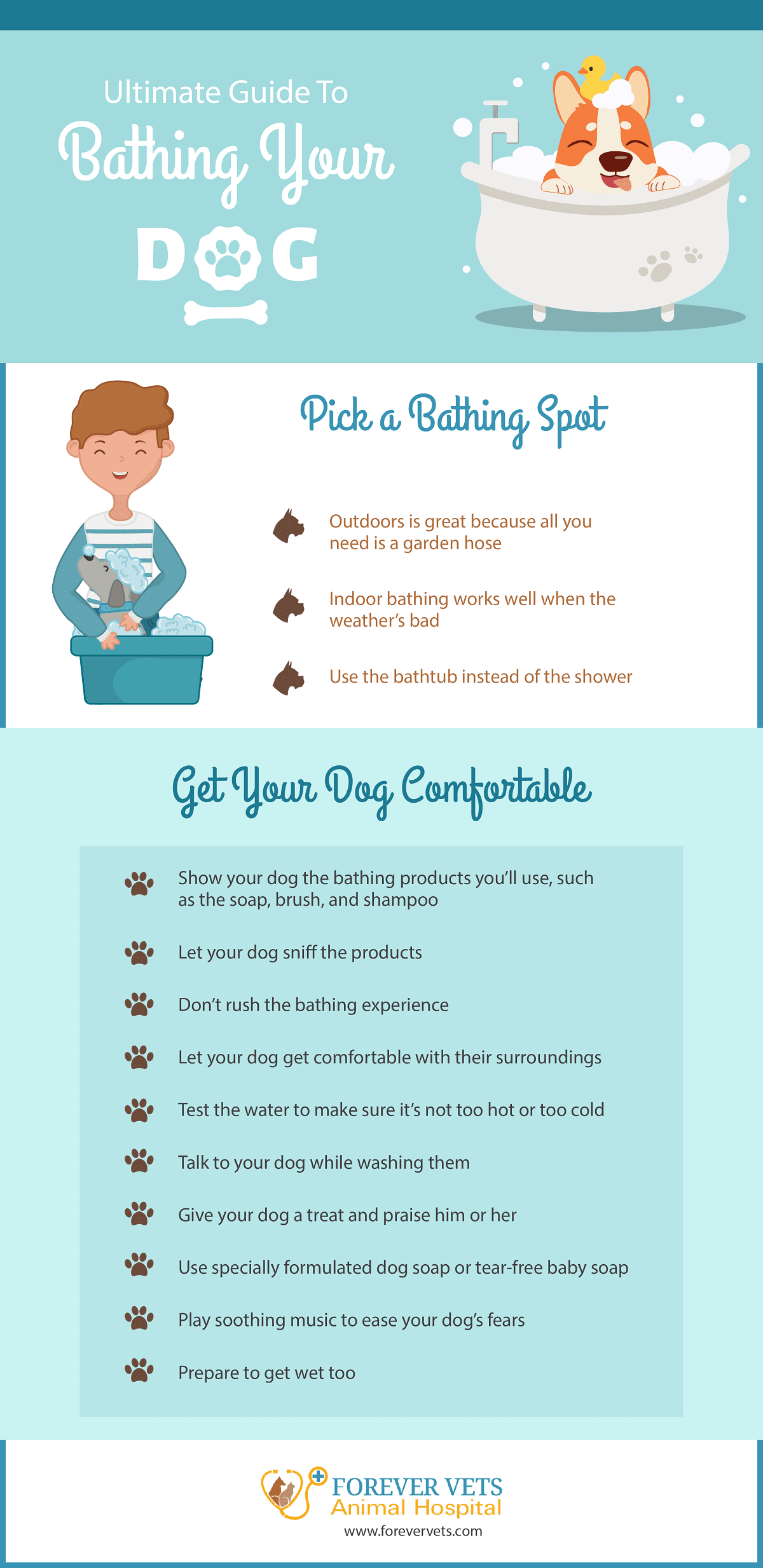
How to Wash Your Dog with Less Back Pain: Tips for Pet Owners
Bathing your furry friend is an essential part of pet care, helping to keep your dog clean, healthy, and happy. However, for many pet owners, especially those with existing back issues or limited mobility, giving their dog a bath can become a painful and daunting task. The good news is, with the right preparation, techniques, and posture awareness, you can make the process more comfortable—for both your dog and your back. This article guides you through practical tips and strategies to reduce back strain during dog washing, ensuring a safer, more enjoyable experience for everyone involved.
Preparing Your Space and Equipment for Comfortable Dog Washing
Creating an efficient and comfortable washing environment is the first step toward minimizing back pain. A well-organized space means fewer awkward movements and less bending or stretching during the bath. Ideally, choose a location that offers enough room for you and your dog—most pet owners prefer using a bathtub, a walk-in shower, or a dedicated pet washing station. If space allows, set up a non-slip mat inside the tub to prevent slipping accidents for your dog, reducing sudden movements that can strain your back.
Investing in the right equipment can make all the difference. Use a sturdy, portable step ladder or a small dog ramp to help your pet get in and out of the bathing area easily, eliminating the need to lift or toss them. A handheld showerhead or a detachable spray nozzle provides better control of the water flow, allowing you to rinse your dog without awkwardly bending over or reaching. Keep all your bathing supplies—shampoos, towels, brushes, and towels—within arm’s reach to avoid unnecessary bending or stretching. Consider using a raised dog bathing tub or a height-adjustable grooming table if you frequently wash your dog, as these devices help maintain proper posture and reduce back strain.
Finally, think about your own physical comfort. Standing on a cushioned mat can lessen fatigue and prevent slipping. Make sure the area is well-lit so you can see clearly, reducing the risk of accidental slips or improper handling. Preparing your space in advance ensures that the entire bathing process is smooth, less stressful, and kinder to your back, allowing you to focus on gently cleaning your dog without unnecessary discomfort.
Techniques for Proper Lifting and Handling to Reduce Back Strain
Lifting and handling your dog correctly is crucial for protecting your back during bath time. Always approach lifting with your legs, not your back—bend your knees and hips, keeping your back straight. This technique shifts the load from your spine to your leg muscles, which are better suited for lifting. When lifting your dog onto a bathing table or into a tub, try to keep your pet close to your body to reduce leverage and strain. Avoid awkward twists or jerky movements that can lead to back injuries.
For larger or heavier dogs, consider using tools like a harness or lifting straps designed for pet handling. These devices distribute your dog’s weight more evenly, making it easier to lift and carry them safely. When picking up your dog, support their chest and hindquarters simultaneously to keep them stable and prevent sudden movements that could cause injury. If your dog is anxious or resistant to being lifted, work gradually by rewarding calm behavior and offering treats, which can make the process smoother and less stressful for both of you.
Once your dog is in the bathing area, always support their body properly to avoid unnecessary twisting or pulling. For example, when rinsing or shampooing, use a gentle, steady grip to hold your pet, avoiding excessive pulling on their limbs or neck. Using a slip-resistant mat beneath you can also help prevent slips and falls, especially when handling a wet, slippery dog. Remember, the goal is to move your pet with care and control, maintaining good posture throughout to minimize back fatigue and injury.
Step-by-Step Guide to Washing Your Dog Safely and Effectively
A structured approach to bathing your dog ensures a thorough clean while protecting your back. Start by gently placing your dog on a non-slip surface or grooming table at the right height for you. Wet your dog slowly using a handheld showerhead or a gentle spray, starting from the neck and working downward. Use your arm and shoulder muscles, rather than bending your back, to direct the water, keeping your spine aligned and reducing strain.
Apply shampoo and lather your dog with gentle, circular motions, making sure to cover all areas—ears, paws, belly, and tail. Keep your movements controlled and avoid jerky motions, which can lead to sudden twists or pulls on your back. When rinsing, tilt your head slightly to the side and use your arm to guide the water, maintaining good posture. To reach difficult spots, shift your stance or reposition your dog rather than overstretching or twisting your torso.
Finish the bath with a thorough rinse to remove all shampoo residue, then carefully lift your dog out of the bathing area using proper lifting techniques. Wrap your pet in a towel immediately to dry them off, and pat gently rather than rubbing vigorously. Throughout the process, focus on slow, deliberate movements, avoiding sudden jerks or twisting that could cause back discomfort. Patience, good technique, and proper planning will help you clean your dog effectively while keeping your back healthy.
Tips for Maintaining Good Posture During Bathing Sessions
Maintaining proper posture during your dog’s bath is vital for preventing back pain. Keep your back straight, shoulders relaxed, and core engaged—this alignment distributes weight evenly and reduces fatigue. When working at a height-appropriate level, avoid bending over excessively. Instead, use a raised tub, grooming table, or a sturdy step stool to bring your dog to a comfortable working height, minimizing the need to hunch forward or reach excessively.
Balance is key—stand with your feet shoulder-width apart to provide stability and support. When reaching for your dog or supplies, move your whole body rather than twisting or stretching from the waist. If you find yourself leaning forward, slightly bend your knees and shift your weight into your legs rather than your lower back. Be conscious of your posture throughout the process, taking short breaks if necessary to stretch and reset your position. This mindfulness helps prevent cumulative strain and promotes safe, sustainable pet washing habits.
Additionally, consider ergonomic accessories such as adjustable wash stations or supportive braces if you frequently bathe large or multiple dogs. These tools can significantly improve your posture and reduce back strain over time. Remember, a little effort spent maintaining good posture during your pet’s bath pays off in fewer aches and pains afterward, making the experience more pleasant for both of you.
Post-Wash Care and Back Care Tips to Prevent Discomfort
After bathing your dog, it’s important to take care of both your pet and your own body. Gently dry your dog with a towel or a blow dryer set on low heat, supporting their body as you do so to prevent pulling or stretching. Proper drying reduces the risk of skin infections and keeps your pet comfortable, while also minimizing the need for excessive handling that could strain your back later.
Once the bath is complete, take a few moments for your own post-bath recovery. Stretch your back, shoulders, and legs gently to relieve any residual tension. If you experience soreness, applying ice or heat packs can help reduce inflammation and muscle tightness. Incorporate regular back-strengthening exercises into your routine, such as planks or gentle yoga, to build resilience for future pet-care tasks.
To prevent discomfort in future bathing sessions, consider adopting ergonomic practices consistently. Use tools like long-handled brushes, adjustable grooming stations, or grooming barrels that allow you to work at waist height. Keep your core engaged throughout the process, and avoid sudden movements or twisting. Over time, these habits will help you maintain a healthy back and make dog washing a more manageable, even enjoyable, experience.
Conclusion
Bathing your dog doesn’t have to be a painful chore. By preparing your space thoughtfully, employing proper lifting and handling techniques, and maintaining good posture, you can significantly reduce back pain and avoid injury. Developing a step-by-step routine ensures thorough cleaning while protecting your health, and taking post-wash care steps helps prevent lingering discomfort. Remember, the key is awareness and preparation—investing a little time and effort upfront makes the entire process safer, easier, and more pleasant for both you and your beloved pet. So next time you gear up for bath time, keep these tips in mind, and turn what’s often seen as a hassle into a safe, stress-free bonding experience.