


How to Recognize Bath Time Triggers in Reactive Dogs: A Practical Guide
Bath time can be a stressful experience for many dogs, especially those who are reactive or easily overwhelmed. For dogs with heightened sensitivities, seemingly routine activities like bathing can trigger anxiety, fear, or even aggressive behaviors. As a responsible pet owner or trainer, understanding how to recognize what sparks your dog’s reaction during bath time is essential for creating a safe, comfortable environment and gradually reducing their stress. This article offers a practical, step-by-step guide to help you identify and manage bath time triggers, ensuring a more positive experience for both you and your furry friend.
Understanding Reactive Dogs and Bath Time Behavior Patterns
Reactive dogs are those that respond to certain stimuli with heightened emotional or physical reactions—be it barking, lunging, trembling, or attempts to escape. These behaviors often stem from past traumas, lack of socialization, or sensory sensitivities, making activities like bathing particularly challenging. Recognizing that reactivity is not a flaw but a response rooted in a dog’s individual history helps foster a patient, empathetic approach.
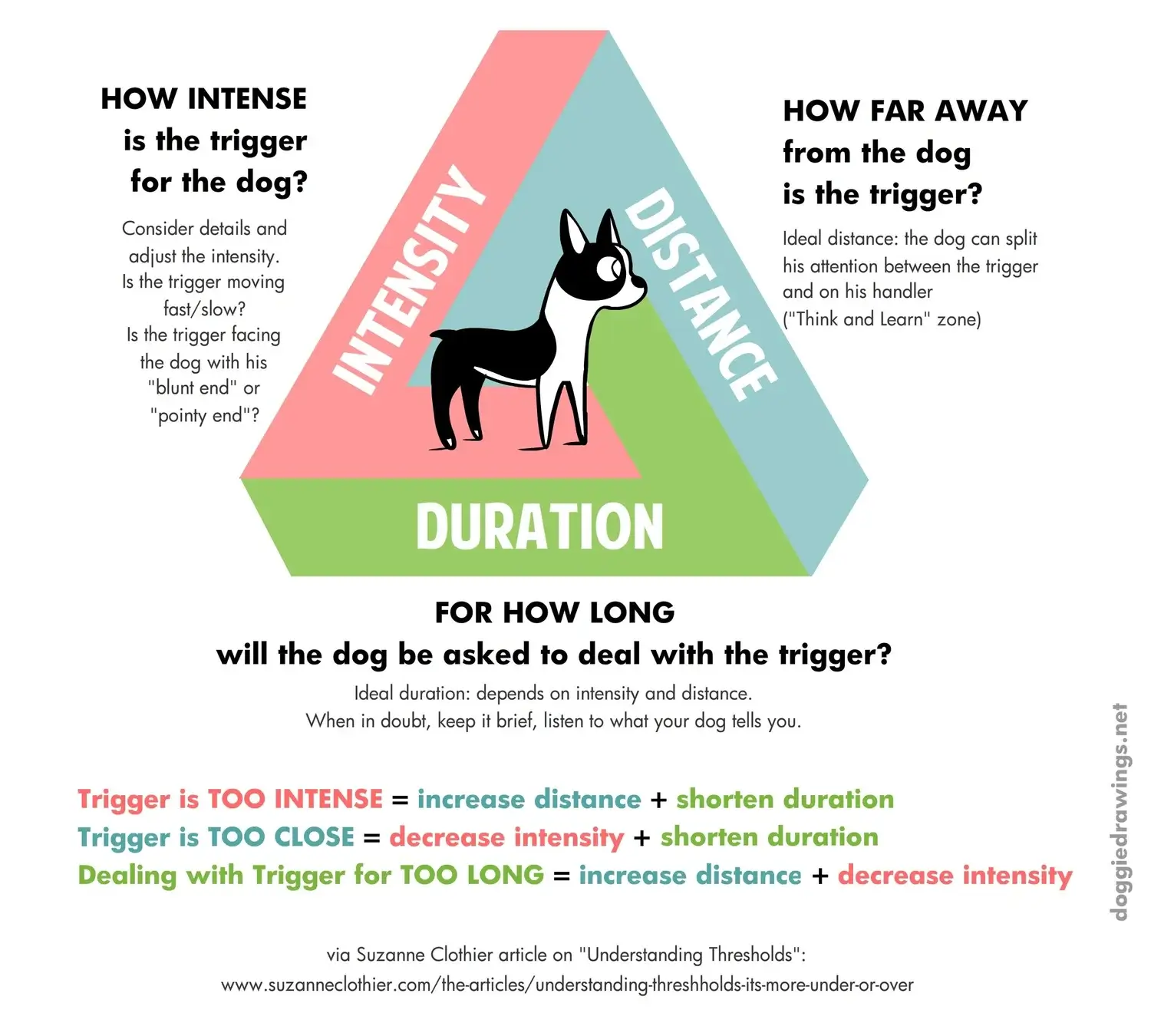
During bath time, reactive dogs may exhibit specific behavior patterns that serve as warning signs of escalating stress. For example, they might become increasingly tense, attempt to bite or nip, or try to back away from the water. Understanding these patterns enables you to intervene early, preventing the situation from worsening. A key aspect of this process is distinguishing between normal curiosity or mild discomfort and genuine signs of distress that require immediate attention.
Furthermore, reactive dogs often display a range of behavioral cues before and during bath time. These cues include lip licking, yawning, lip licking, avoiding eye contact, trembling, or overly stiff body posture. Recognizing these signs as part of a pattern can help you anticipate your dog’s reactions and tailor your approach accordingly. The goal is to foster trust and safety, transforming bath time from a source of fear into a manageable, even positive, routine.
Common Physical and Environmental Bath Time Triggers in Reactive Dogs
Understanding the typical triggers that provoke a reactive response during baths can make all the difference in managing your dog’s behavior. Many reactive dogs are sensitive to specific physical sensations or environmental factors that they associate with discomfort or threat. Identifying these can help you modify your approach or environment to reduce stress.
Physical triggers often include the sensation of water on their skin, the sound of running water, or the feeling of soap or shampoo. Some dogs are particularly sensitive to the temperature of the water, finding hot or cold water startling or uncomfortable. The contact of brushes, sponges, or towels on their body can also be triggers, especially if they’ve had negative experiences in the past. Additionally, confinement in a tub or bathing area might trigger anxiety if your dog perceives it as restrictive or threatening.
Environmental triggers include the presence of unfamiliar scents, sounds, or sights in the bathing area. For instance, a loud drain noise, the unfamiliar aroma of cleaning products, or the sight of grooming tools can serve as stressors. The environment’s overall chaos—such as loud voices, other pets, or a cluttered space—can heighten your dog’s reactivity, making it harder for them to remain calm. Recognizing these triggers allows you to create a more controlled and soothing space for bathing.
Recognizing Behavioral Signs and Physical Cues Indicating Discomfort or Stress
Being able to read your dog’s subtle cues is vital in managing their stress during bath time. Recognizing signs of discomfort early gives you a chance to adjust your approach before your dog becomes overwhelmed or reactive. These cues often include a combination of physical signals and behavioral changes that, once understood, can serve as early warning indicators.
Physical cues of stress or discomfort include lip licking, yawning (which dogs often do when anxious), trembling, stiff body posture, ears pinned back, or avoiding eye contact. Some dogs may also show dilated pupils or a tucked tail. These signs are often subtle but, when observed consistently, clearly indicate that your dog is feeling uneasy. Spotting these cues early enables you to pause, reassure, or modify your handling to prevent escalation.
Behavioral signs may manifest as attempts to escape or avoid the bath area, growling, snapping, or barking. Some dogs might try to nibble or bite at your hands, especially if they feel trapped or threatened. Others may freeze in place or suddenly become hypervigilant, scanning the environment. Paying attention to these signals helps you gauge their emotional state and decide whether to proceed, offer a break, or change your techniques. Remember, patience and gentle reassurance are often key in helping your dog feel safe during bath time.
Strategies for Monitoring and Identifying Personal Triggers During Bathing Sessions
Monitoring your reactive dog closely during baths is essential for identifying specific triggers unique to your pet. Developing a systematic approach helps you recognize patterns and adjust your methods accordingly. Keep a journal or mental checklist to track behaviors, environmental factors, and your dog’s responses to specific stimuli during each bath.
Begin by observing your dog’s baseline behavior before starting the bath. Notice their body language, mood, and overall stress level. During the session, pay attention to subtle cues such as increased lip licking, shifting weight, or tense muscles. Use a gentle, calm voice and maintain a relaxed posture yourself, as dogs often pick up on human cues as well. If your dog begins to exhibit signs of stress, note the specific moment or stimulus—was it the water temperature, a certain sound, or the proximity of grooming tools? These observations will help you pinpoint precise triggers.
In addition, consider recording each bath session with video to observe reactions you might not notice in real-time. Over multiple sessions, patterns will emerge, revealing triggers you may not have initially suspected. For example, your dog might react negatively to the sound of the drain, or become distressed when shampoo is applied near their face. Recognizing these triggers allows you to plan targeted desensitization strategies, gradually acclimating your dog to specific stimuli.
Implementing Preventative Measures and Desensitization Techniques to Minimize Triggers
Once you’ve identified your dog’s specific triggers, implementing preventative measures can significantly reduce their reactivity during baths. Creating a calm, predictable environment is crucial. This might involve using non-slip mats for safety, warming the bathing area, or playing soothing music to mask startling sounds. Additionally, using positive reinforcement—treats, praise, or favorite toys—helps your dog associate bath time with rewarding experiences rather than stress.
Gradual desensitization is one of the most effective techniques for minimizing triggers. This process involves slowly exposing your dog to the specific stimuli that cause stress in controlled, manageable steps. For instance, if your dog is reactive to water, start by introducing them to the sound of running water without actually getting wet. Gradually progress to splashing water near their paws, then gradually increase until they tolerate water on their body. The key is to go at your dog’s pace, ensuring each step is met with positive reinforcement and success before moving forward.
Behavioral modification strategies also include counter-conditioning—pairing the previously stressful stimulus with something positive. For example, offering treats whenever your dog hears running water or sees the bathing area can change their emotional response from fear to anticipation of good things. Over time, this reduces their overall reactivity and fosters a more relaxed attitude toward bath time. Consistency, patience, and gentle handling are essential components of these techniques. Remember, progress might be slow, but with persistence, you’ll help your reactive dog build confidence and comfort during baths.
Conclusion
Recognizing bath time triggers in reactive dogs is a vital step toward ensuring a safer, calmer experience for your pet. By understanding your dog’s unique behavior patterns, common physical and environmental triggers, and subtle cues of stress, you can proactively prevent reactions and create a positive routine. Monitoring your dog closely during each session, keeping detailed observations, and applying targeted desensitization techniques will gradually diminish their reactivity.
Changing a reactive dog’s perception of bath time requires patience and consistency, but it’s entirely achievable with a compassionate approach. Remember that every dog is different, and what triggers one might not affect another. The key lies in attentive observation, gentle handling, and positive reinforcement. With these strategies, you’ll not only recognize your dog’s triggers but also help them develop greater confidence and trust, turning bath time into a less stressful, more manageable part of their life.