


How to Safely Wash Your Dog During Her First Heat Cycle
Bringing home a new puppy or caring for a female dog during her heat cycle can be an exciting time, but it also introduces new challenges—especially when it comes to grooming. One common concern among dog owners is how to properly bathe their dog during her first heat, when hormonal changes, bleeding, and increased sensitivity make grooming more delicate. The good news is, with the right knowledge and gentle approach, you can keep your dog clean, comfortable, and safe during this time. This article will walk you through understanding the unique challenges, preparing properly, and following a step-by-step guide to ensure your dog’s hygiene needs are met without causing stress or discomfort.
Understanding the Challenges of Washing a Dog During the First Heat Cycle
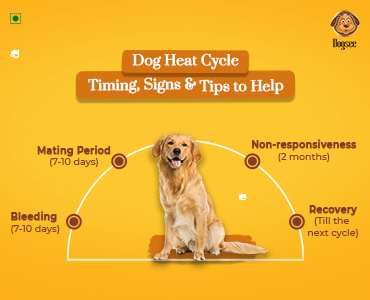
The first heat cycle, or estrus, typically occurs between six months and two years of age depending on the breed and individual dog. During this period, hormonal fluctuations lead to vaginal bleeding, swelling, and increased sensitivity. These physical changes make grooming more complicated and require a gentle, cautious approach. For many dogs, the presence of blood and increased vaginal discharge can make bathing seem unappealing or uncomfortable, especially if they are already feeling vulnerable.
Another challenge is the risk of infections or irritations. The heat cycle increases blood flow to the reproductive organs, making them more prone to irritation or bacterial infections if not kept clean. However, excessive bathing can also strip natural oils, leading to dry skin and discomfort. Therefore, understanding when and how to wash your dog during her heat cycle is crucial. It’s important to strike a balance between maintaining hygiene and respecting her comfort levels, all while avoiding unnecessary stress or injury.
Behavioral changes are also common during heat. Many dogs become more anxious, clingy, or irritable, which can make grooming sessions more difficult. Recognizing these behaviors and preparing accordingly can help you create a more positive experience. Patience and a gentle approach are key, and sometimes, it might be better to opt for less invasive cleaning methods on the most sensitive days. Knowing how to navigate these challenges will enable you to keep your dog clean without causing discomfort or health issues.
Preparing Your Dog and Supplies for a Safe and Effective Bath
Preparation is the foundation of a successful and safe bathing experience, especially during your dog’s first heat cycle. Start by gathering all necessary supplies ahead of time: a gentle dog shampoo designed for sensitive skin, soft towels, a non-slip mat, a spray bottle or gentle rinse attachment, and plenty of treats for positive reinforcement. Using the right products is essential; avoid harsh shampoos, fragrances, or anything that could irritate her skin or vaginal area. Choose a warm, quiet space where she feels secure, such as the bathroom or a designated grooming area.
Before bathing, take some time to brush your dog gently. This helps remove loose hair, dirt, and blood discharge, reducing the amount of bathing needed. It also prevents matting and tangling—important for dogs in heat who may shed more or have increased discharge. Check her ears, paws, and nails—keeping these well-maintained can reduce discomfort during bathing. Additionally, consider trimming the hair around her genital area to minimize mess and facilitate cleaning, but only if she’s comfortable with grooming. Always handle your dog gently and speak soothingly to reassure her.
Safety is paramount when preparing for a bath during her heat. Make sure the bathing area is secure—close doors and windows to prevent her from escaping or wandering outside. Keep her calm and relaxed with a familiar blanket or toy, and introduce the bathing routine gradually if she’s nervous. Never leave her unattended in water, and monitor her closely for signs of discomfort or distress. Ensuring a calm, well-prepared environment not only makes the process safer but also helps your dog associate baths with positive experiences, which is vital during her sensitive heat period.
Step-by-Step Guide to Washing Your Dog During Heat
A gentle, methodical approach is essential for bathing your dog during her heat cycle. Start by placing a non-slip mat in the tub or bathing area to prevent slipping and to help her feel more secure. Use lukewarm water rather than hot or cold, as extreme temperatures can cause discomfort or stress. Begin by wetting her coat gently, avoiding direct contact with her genital area, and focus on cleaning the body first. Use a small amount of mild dog shampoo, lathering softly while being careful around the irritated or sensitive areas.
When cleaning her genital area, use a damp washcloth or a soft, unscented wipe designed for dogs. Gently clean around the vulva and the surrounding fur, but avoid harsh scrubbing or inserting anything into her vagina. Be especially cautious if she’s bleeding—use a more frequent change of towels or wipes to keep her dry and comfortable. Rinse thoroughly to remove all soap residue, which can cause irritation if left on the skin. During the rinse, ensure water flows gently and avoids any direct spray on her sensitive areas.
After washing, carefully pat her dry with a soft towel. Avoid vigorous rubbing, which can cause irritation or discomfort. If she tolerates it, you can use a hairdryer on a low, cool setting to help her dry faster, but only if she’s accustomed to the noise and handling. Throughout the process, speak softly and offer treats to keep her relaxed. Ending the bath on a positive note, with cuddles or play, reinforces a good grooming experience. Remember, during her first heat, keeping the process calm and gentle minimizes stress and protects her delicate skin.
Tips for Managing Discomfort and Ensuring Comfort During Bathing
Your dog’s comfort during her heat cycle is essential, as this is a time when she may feel more vulnerable and sensitive. First, pay attention to her body language—if she shows signs of anxiety or discomfort, such as trembling, pulling away, or whimpering, pause the bath and give her a break. Use calming techniques like gentle strokes, soothing voice, and distraction with treats or her favorite toy. Consider bathing her in a familiar space with comforting items to reduce anxiety and make the process more familiar and less intimidating.
Managing discomfort also involves respecting her boundaries. If she is particularly sensitive or irritable, try to keep baths brief and avoid overwhelming her with too many procedures at once. For dogs in heat, it’s often better to do a quick sponge bath or spot clean rather than a full bath every time. Using warm, damp cloths or wipes can effectively clean her without causing stress. Additionally, always be gentle around her sensitive areas, and never force her into a bath if she’s resisting strongly. Patience and kindness go a long way during this delicate time.
Lastly, monitor her for signs of skin irritation, redness, or swelling, which can indicate discomfort or infection. If you notice any redness, swelling, or unusual discharge that persists, consult your veterinarian promptly. Ensuring her comfort during bathing not only keeps her clean but also strengthens your bond and reassures her that grooming can be a safe, positive experience—even during her first heat cycle. Remember, every dog is unique; some may tolerate bathing well, while others may need a more cautious approach.
Post-Bath Care and Hygiene Maintenance for Dogs in Heat
After bathing, proper post-care is essential to keep your dog comfortable and hygienic throughout her heat cycle. Continue to keep her dry and clean by regularly inspecting her and wiping her with damp cloths or specific dog wipes designed for sensitive skin. Change her bedding frequently to prevent the buildup of blood or discharge, which can cause odors or skin irritation. Using disposable or washable pads or towels underneath her can help protect furniture and your floors, making cleanup easier.
Keeping her genital area clean is critical during her heat. Gently pat her dry after baths and avoid leaving moisture on her skin, which can promote bacterial growth. If she’s prone to excessive discharge, consider trimming the fur around her genital area to facilitate quicker drying and easier cleaning. Regularly check her for signs of discomfort, swelling, or unusual odor, and alert your veterinarian if anything seems abnormal. Maintaining good hygiene during this period helps prevent infections and keeps her feeling comfortable and clean.
In addition, prioritize her overall comfort by providing her with a quiet, comfortable resting area. Use soft bedding and keep her away from male dogs or other pets that might be curious or stressed by her condition. Maintain a consistent routine, including gentle grooming, feeding, and exercise as tolerated. Proper hygiene and attentive care during her heat cycle ensure she remains healthy, comfortable, and less prone to complications. Remember, this is a temporary but important phase that requires patience, dedication, and gentle care.
When to Consult a Veterinarian About Grooming During Your Dog’s Heat Cycle
While basic grooming during her heat cycle is manageable at home, there are specific circumstances when veterinary advice is essential. If your dog shows signs of excessive discomfort, pain, or if you notice unusual swelling, bleeding, or foul odor, it’s time to consult your veterinarian. These could indicate infections or other health issues that require professional treatment. Your vet can also recommend safe grooming practices or prescribe medicated wipes or ointments if needed.
Additionally, if your dog is pregnant, has underlying health conditions, or if her heat cycle is unusually prolonged or irregular, professional guidance becomes even more important. Some dogs may need special grooming routines or medications to manage discomfort. In cases where grooming becomes too stressful for your dog, or if she develops skin irritations or infections, a veterinarian can suggest alternative hygiene methods or provide sedation options if necessary. Always prioritize her health and comfort over routine grooming routines during sensitive periods.
Lastly, consult your veterinarian if you’re unsure about the safest grooming products or techniques to use during her heat. They can provide tailored advice based on her breed, age, health status, and specific needs. Remember, your vet is an invaluable resource for navigating your dog’s first heat cycle safely and comfortably, helping to ensure her overall well-being during this transitional time.
In Summary
Caring for your dog during her first heat cycle involves understanding her unique needs, preparing appropriately, and approaching bathing with patience and gentleness. Proper hygiene is essential for her health and comfort, but it requires balancing cleanliness with respect for her sensitivity. Using gentle products, maintaining a calm environment, and closely monitoring her well-being will help make the experience positive for both of you. Don’t hesitate to seek advice from your veterinarian if unusual symptoms arise or if you’re unsure about any aspect of grooming during her heat. With thoughtful care and attention, you can keep your beloved dog clean, comfortable, and loved during this natural phase of her life.