


How to Bathe Your Dog After Being Sprayed with Perfume: Tips & Safety
Imagine this: your dog is happily playing in the backyard when suddenly, they come into contact with a splash of perfume—either from you accidentally spraying too much, a curious pet exploring your vanity, or perhaps someone nearby spritzed perfume unknowingly. While perfume might smell lovely to us, it’s not meant for dogs, and exposure can cause discomfort, irritation, or even health issues. Knowing how to properly respond—especially how to bathe your dog safely—is crucial to ensure your furry friend’s well-being and comfort.
In this article, we’ll guide you through the essential steps to effectively bathe your dog after being sprayed with perfume. From assessing the level of exposure to handling sensitive skin, and finally neutralizing lingering odors, this comprehensive guide aims to help you act swiftly and safely. Whether you’re a seasoned pet parent or new to dog care, understanding these steps will help you manage perfume spills effectively and keep your dog happy and healthy.
Assessing the Extent of Perfume Exposure and Immediate Safety Measures
The first step in managing your dog after perfume exposure is to assess how much perfume has come into contact with your pet and whether immediate safety measures are needed. If the perfume was only lightly splashed or sprayed on fur, chances are the risk is minimal, but a thorough evaluation is still necessary. On the other hand, if your dog has ingested perfume, experienced skin reactions, or if a large amount was spilled directly into their eyes or mouth, urgent action is required.
Start by visually inspecting your dog’s fur, skin, eyes, and mouth. Look for signs of irritation such as redness, swelling, or excessive scratching. If your dog shows signs of distress like drooling, vomiting, or difficulty breathing, seek emergency veterinary care immediately. Perfumes contain alcohol, synthetic fragrances, and chemicals that can be toxic or irritating, especially if ingested or if they come into direct contact with sensitive areas like eyes or mucous membranes.
As a safety precaution, gently wipe your dog’s eyes with a clean, damp cloth if any perfume has come into contact with them. If you notice any swelling, redness, or signs of discomfort, contact your veterinarian for advice. Do not attempt to induce vomiting or give your dog any home remedies unless explicitly instructed by a professional. Promptly removing perfume residues and monitoring your dog’s reaction can prevent more serious health issues.
Preparing Your Dog for a Bath and Gathering Necessary Supplies
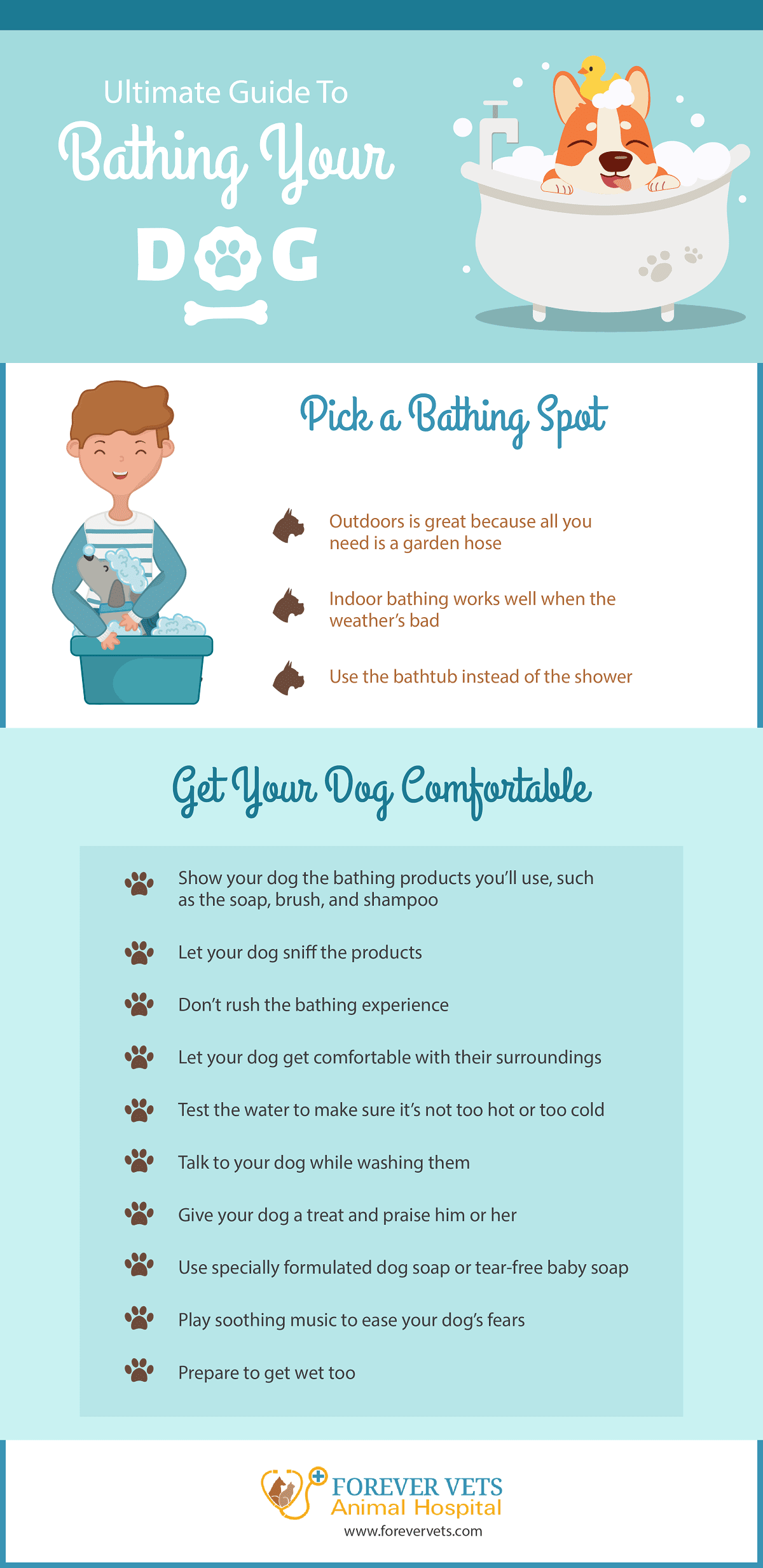
Before starting the bathing process, it’s important to prepare both yourself and your dog to ensure a smooth, stress-free experience. Gather all necessary supplies beforehand so that everything is within reach and you don’t have to leave your dog unattended during the bath. Essential items include a gentle dog shampoo, lukewarm water, soft towels, a washcloth, and possibly a detangling spray if your dog’s fur is long or prone to matting.
Creating a calm environment can help ease your dog’s anxiety. Talk softly, use reassuring tones, and consider offering treats or a favorite toy to keep your pet relaxed. Make sure the bathing area is non-slip—using a rubber mat in the sink or bathtub can prevent slipping and make your dog feel secure. If your dog tends to be anxious about baths, introducing the process gradually by getting them accustomed to wetness and handling can make the experience less stressful.
Choose a dog-specific shampoo with gentle, skin-friendly ingredients—avoid human shampoos or harsh chemicals that can further irritate sensitive skin. If your dog has sensitive skin or allergies, consult your veterinarian beforehand for recommendations on suitable bathing products. Also, prepare a towel or two for drying, as well as a clean, dry space where your dog can rest comfortably post-bath. Proper preparation minimizes chaos during bathing and ensures your dog’s safety and comfort.
Step-by-Step Guide to Effectively Washing Out Perfume and Odors
Now that everything is set, it’s time to begin the bathing process to remove perfume and neutralize odors. Start by gently wetting your dog’s fur with lukewarm water, avoiding the face and eyes initially. Use a cup or handheld showerhead if available, to control water flow and prevent accidental splashes into sensitive areas. Be cautious not to use water that’s too hot or cold, as extreme temperatures can cause discomfort.
Apply a generous amount of dog shampoo, focusing on areas where the perfume was initially sprayed. Work the shampoo into the coat with gentle massaging motions, ensuring you reach the skin and all fur layers. For stubborn perfume stains or lingering odors, consider using a mild enzymatic odor remover designed for pet use—these break down odor molecules without irritating skin. Rinse thoroughly to remove all soap and fragrance residues, as leftover chemicals can cause irritation or dry out the skin.
Pay special attention to areas like the neck, underarms, and paws where perfume is more likely to stick. Repeat the washing process if you suspect any perfume residue remains, especially in thick or long fur. Once thoroughly rinsed, gently squeeze out excess water, then wrap your dog in a clean towel to start the drying process. Using a blow dryer on a low, cool setting is optional but only if your dog tolerates it—otherwise, air drying in a warm, draft-free environment is best. Properly washing out perfume not only eliminates bad odors but also helps prevent potential skin irritation.
Handling Sensitive Skin and Preventing Irritation During Bathing
Dogs with sensitive skin require extra care during the bathing process to prevent irritation and allergic reactions. Many perfumes contain synthetic fragrances and alcohols that can trigger skin sensitivities, especially in dogs predisposed to allergies or skin conditions. To minimize irritation, opt for hypoallergenic, fragrance-free shampoos formulated specifically for dogs with sensitive skin. Always test new products on a small patch of skin first to check for adverse reactions.
When bathing your dog, avoid aggressive scrubbing—use gentle, circular motions that clean without damaging the skin’s natural barrier. Pay attention to areas prone to irritation, such as the belly, groin, and paws, as these are often more sensitive. Rinse thoroughly to ensure no shampoo or perfume residues remain, as leftover chemicals can cause itching, redness, or dryness. After the bath, consider applying a soothing dog-safe moisturizer or conditioner designed for sensitive skin to help maintain skin health.
Post-bath, monitor your dog closely for signs of irritation, such as excessive scratching, redness, or swelling. If any symptoms appear, consult your veterinarian promptly. Additionally, avoid using human skincare products or shampoos with harsh additives, as these can exacerbate skin sensitivities. Taking gentle, cautious steps during bathing ensures your dog remains comfortable and avoids unnecessary skin issues.
Post-Bath Care and Odor Neutralization Tips for a Fresh, Clean Dog
After a thorough bath, proper post-bath care is essential to keep your dog smelling fresh and feeling comfortable. Carefully dry your dog with soft towels, patting gently rather than rubbing, especially if your dog has sensitive or irritated skin. For long-haired breeds, using a blow dryer on a cool setting can help prevent matting and speed up the drying process, but always ensure it’s at a safe distance and not too hot. Once dry, brush your dog’s coat to remove loose fur, prevent matting, and distribute natural oils, which can also help with odor control.
To further neutralize lingering odors after bathing, you can use natural deodorizing sprays formulated for dogs or sprinkle a small amount of baking soda onto their coat before brushing it out. Baking soda is known for its odor-absorbing properties and helps keep your dog smelling fresh between baths. Additionally, maintaining regular grooming routines and using high-quality dog shampoos can reduce the buildup of odors caused by external factors, such as environmental smells or trapped dirt.
Finally, reward your dog with treats and praise for their patience during the bath. Keeping your dog comfortable and relaxed post-bath encourages positive associations with grooming and makes future baths easier. Regular bathing, combined with good hygiene practices and a clean environment, will help your dog stay fresh and odor-free, even after accidental perfume exposure. Remember, consistency and gentle handling are key to maintaining your dog’s health and happiness.
Conclusion
Accidents happen, and if your dog gets sprayed with perfume, knowing how to respond quickly and safely is crucial. By carefully assessing the situation, preparing for a gentle and effective bath, and paying attention to your dog’s skin and comfort, you can remove unwanted odors without causing irritation. Post-bath care, including thorough drying and odor neutralization, helps keep your furry friend fresh and happy. Always prioritize your dog’s safety by choosing appropriate grooming products and consulting your veterinarian if any signs of irritation or health concerns arise. With patience and proper care, you can turn a stressful situation into an opportunity to reinforce your bond and ensure your dog’s well-being—because their comfort and health are always worth it.