


How to Wash Your Dog Without Wetting Their Head: Easy Tips and Tricks
Bathing your dog is an essential part of grooming and maintaining their health and hygiene. However, many dog owners face a common challenge: how to keep your dog’s head dry while thoroughly washing the body. Whether your pup dislikes water on their face or you want to avoid accidents that could cause discomfort or stress, learning effective techniques can make bath time safer, easier, and more pleasant for both of you. In this article, we’ll explore practical, step-by-step methods to wash your dog without wetting their head, covering everything from preparation to post-bath care.
By understanding these strategies, you’ll be able to keep your dog comfortable and stress-free during baths, reduce messes, and ensure a more efficient grooming session.
Preparing for a Gentle Dog Bath Without Wetting the Head
Preparation is key when it comes to washing your dog without getting their head wet. First and foremost, consider your dog’s temperament and preferences—some dogs are more tolerant of water, while others may be anxious or resistant. Creating a calm, positive environment helps reduce stress. Gather all your supplies beforehand, including towels, a gentle dog shampoo, a spray bottle, and protective gear like a bib or cape, so the process goes smoothly without unnecessary interruptions.
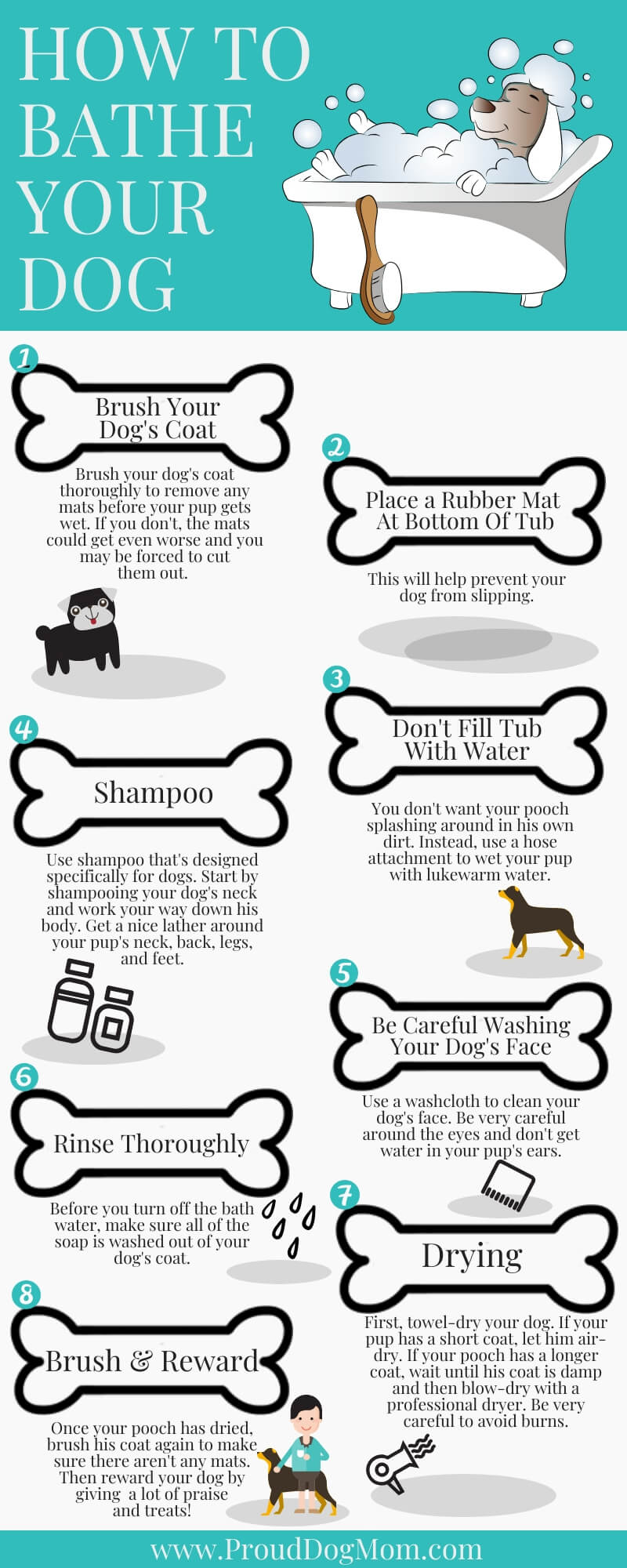
Next, choose an appropriate bathing location. A bathtub, a walk-in shower, or a designated dog washing station can work well. Use non-slip mats to prevent slipping and ensure your dog feels secure. If possible, bathe your dog in a warm, draft-free area to keep them comfortable. Before starting, brush your dog thoroughly to remove loose hair, mats, and dirt—this minimizes the amount of water needed and helps prevent tangling or discomfort during the bath.
Finally, set clear boundaries and plan your approach. Decide whether you’ll wash the dog in sections or all at once. Many owners find that working with a calm, gentle attitude, and using treats or praise, helps establish trust. When you’re ready, have your water source at a comfortable temperature (lukewarm, not hot or cold) and keep the water flow gentle to avoid startling your dog. Proper preparation sets the stage for a successful bath without wetting the head.
Using Protective Equipment and Bathing Techniques to Keep the Head Dry
Protection during bath time isn’t just about keeping your dog dry; it’s also about making the process safer and more comfortable. A practical tool is a waterproof bib, cape, or apron that covers your dog’s neck and chest. These can be purchased from pet stores or made at home with waterproof fabric. The bib effectively blocks water from dripping onto the face or head area, especially when combined with controlled water flow.
Another effective technique involves positioning your dog in a way that minimizes water reaching their head. For example, place your dog on a raised surface or in a tub with low sides, so you can access the body easily while controlling water spray. Using a handheld showerhead or a gentle spray nozzle enables precise control of water direction. Keep the stream directed downward and away from the face, and avoid spraying directly at the head, ears, or eyes.
In addition, employing bathing techniques like pouring water carefully or using a damp cloth for cleaning specific areas can significantly reduce the risk of wetting the head. For example, instead of rinsing the entire body with a spray, use a sponge or washcloth to apply water and shampoo to the body, carefully avoiding the face. These methods help keep the head dry while still ensuring a thorough clean.
Applying Water-Resistant Barriers to Prevent Head Wetness During Washing
Creating a physical barrier between your dog’s head and the water stream is an effective way to keep the head dry during bath time. One popular method involves using a waterproof dog bathing cape or towel draped around the neck. These accessories are designed to shed water away from the face and help prevent accidental splashes.
Another simple trick is to use a large, damp washcloth or sponge to clean the face and head area separately. This approach allows you to maintain control over the water contact, focusing only on the body. You can also employ a pet-friendly water-resistant spray or barrier cream on the face before bathing. While primarily used for skincare, these products can provide an added layer of protection, reducing water penetration.
In more advanced cases, some owners opt for a custom-fit dog bathing hood or cap made from waterproof material. This head covering prevents water from reaching the face while allowing ventilation and comfort. When applying any barrier, make sure it doesn’t cause overheating or discomfort. The goal is to create a protective shield that keeps water away from sensitive areas without stressing your dog.
Step-by-Step Guidance for Washing the Body While Keeping the Head Dry
Here’s a practical, step-by-step process to wash your dog’s body without getting their head wet:
-
Position your dog securely: Place your dog on a non-slip surface or in a tub, and use treats and praise to keep them calm. Secure the leash if needed to prevent sudden movements.
-
Apply a water-resistant barrier: If you’re using a bib, cape, or head cover, put it on now to shield the head.
-
Start with the body: Use a handheld spray or sponge dipped in lukewarm water and mild dog shampoo. Gently wash the body, starting from the neck down to the tail. Keep the water directed downward and away from the face.
-
Focus on one section at a time: Use a clean cloth or sponge for smaller areas or sensitive spots, ensuring you control the water flow and prevent splashes towards the head.
-
Rinse thoroughly: Carefully rinse the shampoo from the body, maintaining control over water direction. You can use a damp cloth or sponge for rinsing tricky areas, avoiding the head.
-
Dry as you go: Use a dry towel to pat your dog’s body dry after rinsing each section. This minimizes water dripping and makes the drying process easier later.
-
Check for cleanliness: Once the body is clean, remove the protective barrier, and inspect for any missed spots. Make sure your dog is comfortable and relaxed before proceeding to drying.
Following these steps ensures a thorough clean while keeping your dog’s head dry, reducing stress and mess during bath time.
Drying and Post-Bath Care to Maintain Comfort and Cleanliness
After washing, proper drying and post-bath care are essential for your dog’s comfort and health. Use a soft, absorbent towel to gently pat your dog dry, starting from the head and working downward. If your dog tolerates it, a blow dryer on a low, cool setting can accelerate drying, but always keep the nozzle moving and maintain a safe distance to prevent burns or discomfort.
It’s important to keep your dog warm during the drying process, especially in colder environments. Consider wrapping them in a warm towel or blanket if they seem chilly. Additionally, inspect your dog’s ears, eyes, and nose for signs of irritation or residual water. Carefully dry the ears with a cotton ball or soft cloth, and avoid inserting anything deep into the ear canal.
Finally, reward your dog with praise, treats, or playtime to reinforce positive associations with bath time. Regular grooming and bathing sessions, combined with these techniques for keeping the head dry, will help your dog stay clean, comfortable, and stress-free. Remember that patience and gentle handling are key—your dog will appreciate your effort to make bath time a better experience.
In Conclusion
Washing your dog without wetting their head is entirely achievable with the right preparation, techniques, and protective measures. By selecting the appropriate location, using protective equipment like waterproof bibs and barriers, and employing careful bathing methods, you can keep your dog comfortable and stress-free while ensuring a thorough clean. Proper post-bath care further enhances the experience, promoting healthy skin and a happy pup.
Remember, consistency and gentleness are your best tools. Practice these tips regularly, and your dog will come to associate bath time with comfort and care rather than stress. With patience and the right approach, keeping your dog clean and dry—especially around the head—can become a simple, pleasant routine for you both.