


How to Quickly Cool Down Your Overheated Dog: Expert Tips and Tricks
If you’re a dog owner, you know how much our furry friends love outdoor adventures, playtime, and soaking up the sun. But, with these joyful activities comes the risk of overheating, especially during hot summer months or in warm climates. Overheating can be serious and even life-threatening for dogs, leading to heatstroke if not addressed promptly. This article will guide you through recognizing the signs of overheating, preparing the right tools, and executing effective cooling techniques to quickly bring your overheated dog back to a safe temperature. Whether you’re caught off guard during a walk or at home on a hot day, these expert tips can make all the difference in your dog’s health and safety.
Recognizing Signs of Overheating in Dogs and Assessing the Situation
Understanding when your dog is overheated is the first crucial step to preventing a medical emergency. Unlike humans, dogs don’t sweat through their skin to cool down; instead, they pant to regulate body temperature. When they’re overheating, their panting becomes rapid and labored, and other symptoms may appear. Recognizing these early signs allows you to act quickly and prevent progression to heatstroke.
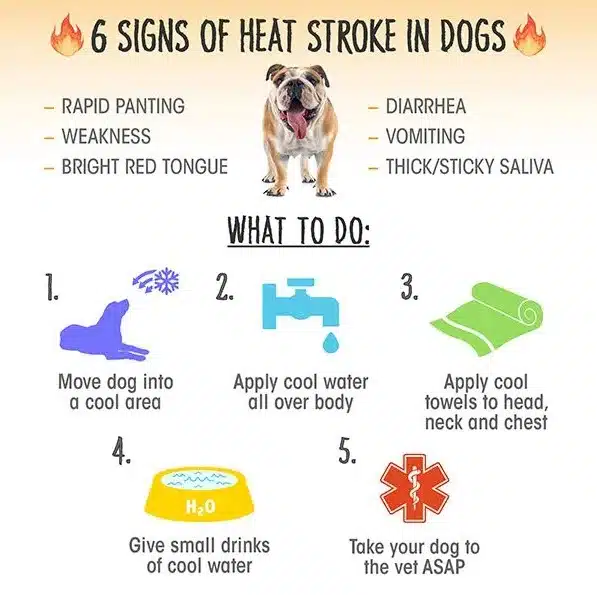
Common signs of overheating include excessive panting, drooling, reddening of the gums and tongue, rapid heartbeat, weakness, and disorientation. You might also notice your dog seeking shade or trying to lie down. In severe cases, your dog may exhibit vomiting, diarrhea, seizures, or collapse—these are urgent signs that require immediate medical attention. Always assess your dog’s environment: Are they exposed to direct sunlight for long periods? Are they exhausted from vigorous activity? These factors can increase the risk of overheating.
When you spot early warning signs, your first step should be to move your dog to a cooler, shaded area. Avoid forcing your dog to continue activity or giving them cold water immediately, as sudden temperature changes can cause additional stress or shock. Instead, calmly evaluate their condition and prepare to implement cooling measures, especially if they’re showing signs of heat distress. Remember, quick action is essential—timing can be the difference between a minor incident and a life-threatening emergency.
Preparing the Right Supplies and Setting Up a Cool Rinse Area
Before you start cooling your overheated dog, gather all necessary supplies to make the process efficient and safe. Having these items ready beforehand can save precious minutes when your dog needs immediate help. The essentials include a garden hose or a large basin filled with lukewarm or cool water, a spray bottle, and a fan if available. Avoid using ice-cold water or ice packs directly on your dog’s skin, as extremely cold temperatures can cause vasoconstriction, which hampers heat loss and may lead to shock.
Set up an accessible and safe area where you can comfortably wet your dog without causing additional stress. A shaded spot outdoors or a cool, tiled floor indoors works well. If outdoors, position your hose or basin nearby, and if indoors, lay down towels to catch excess water and keep the area clean. If your dog is large or strong, consider enlisting help to ensure they remain steady during the cooling process. Having a towel or blanket on hand can also be useful for wrapping or drying your dog afterward.
Finally, prepare your dog’s environment to support gradual cooling. Close windows or curtains to reduce heat gain, turn on fans if available, and create a calm atmosphere that minimizes further stress. By organizing your supplies and setting up a designated cooling zone beforehand, you’re ready to act swiftly and effectively at the first sign of overheating. Remember, the goal is to lower your dog’s body temperature safely and gradually without causing additional shock.
Step-by-Step Guide to Giving a Quick Rinse to Cool Down an Overheated Dog
Once you’ve identified the signs of overheating and prepared your supplies, it’s time to execute a step-by-step cooling process. The key is to lower your dog’s body temperature gradually using lukewarm, not cold, water to prevent shock. Start by calmly moving your dog to your prepared cool rinse area, ensuring they’re in a shaded or cool environment to support the cooling process.
Begin by gently spraying or pouring lukewarm water over your dog’s neck, chest, and belly—areas with major blood vessels close to the skin that facilitate heat dissipation. Use a spray bottle or a gentle shower from the hose, avoiding high-pressure streams that could frighten or hurt your dog. Focus on these core areas, as cooling the blood flow here will help lower overall body temperature more efficiently. Avoid pouring water directly into their ears, eyes, or nose to prevent discomfort or injury.
Continue wetting your dog’s body steadily, monitoring their behavior and physical signs throughout. Use a fan or hold a towel soaked in cool water against their body to enhance evaporation without making them cold or uncomfortable. Offer small sips of cool water, but do not force your dog to drink—sometimes, they may be too distressed or weak to swallow. Throughout this process, keep a close eye on their breathing, responsiveness, and temperature. If their condition improves and they start to show normal behavior, you can gradually transition to drying and resting in a cooler environment. If symptoms worsen or don’t improve, seek emergency veterinary care immediately.
Additional Cooling Techniques and Tips for Preventing Overheating in Dogs
Cooling your dog is a critical response, but prevention is equally important to avoid heat-related issues altogether. Incorporate several proactive measures into your routine, especially during hot weather. Providing ample shade in your yard, avoiding peak sun hours, and limiting vigorous activity during the hottest parts of the day can significantly reduce the risk of overheating.
Using cooling accessories like cooling mats, vests, and bandanas can help regulate your dog’s body temperature continuously. These items are designed to absorb and dissipate heat effectively, especially when used together with outdoor shade and water access. Also, ensure your dog always has access to fresh, cool water to stay hydrated—hydration plays a significant role in natural cooling. Regularly monitoring your dog’s weight, coat condition, and activity level can help you identify early signs of heat intolerance, enabling you to modify routines accordingly.
Finally, consider grooming practices that help reduce heat stress, such as trimming long hair or removing thick undercoat in summer months. Never shave your dog’s coat completely unless advised by your veterinarian, as a coat provides insulation against both heat and sunburn. Routine veterinary check-ups can also identify any underlying health issues that might impair your dog’s ability to regulate temperature. By adopting these preventive strategies, you can enjoy outdoor adventures with your dog while keeping them safe from the dangers of overheating.
Conclusion
Overheating in dogs is a common but serious concern that requires prompt and effective action. Recognizing the early signs—like rapid panting, excessive drooling, and disorientation—can help you intervene before the situation escalates. Preparing the right supplies and setting up a cool rinse area in advance ensures you’re ready to act swiftly when needed. Following a step-by-step cooling process involving lukewarm water, gentle spraying, and evaporation techniques can safely lower your dog’s body temperature and prevent heatstroke.
Furthermore, adopting preventive measures such as providing shade, hydration, and cool accessories can significantly reduce the risk of overheating. Remember, your quick response and proactive care not only help your dog stay comfortable but can also save lives. By staying vigilant and prepared, you’re ensuring your furry friend can enjoy the outdoors safely during hot weather. Keep these expert tips in mind, and always consult your veterinarian for personalized advice on your dog’s health and safety during summer or in warm climates.