


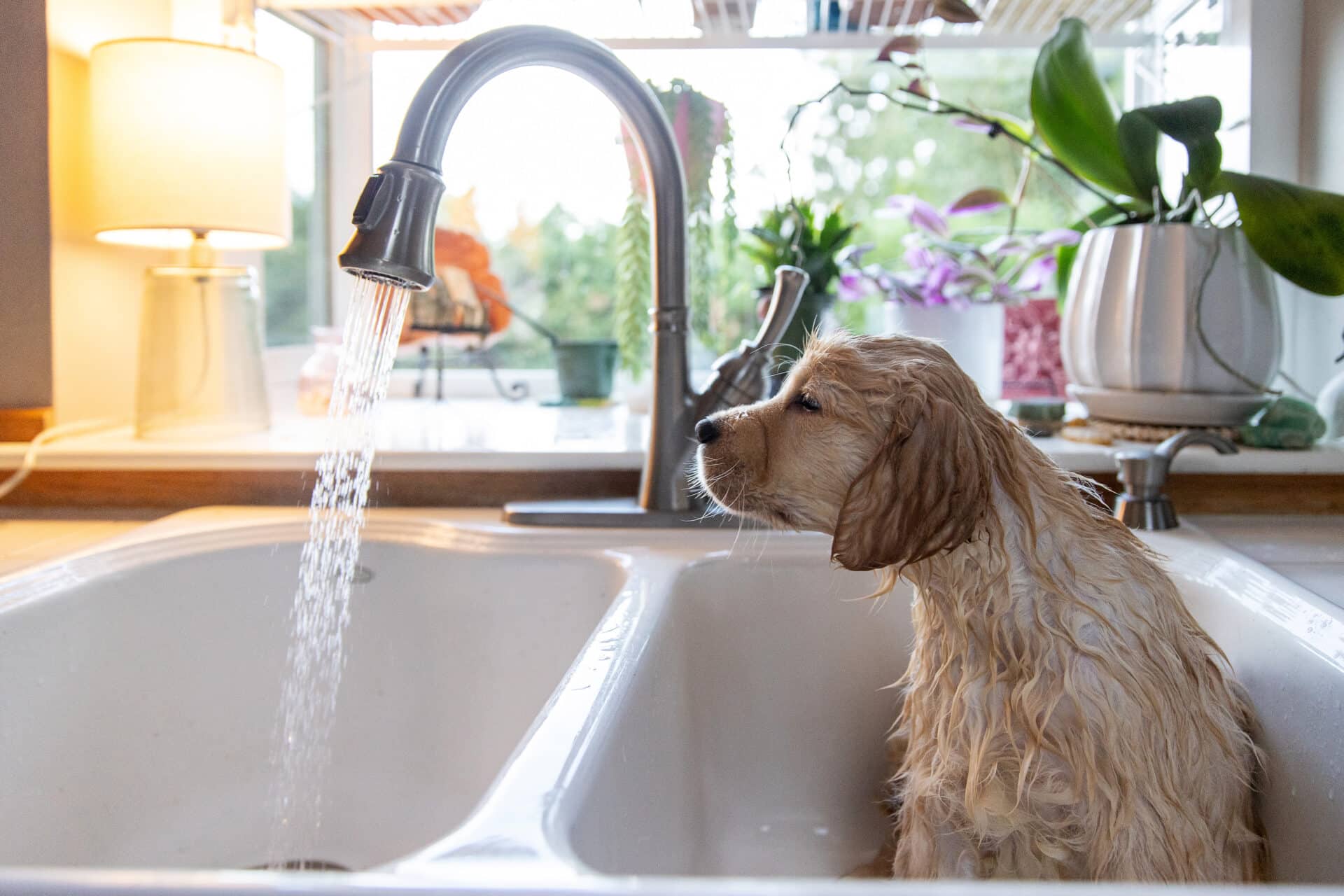
How to Bathe Your Dog in a Large Farm Sink: Easy Step-by-Step Guide
Giving your dog a bath is an essential part of pet care that keeps them clean, healthy, and happy. If you’re lucky enough to have a large farm sink in your home or barn, bathing your dog there can be a convenient and efficient solution—especially for bigger breeds or dogs that dislike traditional bathtubs. This guide will walk you through everything you need to know, from preparing the sink and gathering supplies to drying your pup and troubleshooting common issues. Whether you’re a seasoned pet owner or new to dog bathing, this step-by-step approach makes the process manageable, safe, and even enjoyable for both you and your furry friend.
Preparing the Farm Sink and Gathering Essential Bathing Supplies
Before you even turn on the faucet, preparing your large farm sink and ensuring you have all the necessary supplies at hand is crucial. A well-organized setup minimizes stress during the bath and helps prevent mishaps. Start by cleaning the sink thoroughly—removing any dirt, debris, or residual chemicals to avoid contaminating your dog’s coat or skin. Use a non-toxic cleaner safe for animals, and rinse thoroughly. This step keeps your dog’s skin safe from irritants that might be lurking in a dirty sink.
Next, gather all your bathing essentials to streamline the process. Essential supplies include dog-specific shampoo (preferably gentle and suited to your dog’s coat type), a cup or sprayer for rinsing, a washcloth or sponge, towels for drying, and a non-slip mat to prevent slipping inside the sink. You may also want to have treats on hand to reward good behavior and a brush to detangle any mats before the bath. If your dog has sensitive skin, consider hypoallergenic or medicated shampoos recommended by your veterinarian. Having everything within arm’s reach not only speeds up the process but also reduces the likelihood of your dog becoming anxious or restless.
Since large farm sinks are typically deeper and wider than standard sinks, ensure the water temperature is comfortable—lukewarm water (around 92-98°F) is ideal. Use a thermometer to check, as water that’s too hot or cold can cause discomfort or stress. Additionally, consider adding a few safety features like a handheld sprayer or hose attachment for more controlled rinsing, and make sure the plumbing fixtures are secure and functioning properly to avoid water leaks or sudden spraybacks. Proper preparation sets the tone for a smooth, stress-free dog bathing experience in a large farm sink.
Protecting Your Dog and Setting Up a Safe Bathing Environment
Ensuring your dog’s safety during a bath in a large farm sink should be your top priority. Larger dogs can be more challenging to handle, especially when they’re wet and slippery, so taking precautions can prevent injuries and make the experience more comfortable. Place a non-slip mat or rug at the bottom of the sink to give your dog traction and prevent slipping. This helps your dog feel more confident and reduces the risk of falls or injuries. If your dog is particularly skittish or anxious, consider using a harness or leash attached to a secure fixture to gently control movement without causing discomfort.
Create a calm, quiet environment to help your dog stay relaxed. Avoid loud noises, sudden movements, or distractions that might cause your pet to become panicked. Speak softly and reassuringly throughout the process, and handle your dog gently but firmly. Using treats and praise during and after the bath can also encourage positive associations with bath time. Make sure the area around the sink is clear of obstructions or objects that could accidentally fall into the water or cause injury. Keep the bathroom or barn area well-ventilated to prevent your dog from overheating or becoming anxious from humidity.
Finally, consider your own safety and ergonomics. Standing for extended periods can be tiring, especially when bathing larger dogs. Wear waterproof clothing or aprons to stay dry, and have a comfortable stance to avoid back strain. If your large farm sink is elevated, this can help you reach your dog more easily and reduce fatigue. Remember, patience and gentle handling are key—taking your time ensures both your safety and your dog’s comfort, making bath time a positive experience for everyone involved.
Step-by-Step Guide to Wetting, Applying Shampoo, and Rinsing
Now that everything is prepared, it’s time to start the actual bathing process. Begin by gently wetting your dog’s coat thoroughly, starting from the neck and working downward. Use a handheld sprayer or a cup to pour lukewarm water over your dog, avoiding the face and ears initially. Make sure to get underneath the fur and around the paws, as dirt and oils tend to accumulate there. Consistent, gentle squirts help prevent your dog from becoming anxious—quick, forceful sprays can be startling and uncomfortable.
Once your dog is evenly wet, it’s time to apply shampoo. Use a dog-specific shampoo suitable for your pet’s coat type and skin sensitivities. Pour a small amount into your hands and lather gently, starting from the neck and working your way down. Take care around the face, eyes, and ears—never apply shampoo directly to these areas. Instead, use a damp washcloth to clean the face, avoiding soap that might cause irritation. Massage the shampoo into the coat for several minutes to loosen dirt, oil, and loose fur. This step not only cleans but also stimulates circulation and can be a bonding moment if handled gently.
Rinsing is equally important to remove all soap residues, which can cause irritation if left behind. Use lukewarm water and a gentle spray or cup to rinse thoroughly, ensuring no shampoo remains in the coat. Pay attention to tricky spots like behind the ears, under the belly, and between the paw pads. Always check the temperature of the water to prevent discomfort, and take your time to rinse all areas completely. Once rinsing is finished, gently squeeze excess water from your dog’s coat to prepare for drying. Proper rinsing prevents skin irritation and ensures that your dog feels fresh, clean, and comfortable.
Drying Your Dog and Post-Bath Care Tips for a Healthy Coat
After rinsing, it’s important to dry your dog thoroughly to prevent chills and skin issues. Use a large, absorbent towel to gently pat or blot your dog’s coat—avoid vigorous rubbing, which can cause tangles or irritation. For dogs with thick or long fur, you may need multiple towels or a second dry towel to soak up excess moisture. If your dog tolerates it, a blow dryer on a low, cool setting can speed up the drying process, especially in colder weather or for breeds prone to matting. Always keep the dryer moving and at a safe distance from the skin to prevent burns or discomfort.
During the drying process, take the opportunity to brush and detangle your dog’s coat. Regular brushing helps distribute natural oils, promotes a healthy shine, and prevents mats or tangles from forming. Use a brush appropriate for your dog’s breed and coat length, and be gentle around sensitive areas like the face, ears, and belly. Check your dog’s ears for excess moisture and clean them with vet-approved solutions if needed, as dampness can lead to infections. Additionally, inspect the skin for any signs of irritation, redness, or parasites, and consult your vet if you notice anything unusual.
Post-bath care doesn’t end with drying. Ensure your dog stays warm and comfortable afterward—especially in colder climates. Offer fresh water and a treat as a reward for good behavior during bath time. Establish a regular grooming routine to maintain a healthy coat, including periodic baths, brushing, and nail trimming. Remember, maintaining a clean coat helps prevent skin infections, reduces shedding, and keeps your dog looking and feeling their best. A little extra care after the bath can make a significant difference in your dog’s overall health and happiness.
Troubleshooting Common Challenges During Large Sink Dog Baths
Bathing in a large farm sink can sometimes come with unexpected challenges, especially with dogs that are anxious or uncooperative. One common issue is your dog trying to jump out or squirming excessively. To handle this, keep a firm but gentle hold, and consider using a harness or leash attached to a secure fixture. Breaking the process into small, positive steps—such as just getting your dog to stand in the sink or to tolerate a splash of water—can help build confidence gradually. If your dog is particularly fearful, take breaks during the bath and use treats or praise to encourage calm behavior.
Another challenge involves managing water spillage or leaks, which can make the area messy and slippery. Use a non-slip mat consistently, and double-check plumbing fixtures before starting to avoid unexpected sprays or leaks. If water is leaking from the faucet or hose, tighten connections or replace faulty parts promptly. Keep towels nearby to quickly clean up any water that escapes the sink, and consider placing a waterproof sheet or tarp underneath if you’re working in a barn or outdoor setting. Being prepared for these minor mishaps helps maintain safety and cleanliness throughout the bathing process.
Handling matted fur or stubborn dirt can also be problematic. For mats, avoid trying to wash over them directly, as this can cause discomfort or pain. Instead, gently work out tangles with a brush or detangler before bathing, or consult with a professional groomer if necessary. For heavy dirt or mud, rinsing thoroughly before applying shampoo can reduce the amount of cleaning needed during the actual bath. Remember, patience is key—rushing can stress your dog and make the experience more challenging. With a calm approach and proper techniques, most common obstacles can be overcome, making each bath a smooth and positive routine.
Conclusion
Bathing your dog in a large farm sink is an efficient and effective way to keep your pet clean and healthy, especially when dealing with bigger breeds or dogs that dislike traditional baths. Proper preparation, safety measures, and a gentle approach are fundamental to making the experience comfortable for your furry friend. By gathering the right supplies, creating a calm environment, and following the step-by-step process of wetting, shampooing, and rinsing, you can turn what might seem like a daunting task into a manageable routine. Remember to dry your dog thoroughly and provide post-bath care to promote a shiny coat and overall well-being.
Challenges such as slipping or anxiety are common but manageable with patience and good techniques. Troubleshooting issues early ensures each bath remains a positive experience, strengthening your bond and maintaining your dog’s health. Whether you use a large farm sink at home or on the farm, this guide equips you with the knowledge needed for a safe, effective, and even enjoyable dog bathing routine. Regular baths are not only about cleanliness—they’re an opportunity to inspect your dog’s skin, check for parasites, and reinforce your bond. So, gather your supplies, stay calm, and turn bath time into a rewarding part of your pet care routine.