


How to Wash Your Dog After a Long Car Ride: Tips for a Fresh, Clean Pup
Long car rides are often a fun and exciting way for you and your furry friend to explore new places, visit friends, or go on family vacations. However, after hours of travel, your dog can be covered in dirt, mud, pollen, or even road grime. Not only does this make your pup look less than their best, but it can also lead to skin irritation or infections if not properly cleaned. Knowing how to wash your dog effectively after a long journey is essential for maintaining their health, comfort, and happiness. In this guide, we’ll walk you through everything you need to know—from preparing for the bath to caring for your dog afterward—so you can keep your pup feeling fresh, clean, and loved.
Preparing Your Dog and Supplies for the Post-Ride Bath
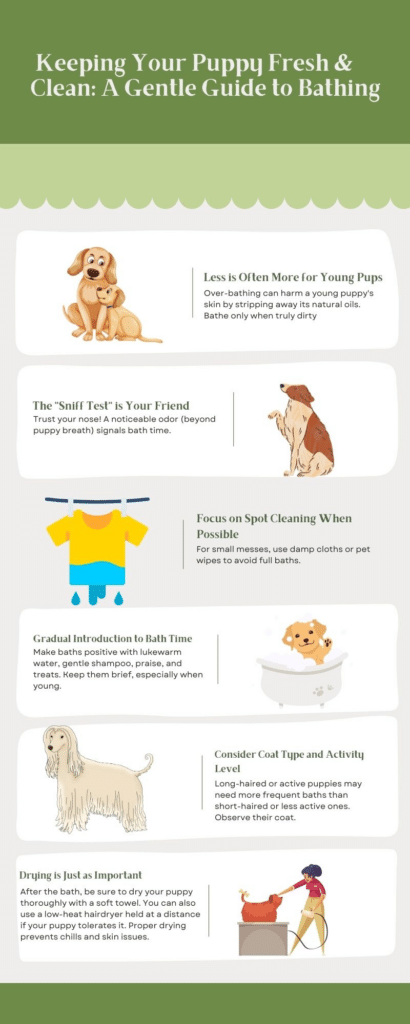
Before you even turn on the water, getting prepared is key to a smooth and stress-free bath time. Long car rides can leave your dog feeling tired, anxious, or excited, so creating a calm, organized environment is beneficial. Start by gathering all the supplies you’ll need—such as a gentle dog shampoo, towels, brushes, and possibly a non-slip mat—to avoid scrambling during the process. Having everything within reach will make the experience more efficient and less stressful for you and your dog.
It’s also wise to check your dog’s coat and skin for any cuts, scrapes, or signs of irritation before the bath. Long rides can sometimes cause minor injuries or aggravate existing skin conditions. If you notice any skin issues, consult your veterinarian for appropriate treatment before washing. Additionally, brush your dog thoroughly before bathing. This helps remove loose fur, dirt, and matting, making the washing process more effective and reducing the likelihood of tangles when the coat gets wet. Brushing also provides a calming experience for your dog and can prevent mats from forming as the fur dries.
Lastly, consider your dog’s temperament and comfort level. If your pup is anxious or wary of baths, introduce the supplies beforehand, and speak in a soothing tone. Offer treats and praise to create a positive association with bath time. Making sure your dog is relaxed and comfortable before starting is crucial—this sets the stage for a successful post-ride wash that leaves both of you feeling good.
Choosing the Right Location and Water Temperature for Washing
Selecting the proper location for bathing your dog is an important step for a stress-free experience. Many dog owners opt for a bathtub, utility sink, or even an outdoor setup if the weather permits. If you’re bathing your dog outdoors, choose a shaded area to prevent the water from heating up too quickly. Indoors, ensure the space is clean, free of clutter, and has good drainage. Using a non-slip mat on the floor or in the tub can prevent slipping and keep your dog steady, especially if they are nervous or wiggly.
Water temperature is a critical factor—lukewarm water is ideal for washing your dog after a long car ride. Water that’s too hot can scald sensitive skin, while cold water might make your dog uncomfortable and reluctant to stay still. Test the water with your wrist or elbow before beginning, ensuring it’s comfortably warm but not hot. This gentle temperature helps open the pores and loosens dirt without causing any distress. Remember, during the wash, avoid spraying water directly into your dog’s ears, eyes, or nose. Instead, use a gentle spray or pour water carefully to keep your pup calm and comfortable throughout the process.
The environment around the bathing area should also promote relaxation. If outdoors, ensure the area is secure, and if inside, keep the room at a comfortable temperature. Have towels or a drying station nearby so that once your dog is rinsed, you can quickly and efficiently dry them off. Creating a peaceful, controlled setting helps reduce anxiety and makes the bathing experience more enjoyable for your furry friend.
Proper Techniques for Cleaning Your Dog After a Long Car Trip
When it’s time to wash your dog, use gentle, systematic techniques to effectively clean while minimizing stress. Start by wetting your dog’s coat thoroughly with lukewarm water, working from the neck down to ensure all dirt and debris are loosened. Use your hand or a gentle spray nozzle to evenly distribute water—this prevents sudden splashes that might startle your dog. When applying shampoo, use a dog-specific formula that’s free from harsh chemicals and fragrances. These are gentler on your dog’s skin, especially after a long ride where dirt and sweat may have accumulated.
Lather the shampoo gently, paying attention to areas prone to getting dirty such as paws, underbelly, and behind the ears. Avoid scrubbing too vigorously, as this can irritate sensitive skin or cause discomfort. Instead, use soft, circular motions, and work the shampoo into the coat for a few minutes to ensure a deep clean. Rinse thoroughly, making sure to remove all soap residue, which can cause itching or dryness if left in the fur. Pay special attention to skin folds or areas with thick fur, as debris can hide here and lead to infections if not properly cleaned.
Once the washing is complete, don’t rush the rinsing process. Use plenty of water to ensure all shampoo is washed out completely. For dogs with longer hair, consider using a detangling conditioner or a coat rinse designed to maintain coat health. This extra step can help keep the coat smooth, shiny, and less prone to mats. Throughout the process, speak soothingly to your dog to keep them calm and reassure them that they are safe and cared for.
Drying Methods and Post-Bath Care to Keep Your Dog Comfortable
After rinsing, proper drying is essential to prevent skin issues and keep your dog comfortable. The quickest method is to use a clean, absorbent towel—gently patting your dog dry rather than rubbing. Rubbing vigorously can cause skin irritation or matting, especially for dogs with thick or curly coats. For dogs with long hair, consider using a blow dryer on a low, cool setting, keeping it at a safe distance to avoid burns or anxiety. Many dogs are nervous about hair dryers, so introduce this gradually, offering treats and praise to create a positive association.
Air drying is also an option if the weather is warm and the environment is well-ventilated. Ensure your dog is in a draft-free area and has access to a cozy, warm spot to rest. If you use a blow dryer, keep the airflow gentle and avoid focusing on one spot for too long. Regularly check your dog’s skin for signs of irritation, redness, or dryness, especially if you used a blow dryer or if the weather is humid. If your dog has thick or long fur, consider grooming tools like brushes or combs to detangle the coat while it dries, preventing mats from forming as the coat settles.
Post-bath care doesn’t end with drying. Brushing your dog’s coat afterward helps distribute natural oils, promotes a healthy shine, and keeps the coat free of loose fur and dirt. Additionally, ensure your dog’s paws, ears, and face are dried thoroughly to prevent moisture accumulation that could lead to infections. Reinforcing positive experiences with gentle petting, treats, or play after the bath can also make future grooming sessions less stressful and more enjoyable.
Tips for Preventing Skin Irritations and Maintaining Coat Health After Travel
Keeping your dog’s skin and coat healthy after a long car ride involves ongoing care and attention. Regular brushing helps remove dirt, loose fur, and debris that could cause irritation if left to accumulate. Use appropriate grooming tools for your dog’s coat type—slicker brushes for curly hair, bristle brushes for short coats, or combs for thicker breeds. Incorporating a gentle, moisturizing conditioner during baths can also help maintain skin hydration and coat softness, especially if your dog has sensitive skin or is prone to dryness.
Monitoring your dog’s skin for signs of irritation or allergic reactions after travel is crucial. Pollen, dust, and other environmental factors can trigger skin issues, so check for redness, swelling, or excessive scratching. If your dog develops hot spots, rashes, or persistent itching, consult your veterinarian promptly to determine the underlying cause and receive appropriate treatment. Using hypoallergenic shampoos and avoiding over-bathing can also help prevent skin dryness or irritation. A balanced diet rich in omega-3 fatty acids supports skin health and promotes a shiny coat.
Finally, maintaining a clean, comfortable environment post-travel can make a significant difference. Regularly wash your dog’s bedding, vacuum carpets, and wipe down surfaces to remove residual dirt or allergens. Ensuring your dog stays hydrated and offering nutritious treats can bolster their immune system and skin health. With consistent grooming, attentive skin care, and a loving approach, your dog can stay comfortable, healthy, and looking their best—even after those long, dusty car rides.
Conclusion
Washing your dog after a long car ride is more than just a quick cleanup—it’s an essential part of maintaining your pet’s health, happiness, and comfort. Proper preparation, choosing the right location and water temperature, and using gentle, effective techniques all contribute to a positive bathing experience. Drying your dog thoroughly and caring for their coat afterward helps prevent skin issues and keeps them looking shiny and well-groomed. By following these tips, you can turn what might be a stressful task into a bonding moment and a chance to show your dog some extra love and care.
Remember, every dog is unique, so tailor your approach to suit your pet’s needs and temperament. Regular grooming and attentive post-travel care not only keep your dog clean but also promote overall well-being. Next time your adventure ends with a muddy paw print or a dusty coat, you’ll be ready to give your pup a refreshing bath that leaves them feeling fresh, healthy, and happy.