
How to Wash Your Dog Safely Without Triggering Allergies in Humans
Owning a dog is a joyful experience, but for many people, it also comes with the challenge of managing allergies. Dog allergens—primarily proteins found in dander, saliva, and urine—can trigger allergic reactions ranging from sneezing and itchy eyes to asthma attacks. For households with allergy-sensitive individuals, maintaining a clean environment while keeping dogs happy and healthy requires careful grooming routines. Washing your dog properly, using the right products, and creating a safe environment post-bath can significantly reduce allergen exposure. This comprehensive guide will walk you through how to wash your dog safely, minimize allergenic triggers, and ensure everyone in your home can enjoy the companionship of your furry friend without discomfort.
Understanding Common Dog Allergens and Their Impact on Sensitive Individuals
Dog allergens are proteins predominantly found in a dog’s skin cells (dander), saliva, and urine. These microscopic particles are lightweight and easily become airborne, settling on surfaces and furnishings, which makes them difficult to eliminate completely. Most people associate pet allergies primarily with dander, but saliva and urine proteins also contribute significantly to allergic reactions, especially after your dog has been licking or grooming.
For individuals with sensitivities, exposure to dog allergens can cause a range of allergic symptoms. These include sneezing, nasal congestion, itchy eyes, wheezing, and even skin rashes. Chronic exposure can exacerbate asthma symptoms or lead to respiratory issues in vulnerable populations such as children, the elderly, or those with existing respiratory conditions. Understanding the specific allergens your household faces is crucial in tailoring your grooming routines to minimize these triggers effectively.
Interestingly, the degree of allergen production varies among dog breeds, with some considered hypoallergenic—though no breed is entirely allergen-free. Breeds with less shedding or those that produce less dander tend to trigger fewer reactions. Regular grooming, a clean living environment, and choosing the right grooming products play vital roles in managing allergen levels. Recognizing the sources and impact of dog allergens helps you implement practical strategies to keep your home allergy-friendly while still caring for your pet.
Preparing for a Dog Bath to Minimize Allergic Triggers
Preparation is key when it comes to reducing allergen spread during your dog’s bath. Before the shower, gather all necessary supplies—hypoallergenic shampoo, towels, brushes, and a non-slip surface. Choose a designated grooming area that can be easily cleaned afterward, such as a bathtub or a grooming station with good ventilation. Protecting yourself with gloves and using a mask can further reduce exposure to airborne dander and saliva particles during the process.
It’s also important to set the right environment for the bath. If you or someone in your household is prone to allergies, consider bathing your dog outdoors if weather permits. Outdoor baths allow allergens to disperse more efficiently into the air and reduce indoor allergen levels. If bathing indoors, ensure the room is well-ventilated by opening windows and turning on exhaust fans. Removing carpets or upholstery nearby can prevent allergens from settling and accumulating over time, making cleanup easier after the bath.
Finally, establish a grooming routine that minimizes stress for your dog, as stress can increase salivation and shedding, leading to more allergens. Brushing your dog regularly outside can also reduce loose hair and dander before the bath, making the actual washing process less messy and allergen-heavy. Proper prep work helps you create a cleaner, safer environment that limits allergen dispersal while keeping your furry friend comfortable.
Selecting Hypoallergenic Dog Shampoos and Grooming Products
Choosing the right grooming products is essential in reducing allergic reactions without compromising your dog’s skin health. Hypoallergenic dog shampoos are formulated to be gentle, free from harsh chemicals, artificial dyes, and fragrances that can irritate sensitive skin and exacerbate allergen release. Look for products containing natural ingredients such as oatmeal, aloe vera, or chamomile, which soothe the skin and reduce inflammation.
When selecting grooming products, consider those specifically designed to neutralize or bind allergens. Some shampoos contain special enzymes or proteins that help break down allergens on the dog’s coat, making them less likely to become airborne or stick around in the environment. Always check the product label and opt for vet-recommended or dermatologist-approved options, especially if your dog has allergies or skin conditions.
Additionally, avoid products with added perfumes or dyes, as these can trigger allergic reactions in sensitive individuals and may also irritate your dog’s skin. Regularly updating your grooming supplies and sticking with products suited for sensitive skin can make a big difference in controlling allergen levels. By investing in the right hypoallergenic grooming products, you’re taking a proactive step in making the bathing routine safer for everyone involved.
Step-by-Step Guide to Washing Your Dog Safely and Effectively
A proper bathing routine isn’t just about cleanliness—it’s about controlling allergens and ensuring your dog’s comfort. Start by brushing your dog thoroughly before the bath to remove loose hair and dander, which can reduce the amount of allergens present during washing. Use a gentle, hypoallergenic brush suitable for your dog’s coat type.
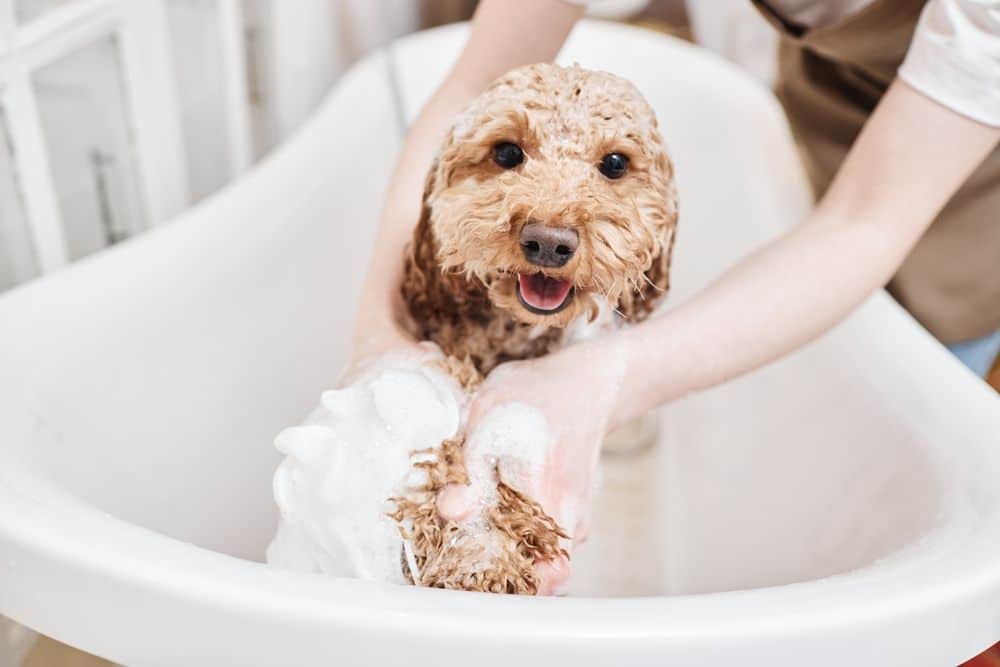
Next, wet your dog’s coat carefully with lukewarm water, avoiding direct streams on the face or ears to prevent discomfort. Apply the hypoallergenic shampoo, focusing on areas prone to oil and dander buildup—such as the face, ears, and paws—being gentle and avoiding overuse. Massage the shampoo into the coat and skin, letting it sit for a few minutes to break down allergens effectively, then rinse thoroughly to remove all residue.
During the bath, keep your dog calm with soothing words and gentle handling to minimize stress-induced salivation and shedding. Once washed, dry your dog with a towel or a low-heat blow dryer designed for pets, ensuring the coat is thoroughly dried to prevent skin irritation. It’s important to clean your grooming area afterward by wiping down surfaces and washing your hands and gloves to remove residual allergens. This step prevents spreading allergens elsewhere in your home and maintains a hygienic environment.
Post-Bath Ventilation and Cleanup Strategies to Reduce Allergens
After completing the bath, the work isn’t finished—proper ventilation and cleanup are crucial steps in allergen control. Open windows and turn on exhaust fans to help disperse airborne dander and saliva particles, especially if the bath was indoors. Proper airflow reduces the concentration of allergens in the air and speeds up the drying process, making the environment less allergenic.
Cleaning your grooming space thoroughly is equally important. Wipe down surfaces, cabinets, and any nearby furniture with damp cloths or pet-safe disinfectants to remove dander and saliva residues. Wash towels, brushes, and any reusable grooming tools in hot water with hypoallergenic detergent to eliminate allergens. This prevents allergen buildup and cross-contamination that could trigger allergic reactions in sensitive individuals.
Finally, consider using an air purifier equipped with a HEPA filter in your home, especially in the room where your dog is bathed and groomed. HEPA filters are excellent at capturing airborne allergens, improving indoor air quality. Regularly vacuuming carpets, upholstery, and curtains with a HEPA-filter vacuum cleaner can also significantly reduce allergen levels over time. These strategies not only create a cleaner environment but also promote healthier indoor air quality for allergy-sensitive family members.
Conclusion
Washing your dog safely while minimizing allergic reactions in humans is achievable through a combination of knowledge, preparation, and the right products. Understanding the nature of dog allergens—dander, saliva, and urine proteins—helps you take targeted steps to reduce their presence. Preparing your grooming area, choosing hypoallergenic shampoos, and following a gentle, thorough washing routine protect both your pet’s health and your household’s comfort. Don’t forget the importance of post-bath ventilation and meticulous cleanup to prevent lingering allergens from affecting allergy-sensitive individuals.
By implementing these practices, you can maintain a clean, allergy-friendly environment without sacrificing the joy and companionship that comes with having a dog. Regular grooming, smart product choices, and good airflow are simple yet powerful tools to make your home a safer space for everyone. Remember, with a little effort and the right strategy, you can enjoy the benefits of pet ownership while keeping allergic reactions at bay—creating a happier, healthier life for you, your family, and your furry friend.