


How to Bathe a Dog with a Fungal Infection: Tips for Safe and Effective Cleaning
Dealing with a dog’s fungal infection can be a challenging experience for any pet owner. These infections, often caused by fungi like dermatophytes or yeast, can lead to itchy, flaky skin, hair loss, and discomfort for your furry friend. While medication prescribed by your veterinarian is essential, proper bathing techniques and the right grooming routine play a vital role in supporting your dog’s recovery. This article will guide you through understanding fungal infections in dogs, preparing for bathing, choosing the best medicated shampoos, effective bathing techniques, and post-bath care. Whether you’re new to pet grooming or looking to refine your approach, these tips will help you ensure your dog is safely and effectively cleaned, setting the stage for healing and healthy skin.
Understanding Fungal Infections in Dogs and Their Impact on Skin Health
Fungal infections in dogs are fairly common and can affect different layers of the skin, leading to discomfort and health issues if not addressed promptly. The most common types include dermatophyte infections (like ringworm) and yeast infections, which thrive in warm, moist environments. These infections often present with symptoms such as redness, hair loss, crusty patches, and excessive scratching. Understanding the nature of these infections is crucial because it influences how you approach bathing and treatment.
Fungal infections can significantly compromise your dog’s skin barrier, making it more susceptible to secondary bacterial infections. The fungal organisms can cause irritation and inflammation, which may lead to chronic skin problems if left untreated. Moreover, fungi such as ringworm are contagious to humans and other pets, emphasizing the importance of careful hygiene and appropriate care during the healing process. Recognizing early signs and consulting a veterinarian for diagnosis and treatment ensures you’re addressing the root cause effectively.
Proper skin health management involves more than just medication; it includes maintaining cleanliness, avoiding environmental triggers, and improving your dog’s immune response. Fungal infections often flourish in damp, dirty environments or on dogs with underlying health issues such as allergies or hormonal imbalances. Understanding these factors helps you implement a comprehensive approach to your dog’s recovery, including bathing routines that support skin healing and prevent recurrence.
Preparing Your Dog and Bathing Environment for Fungal Skin Care
Preparation is key when it comes to bathing a dog with a fungal infection. Start by gathering all necessary supplies beforehand: medicated shampoo prescribed by your vet, soft towels, a gentle brush, and possibly a pair of gloves to protect yourself from contamination. Ensuring your bathing area is clean and free of contaminants is also essential; a non-slip surface like a rubber mat can keep your dog steady and prevent slips, especially if they are itching or sore.
Before the bath, give your dog a thorough brush to remove loose hair and debris. This step not only facilitates better shampoo coverage but also helps to loosen crusts or flaky skin, making the cleaning process more effective. If your dog is particularly anxious or uncomfortable, consider calming techniques such as gentle petting or placing a familiar, comforting item nearby. Keep the bathing environment warm and draft-free to prevent your dog from becoming chilled, especially since fungal-infected skin is often more sensitive and prone to irritation.
It’s also wise to prepare your dog’s skin by bathing them in a warm, comfortable setting that minimizes stress. If your dog shows signs of anxiety, using calming pheromone sprays or playing soothing music can help. Additionally, isolate your dog from other pets during bathing to prevent sharing of fungi and to ensure a controlled, hygienic environment. Proper preparation reduces stress for both you and your dog and sets the stage for a safer, more effective cleaning process.
Selecting the Right Medicated Shampoo and Applying It Effectively
Choosing the correct medicated shampoo for a fungal infection is critical for effective treatment. Your veterinarian might recommend specific shampoos containing active ingredients like chlorhexidine, miconazole, lime sulfur, or ketoconazole, which target fungi directly. It’s important to select a shampoo formulated explicitly for fungal skin issues—using regular dog shampoos may not be sufficient and could potentially worsen the condition. Always follow your vet’s advice on selecting a product suited to your dog’s specific needs and skin sensitivity.
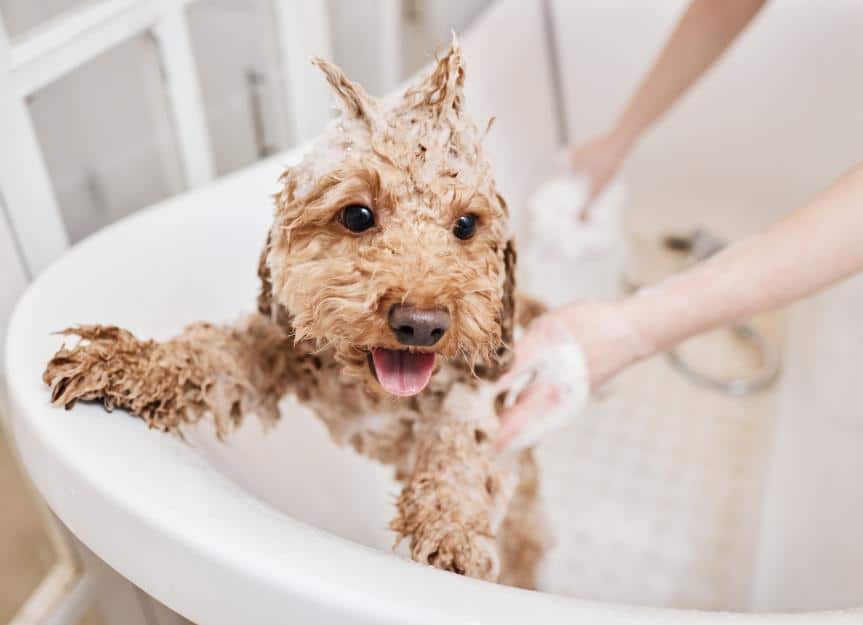
When applying medicated shampoo, start by thoroughly wetting your dog’s coat with warm water. Use your hands or a gentle sponge to ensure the entire affected area is moist, which helps the shampoo penetrate deeply into the skin. Apply the shampoo liberally, working it into a rich lather while focusing on areas with visible lesions, crusts, or hair loss. Be gentle around sensitive or inflamed skin to avoid causing additional discomfort. Let the shampoo sit for the recommended amount of time—usually 5 to 10 minutes—to allow the active ingredients to work effectively before rinsing thoroughly.
Effective application also involves proper rinsing. Use lukewarm water to rinse away all traces of shampoo, ensuring no residue is left behind, as this could cause further irritation or reduce the effectiveness of the medication. Pat your dog dry with a soft towel—avoid vigorous rubbing, which can damage fragile skin. Some vets may recommend repeating the bathing process weekly or as directed until the infection clears, so consistent application and adherence to your vet’s instructions are vital for successful treatment.
Proper Techniques for Bathing a Dog with a Fungal Infection
Bathing a dog with a fungal infection requires gentle, methodical techniques to promote healing and minimize stress. Always start by calming your dog to make the process less intimidating—using treats, soothing voice, or a familiar blanket can help. When bathing, ensure the water is warm but not hot, as hot water can further irritate sensitive skin. Avoid aggressive scrubbing; instead, use your hands or a soft sponge to massage the medicated shampoo into the coat, paying special attention to affected areas.
Work slowly and patiently, covering all areas of your dog’s body, and avoid missing spots that might harbor fungal spores. When applying shampoo, follow the instructions for the specific product you’re using, usually allowing it to sit on the skin for several minutes. During this time, gentle massaging can help increase blood flow and enhance contact of the active ingredients with the skin. Be cautious around the face—use a damp cloth to clean the face area, avoiding direct contact with eyes and nose.
Rinse thoroughly to remove all shampoo residues, which can otherwise cause irritation or dryness. After rinsing, gently squeeze out excess water and pat your dog dry with a soft towel. If your dog is prone to scratching or licking, consider using an Elizabethan collar or protective clothing to prevent self-inflicted injury during healing. Regular, gentle bathing combined with proper handling techniques significantly improves the effectiveness of treatment and promotes quicker recovery.
Post-Bath Care and Preventative Measures to Support Recovery
After bathing, maintaining your dog’s skin health and preventing reinfection are crucial. Apply any topical medications or healing ointments prescribed by your veterinarian to support skin regeneration. Keep your dog in a warm, draft-free environment and monitor their behavior and skin condition daily. Avoid bathing more frequently than recommended, as excessive washing can strip natural oils and hinder healing, but do follow your vet’s guidance on frequency.
Implementing preventative measures is key to avoiding future fungal infections. Regular grooming and cleaning of your dog’s living environment—such as washing bedding, cleaning kennels, and vacuuming carpets—reduce the risk of fungal spore buildup. Ensuring your dog stays dry, especially in humid or damp conditions, prevents fungi from thriving. Consider using anti-fungal sprays or powders on your dog’s coat during grooming routines as a preventative step, especially if they are prone to skin issues.
Finally, supporting your dog’s overall immune health can make a big difference in recovery and prevention. Provide a balanced diet rich in essential fatty acids, vitamins, and minerals to strengthen skin and immune function. Regular veterinary check-ups can help identify underlying health problems that might predispose your dog to fungal infections. Patience and consistency are key—you’re not just treating the current infection but also working toward a healthier, fungus-free future for your beloved pet.
Conclusion
Fungal infections in dogs can be frustrating, but with the right approach to bathing and skin care, you can greatly support your pet’s recovery. Understanding the nature of fungal skin issues helps you choose appropriate products and techniques, reducing discomfort and preventing spread. Preparing your dog and bathing environment, selecting effective medicated shampoos, and applying them with gentle, proper techniques are essential steps in the process. Post-bath care, environmental hygiene, and preventative measures help ensure long-term skin health and reduce the chance of recurrence. Remember, always follow your veterinarian’s advice for diagnosis and treatment, and take a proactive role in your dog’s skin health. With patience and care, your dog can recover comfortably and enjoy a healthier, happier life free from fungal infections.