


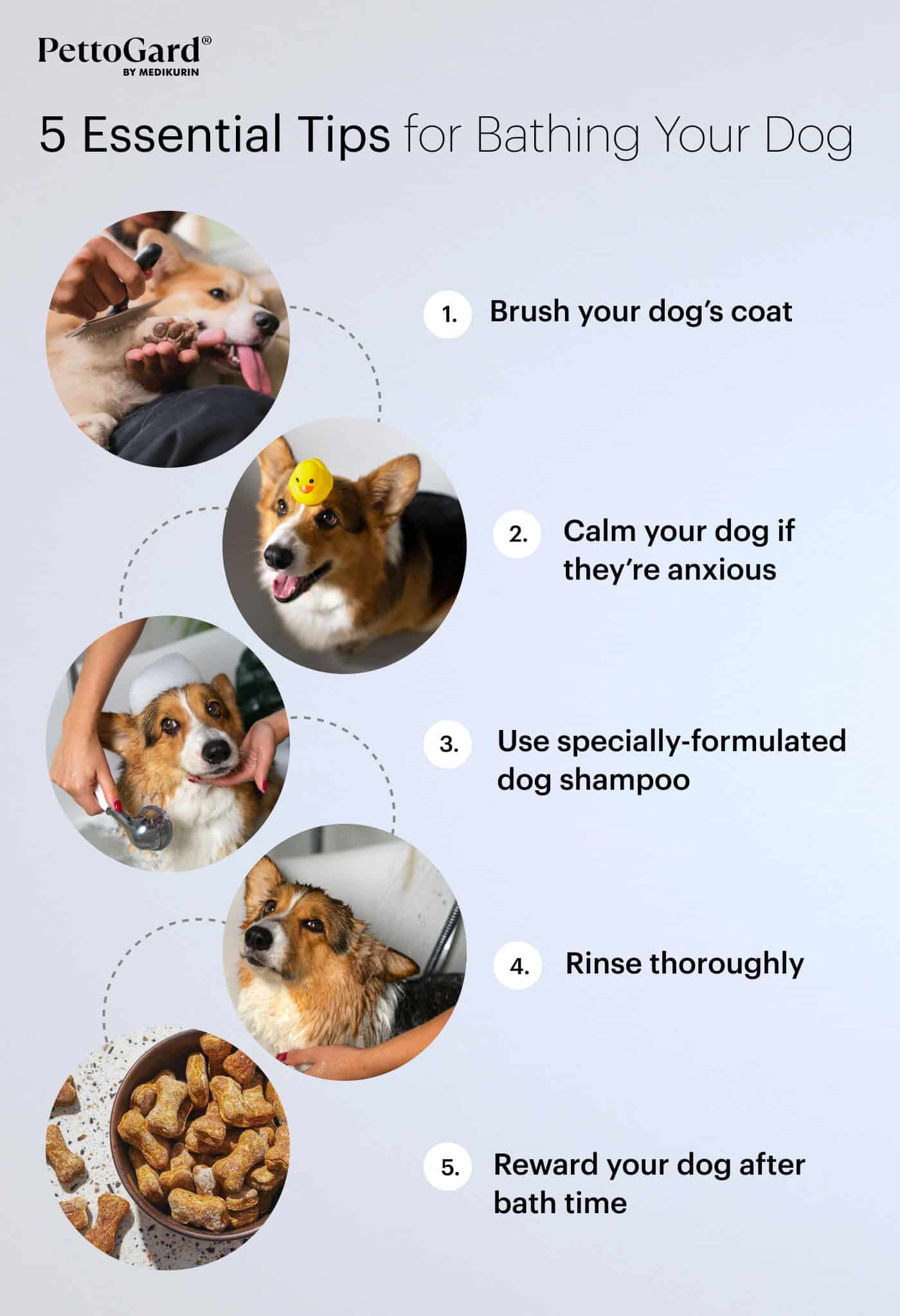
How to Bathe an Excited Dog: Tips for a Calm and Stress-Free Bath
Bathing your dog can be a challenging task, especially if your furry friend gets overly excited or anxious during bath time. An excited dog might splash, bark, or try to escape, making the experience stressful for both of you. The good news is that with the right preparation, handling techniques, and positive reinforcement, you can turn bath time into a calmer, more enjoyable routine for your pet. In this article, we’ll explore effective strategies to help you understand why dogs get excited during baths and how to create a peaceful, stress-free environment for your dog’s grooming sessions.
Whether you’re a first-time dog owner or someone struggling with an overly energetic pup, these tips will help you manage your dog’s excitement and make bath time a positive experience. Let’s dive into the details of how to bathe an excited dog, starting with understanding their behavior.
Understanding Why Some Dogs Get Excited During Baths
Understanding your dog’s behavior is the first step toward making bath time easier and less stressful. Many dogs react excitedly or anxiously during baths due to a combination of instinct, past experiences, and individual temperament. For some dogs, the unfamiliar sensations of water, the sensation of being restrained, or the noise of running water can trigger excitement or anxiety. Others may associate baths with negative past experiences, making them more reactive during future grooming sessions.
Additionally, some dogs are naturally more energetic or curious, which can translate into heightened excitement during baths. The scent of shampoos, the movement of water, and the sight of grooming tools can all be stimuli that increase their arousal levels. Understanding that this excitement often stems from fear or discomfort rather than mere misbehavior helps you approach the situation with patience and empathy. Recognizing your dog’s emotional state allows you to tailor your approach and gradually help them feel more comfortable.
It’s also important to note that certain breeds are more prone to anxiety or excitement during baths, especially those with thick coats, sensitive skin, or long hair that requires extra handling. Dogs who have previously experienced rough grooming or traumatic water experiences may also be more excitable or fearful. Keeping these factors in mind will help you develop a more informed and compassionate bathing routine that addresses your dog’s unique needs.
Preparing Your Dog and Bathing Area for a Calm Experience
Preparation is key to transforming bath time from a chaotic event into a calm, controlled experience. Start by choosing a quiet, comfortable space where your dog feels safe—this could be a bathtub, a sink, or a designated pet washing station. Clear the area of any clutter or distractions, and gather all necessary supplies beforehand, including dog-specific shampoo, towels, a brush, and a non-slip mat. The safety of your dog is crucial, so ensuring good footing with a non-slip mat can prevent slips and falls, especially when your dog is excited or wiggly.
Before the actual bath, spend some time acclimating your dog to the environment. Let them explore the bathing area at their own pace, and use treats or toys to create positive associations. If your dog is particularly anxious, consider doing a few dry runs where you introduce the bathing tools and make the area a familiar, non-threatening space. This step helps reduce novelty-related excitement and builds your dog’s confidence. Also, practicing gentle handling exercises—such as touching their paws, ears, and tail—can help make subsequent grooming and bathing less stressful.
Temperature control is another important aspect of preparation. Use lukewarm water, as hot or cold water can increase discomfort and excitement. Test the water temperature with your wrist or a thermometer to ensure it’s comfortable. Additionally, keep bath time relatively short and upbeat; lengthy sessions can elevate your dog’s stress levels. With proper preparation, you’ll set the stage for a more controlled and positive bathing experience.
Techniques for Gently Handling an Excited Dog During Bath Time
Handling an excited dog requires patience, gentle techniques, and a calm demeanor. Start by establishing yourself as a confident but gentle leader—dogs are perceptive and often pick up on their owner’s mood. Use a soothing voice, slow movements, and calm body language to reassure your pet throughout the process. When washing, support your dog properly to prevent unnecessary wriggling or jumping, which can escalate their excitement or anxiety.
One effective approach is to use a gentle restraint method, such as wrapping your dog in a towel or using a handheld leash attached to a harness. This gives you control without causing discomfort or stress. Be cautious not to restrain too tightly or abruptly, as this can trigger more excitement or fear. Instead, guide your dog’s movements softly, rewarding calm behaviors with treats or praise. When your dog starts to get overly excited, pausing the process briefly can help them settle down before continuing.
While bathing, avoid sudden movements or loud noises that can escalate your dog’s excitement. Use a cup or sprayer on a gentle, steady stream rather than a harsh jet of water. Keep one hand on your dog to offer reassurance and stability, especially if they are prone to slipping or jumping. Remember, the goal is to keep your dog physically supported and emotionally calm, so patience and consistency are key. Over time, these gentle handling techniques can help your dog associate bath time with comfort and trust.
Strategies to Keep Your Dog Calm and Cooperative Throughout the Bath
Maintaining a calm environment throughout your dog’s bath is essential for reducing their excitement levels. One effective strategy is to incorporate calming aids such as pheromone sprays, calming music, or natural supplements designed for reducing anxiety. These tools can help soothe your dog and create a serene atmosphere that discourages hyperactivity. Additionally, giving your dog a few minutes of exercise before the bath can burn off excess energy, making them more likely to relax during grooming.
A consistent routine also plays a huge role in keeping your dog cooperative. Use the same commands, timing, and sequence each time you bathe your dog to build familiarity and reduce uncertainty. For example, always start with gentle petting, then move to wetting, shampooing, rinsing, and drying. Stick to a predictable pattern that your dog can anticipate, which helps reduce excitement driven by novelty or unpredictability. Keep the mood upbeat by praising your dog for calm behavior, reinforcing their understanding that good behavior leads to positive outcomes.
During the bath, consider distraction techniques like offering a favorite toy or a treat-dispensing puzzle. These distractions can redirect your dog’s focus away from the water or grooming tools, helping to prevent overexcitement. Moreover, giving frequent praise and treats for calm behavior encourages your dog to remain relaxed. Remember, patience is vital—if your dog becomes too excited or stressed, it’s okay to pause, give them a break, and resume when they’re calmer. Over time, these strategies will help your dog associate bath time with positive, stress-free experiences.
Tips for Reinforcing Positive Behavior and Making Bath Time a Pleasant Routine
Reinforcing positive behavior is crucial for transforming bath time from a stressful chore into a pleasant routine your dog looks forward to. Start by rewarding your dog immediately after each bath with high-value treats, praise, or playtime to create a positive association. Consistency is key—regularly scheduled baths help your dog understand what to expect and reduce anxiety. Over time, your dog will learn that calm behavior during bath time results in rewards, making cooperation more likely.
Another effective tip is to incorporate gradual desensitization and counter-conditioning techniques. For example, introduce your dog to bath-related objects—like shampoo bottles and towels—without actually bathing, and reward calm interest. Slowly increase the level of exposure over multiple sessions, rewarding your dog for relaxed behavior at each step. This approach helps your dog develop a positive emotional response to bath time, reducing excitement and fear over time. Coupling this with gentle, steady handling will further reinforce the idea that bath time is safe and manageable.
Finally, establishing a consistent, comforting routine helps your dog feel secure during baths. Use a specific command or cue that signals bath time, such as "bath" or "get clean," and stick to it. This predictability fosters trust and reduces excitement driven by the anticipation of the unknown. Pair routine with calming techniques like gentle massage or soothing words to enhance relaxation. With patience, reinforcement, and positive associations, bathing your excited dog can become a less stressful, even enjoyable, part of your regular grooming routine.
Conclusion
Bathing an excited dog doesn’t have to be a stressful or chaotic experience. By understanding why some dogs get overly excited, preparing the space and your pet thoughtfully, employing gentle handling techniques, and implementing calming strategies, you can significantly reduce their anxiety and excitement during bath time. Consistent reinforcement of positive behavior and establishing a routine will help your dog see baths as a safe and even enjoyable activity.
Remember, patience and empathy are your best tools. Every dog is unique, and progress may take time, but with persistence, you can turn grooming sessions into bonding moments rather than battles. A calm, stress-free bath benefits not only your dog’s health and hygiene but also strengthens the trust and bond between you. So, take these tips to heart, and soon bath time might become a more peaceful, even happy, part of your dog’s routine.