


How to Safely Wash Your Dog During Parasite Recovery: Tips and Guidelines
Caring for a dog recovering from parasites can be a delicate process. While bathing is an essential part of the recovery journey—helping to remove remaining parasites, soothe irritated skin, and promote overall health—it’s crucial to approach the task with care and knowledge. Proper bathing techniques, selecting the right products, and understanding post-bath care can make all the difference in ensuring your furry friend’s safety and comfort. If you’re wondering how to wash your dog safely during this sensitive time, you’re in the right place. This guide will walk you through each step, providing practical tips and expert advice to help you navigate parasite recovery confidently and effectively.
Preparing the Bath Area and Gathering Necessary Supplies
Before you even turn on the water, preparation is key to a safe and stress-free bathing experience for your dog. Start by choosing a suitable location—preferably a space that offers plenty of room, such as a bathtub, a walk-in shower, or a designated pet bathing station. Ensure that the area is clean, free of slippery surfaces, and comfortably accessible for both you and your dog. Placing non-slip mats can provide extra grip, preventing slips and injuries, especially since your dog may be nervous or unsteady during recovery.
Next, gather all the supplies you’ll need beforehand. Essential items include dog-specific shampoo designed for parasite recovery, towels, a gentle brush or comb, and, if necessary, a cup or sprayer for rinsing. Having everything within arm’s reach minimizes interruptions during the bath and reduces stress for your pet. Additionally, consider having treats nearby to reward your dog afterward, which can help create a positive association with bath time. Remember, using supplies that are safe and specifically formulated for dogs—especially during parasite treatment—reduces the risk of skin irritation or adverse reactions.
Finally, ensure the water temperature is lukewarm—not too hot or cold—to make the experience comfortable. Dogs are sensitive to extreme temperatures, and hot water can aggravate skin issues, while cold water might cause discomfort or anxiety. Testing the water with your wrist or elbow before starting can help you find the perfect temperature. Setting up this calm, prepared environment helps your dog feel secure and ready for a safe, effective bath that supports their parasite recovery process.
Selecting the Appropriate Dog-Friendly Shampoo for Parasite Recovery
Choosing the right shampoo is one of the most critical steps when bathing a dog during parasite recovery. Not all shampoos are created equal, and using a product that is too harsh or inappropriate can hinder healing or cause additional skin irritation. Look for a medicated, veterinarian-recommended shampoo that is specifically formulated for parasite treatment. These shampoos often contain active ingredients like pyrethrins, lime sulfur, or selamectin, which are effective against various parasites such as fleas, ticks, and mites.
It’s equally important to select a shampoo that is gentle, hypoallergenic, and free from harsh chemicals or artificial fragrances. Dogs with sensitive skin or inflamed areas from parasite bites benefit from soothing ingredients such as oatmeal, aloe vera, or chamomile. Always read labels carefully and consult your veterinarian if you’re unsure about the best product to use. They can recommend a shampoo that aligns with your dog’s specific needs and medical history, ensuring safe and effective parasite removal without compromising skin health.
Remember that during recovery, over-bathing or using multiple products can strip natural oils from your dog’s skin, leading to dryness or irritation. Follow the instructions on the shampoo, including the recommended contact time, and avoid overusing medicated products. In some cases, your vet may suggest a specific bathing schedule or additional topical treatments to complement the shampoo. Proper product selection not only helps eliminate parasites effectively but also supports your dog’s skin healing process.
Proper Washing Techniques to Ensure Safe and Effective Parasite Removal
When it’s time to wash your dog, adopting the correct technique is crucial for safety and effectiveness. Start by thoroughly wetting your dog’s coat with lukewarm water, avoiding the face and ears initially to prevent water from entering sensitive areas. Use a cup or sprayer to gently apply water, ensuring even coverage. Apply the medicated shampoo in a gentle yet thorough manner, massaging it into the coat from head to tail, paying close attention to areas where parasites tend to hide—such as around the neck, ears, and underbelly.
During the shampooing process, it’s important to avoid aggressive scrubbing, which can irritate inflamed skin or cause discomfort. Let the shampoo sit for the recommended amount of time—usually 5 to 10 minutes—to allow active ingredients to work effectively against parasites. Use your fingers or a soft brush to gently work the shampoo into the coat, being careful around sensitive areas. Rinse thoroughly to remove all traces of shampoo, as leftover residue can cause irritation or dry out the skin.
Finally, ensure that no shampoo is left behind, especially around the face, ears, and skin folds. Pat your dog dry with a clean, soft towel—avoid rubbing vigorously, which can irritate the skin further. In some cases, a gentle blow-dry on a low heat setting can help remove excess moisture, but only if your dog tolerates it. Proper washing techniques help ensure that parasites are effectively removed, skin is kept healthy, and your dog remains calm and comfortable throughout the process.
Post-Bath Care and Drying Practices to Support Skin Healing
After the bath, your dog’s skin needs proper care to promote healing and prevent further irritation. Begin by gently drying your dog with a soft towel, patting rather than rubbing to avoid aggravating inflamed skin or causing discomfort. If your dog is tolerant, a blow dryer set on a cool or low heat setting can help speed up drying—just be cautious to prevent burns or excessive heat exposure. Ensuring your dog is thoroughly dry can reduce the risk of fungal or bacterial infections and help restore the skin’s natural barrier.
Applying a soothing, veterinarian-approved topical treatment or moisturizer can aid in healing irritated areas and reduce itching. Products containing oatmeal, aloe vera, or other gentle, healing ingredients are ideal for supporting skin recovery. Always follow your veterinarian’s recommendations regarding topical treatments and avoid using human skincare products, as they may contain ingredients harmful to dogs. Regularly inspecting your dog’s skin during the recovery period helps you monitor progress and identify any persistent issues early on.
Lastly, keep your dog in a warm, draft-free environment after bath time to prevent chills or discomfort. Limit your dog’s activity for a short period to allow the skin to settle, especially if there is inflammation or open skin. Consistent post-bath care not only supports skin healing but also reinforces positive associations with grooming routines. Maintaining a gentle, attentive approach ensures your dog feels safe and cared for during this vulnerable healing phase.
Monitoring and Preventing Re-infestation During the Recovery Period
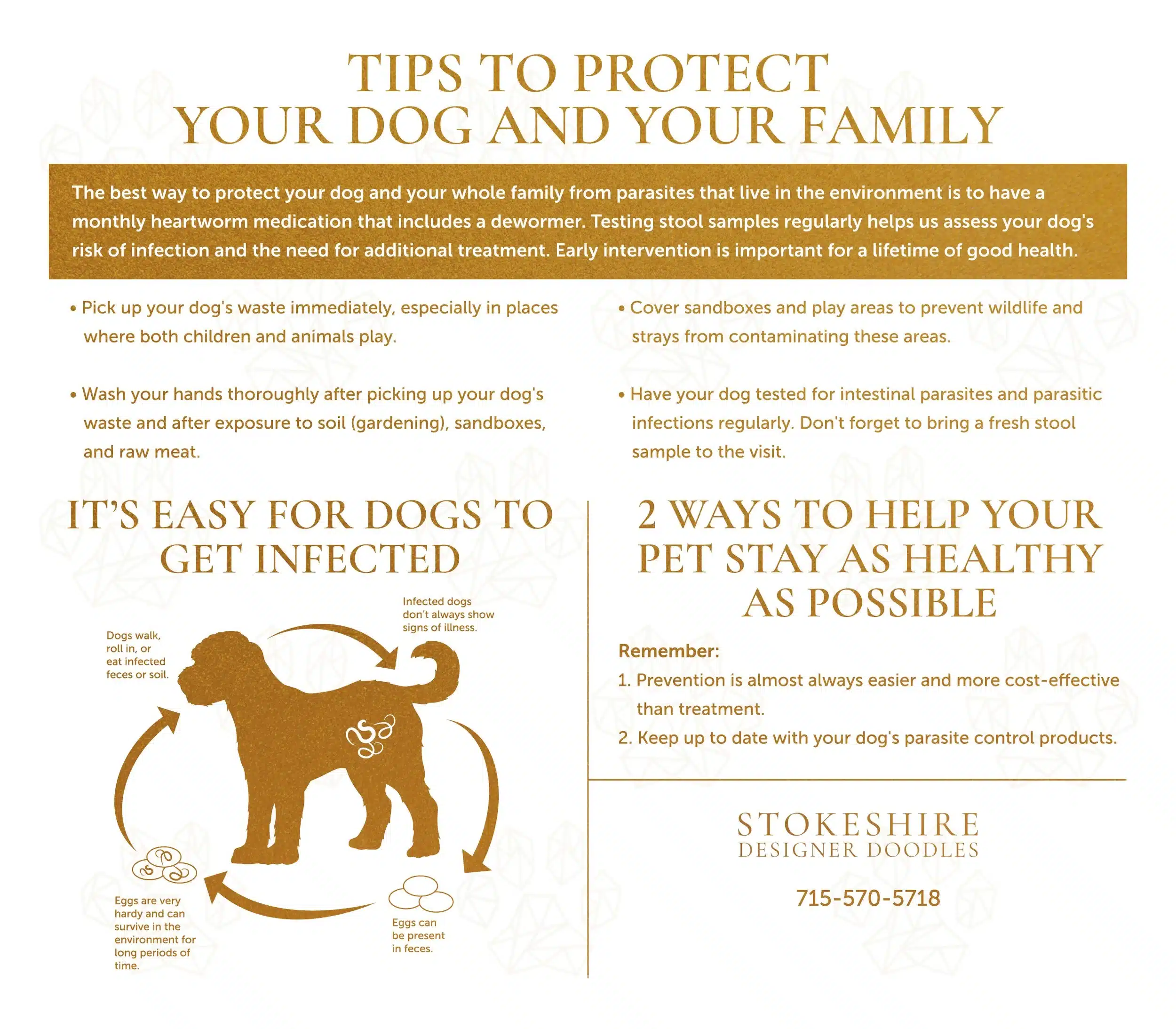
Parasite recovery doesn’t end with a single bath; ongoing monitoring and prevention are vital to keep your dog healthy and free from reinfestation. Keep a close eye on your dog’s behavior and skin condition—look for signs of residual parasites, such as scratching, biting, hair loss, or skin redness. Regular grooming and inspection can help catch any new or persistent issues early, allowing prompt intervention. Additionally, follow your veterinarian’s recommended schedule for follow-up treatments or medicated baths to ensure complete parasite eradication.
Preventing reinfestation involves implementing a comprehensive parasite control plan. This includes administering veterinarian-prescribed oral or topical preventatives at regular intervals, even after the initial recovery, to keep fleas, ticks, and mites at bay. Keep your home environment clean by vacuuming regularly, washing bedding frequently, and treating areas where your dog spends time. Outdoor areas should be maintained to minimize parasite habitats, such as tall grass or leaf litter, where pests often hide.
Education about parasite life cycles and behavior is also crucial. For example, fleas can jump onto your dog from the environment, so maintaining yard and home sanitation is essential. Avoid contact with other animals that may be infested and use preventive measures recommended by your vet. By staying vigilant and proactive, you can help safeguard your dog’s health, prevent reinfestation, and support a smooth, complete recovery from parasites.
Conclusion
Safely washing your dog during parasite recovery is a vital part of their healing process, requiring careful preparation, appropriate product selection, gentle techniques, and ongoing vigilance. By creating a calm and safe bathing environment, choosing the right medicated shampoo, and employing proper washing methods, you can effectively remove parasites and promote healthy skin. Post-bath care—including thorough drying and skin soothing—further supports your dog’s recovery and comfort. Lastly, continuous monitoring and preventive measures are key to avoiding reinfestation and maintaining your dog’s long-term health.
Remember, patience and consistency are your best allies during this recovery journey. With the right knowledge and gentle care, you can help your furry friend heal comfortably and return to their happy, parasite-free life. If in doubt, always consult your veterinarian for personalized advice and support—your dog’s health and happiness are worth it!