


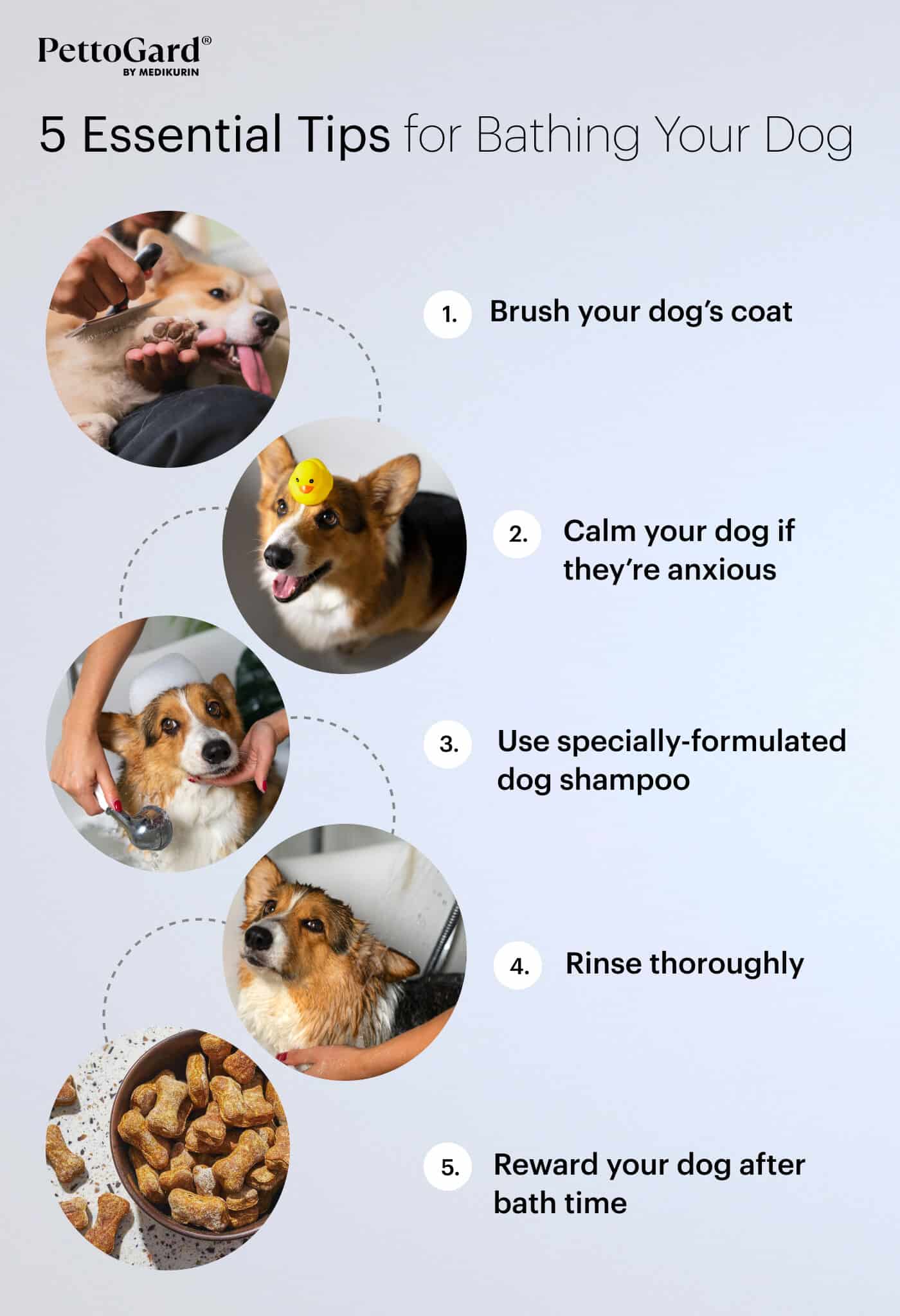
How to Bathe Your Dog Without Damaging Tick Collars: Essential Tips
Bathing your dog is a routine part of pet care that keeps them healthy, clean, and happy. However, if your furry friend wears a tick collar—or any type of collar—it’s important to approach bath time with care to avoid damaging the collar or compromising its effectiveness. A ruined tick collar can leave your dog vulnerable to pests and tick-borne diseases, so knowing how to bathe your dog properly while preserving the integrity of the collar is essential. In this article, we’ll walk you through everything you need to know—from preparing the grooming area to post-bath checks—so your dog stays fresh, safe, and protected.
Preparing Your Dog and Grooming Area for a Safe Bathing Experience
Getting ready for a bath isn’t just about grabbing the shampoo; it’s about setting the stage for a smooth, stress-free experience for both you and your dog. First, choose a suitable location—whether it’s a bathtub, a garden hose, or a dedicated dog grooming station—making sure it’s secure and non-slippery. Use non-slip mats or towels to prevent your dog from slipping, which can cause anxiety or injury. Having all your supplies within reach—such as towels, dog-friendly shampoo, brushes, and a waterproof cover for your dog’s collar—will streamline the process and reduce stress.
Next, consider your dog’s temperament and comfort level. Some dogs are nervous around water, while others may be excited but easily agitated. Use calming techniques like gentle petting, speaking softly, or offering treats to make them feel at ease. If your dog is especially anxious, performing a dry brush or cleaning routine first can help ease them into the bath. Also, check the collar’s fit beforehand; it should be snug enough to stay in place but loose enough to avoid discomfort, especially if you plan to remove it briefly during the bath.
Finally, inspect the collar and your dog’s skin before starting. Ensure the collar isn’t damaged or too tight, as water exposure can sometimes cause swelling or skin irritation if the collar is poorly fitted. If your dog has any skin issues or sensitivities, consult your veterinarian for specific bathing recommendations. Proper preparation minimizes surprises during the bath and ensures a smoother process that protects your dog’s health and the longevity of their collar.
Protecting Tick Collars During Bathing: Techniques and Best Practices
The key to bathing a dog with a tick collar is to protect the collar from water damage while maintaining its pest-repellent function. Many collars are waterproof, but even water-resistant collars can lose effectiveness if submerged or exposed to soap and shampoo for prolonged periods. The best approach is to minimize the collar’s exposure to water without removing it entirely, which can sometimes increase the risk of losing it or reducing its protective capabilities.
One effective technique is to gently cover the collar with a waterproof bandage or plastic wrap during the bath. Carefully securing the cover over the collar prevents direct contact with water and shampoo, ensuring the collar stays dry and functional. Be cautious to avoid covering your dog’s face or restricting airflow; the goal is to shield the collar, not to cause discomfort. If your dog tolerates it, you can also lift the collar away from the skin and hold it above the water line during rinsing, being sure not to tug or strain it.
Another best practice involves timing the bath strategically. For example, if your dog’s tick collar is known to be water-sensitive, consider removing it before the bath and reapplying once your dog is dry. However, this is not always ideal, especially if your dog relies heavily on the collar for pest prevention. In such cases, consult the collar’s manufacturer instructions—many brands specify whether the collar can stay on during baths or if it should be removed. Ultimately, gentle handling, protective coverings, and following manufacturer guidance will help preserve your dog’s tick collar functionality.
Choosing Dog-Friendly Shampoos and Bathing Products That Do Not Harm Collars
Selecting the right bathing products is crucial when your dog wears a collar that needs to remain effective. Many standard shampoos contain harsh chemicals that can degrade the material or reduce the efficacy of tick collars. To ensure safety and longevity, opt for natural, dog-specific shampoos formulated to be gentle on your pet’s skin and collar materials.
Look for products that are free from sulfates, parabens, artificial fragrances, and alcohol, as these can cause skin irritation and potentially damage collar materials such as plastic or fabric. Many brands now offer biodegradable, hypoallergenic shampoos made with natural ingredients like oatmeal, aloe vera, and chamomile, which soothe sensitive skin and are safe around collars. Always check the label or consult with your veterinarian if you’re unsure about a product’s safety for use with collars.
Additionally, consider the collar’s material when choosing your shampoo. For example, plastic or rubber collars may react differently than fabric or leather collars. If your dog wears a fabric collar, choose a mild, water-based shampoo that won’t cause the fabric to deteriorate or stain. Using a gentle, dog-safe shampoo not only preserves the collar but also reduces the risk of skin irritation or allergic reactions, making bath time a more pleasant experience for your dog.
Step-by-Step Guide to Bathing Your Dog Without Disrupting the Tick Collar
Now that you’re equipped with the right preparations and products, here’s a step-by-step guide to bathing your dog while keeping their tick collar safe and effective:
-
Secure the Collar: Before starting, ensure the collar is properly fitted and secured. If you plan to remove it, do so carefully and keep it in a safe place. If you’re leaving it on, proceed to protect it as discussed earlier.
-
Wet the Coat Carefully: Use lukewarm water to gently wet your dog’s coat, avoiding the collar area if possible or covering it with protective material. Avoid directly spraying water onto the collar to prevent unnecessary exposure.
-
Apply Shampoo Gently: Dilute dog-friendly shampoo in water if recommended, then lather it onto your dog’s coat using gentle massaging motions. Focus on cleaning the fur and skin, but keep the shampoo away from the collar area. If you need to clean the collar itself, do so separately with a damp cloth.
-
Rinse Thoroughly: Carefully rinse the shampoo out using lukewarm water, again avoiding direct contact with the collar. Use a gentle stream to minimize disturbance and ensure no shampoo residue remains, which can cause skin irritation.
-
Dry Your Dog Properly: Pat your dog dry with a soft towel—avoid vigorous rubbing that can damage collars or cause discomfort. If using a blow dryer, set it to a low, cool setting and keep it at a safe distance, avoiding the collar area. Ensure the collar remains dry and secure during and after drying.
Following these steps helps protect the integrity of the tick collar while achieving a thorough clean. Patience and gentle handling are key to making bath time a positive experience that preserves your dog’s health and pest protection.
Post-Bath Care: Ensuring Collar Security and Monitoring for Ticks or Skin Irritations
Once your dog is dry and clean, it’s important to conduct a quick inspection to ensure the collar remains secure and effective. Check that the collar has not shifted or loosened during the bath, especially if you removed it for cleaning. Confirm the clasp or fastening mechanism is secure, since wet or soapy conditions can sometimes cause slippage.
In addition to collar security, look for signs of skin irritation, redness, or swelling around the collar area. Bathing can sometimes cause mild skin reactions, especially if your dog has sensitivities, so early detection is key. If you notice any irritation, remove the collar temporarily and consult your veterinarian for appropriate treatment. Regularly examining your dog’s skin and coat after baths helps prevent infections or discomfort.
Finally, monitor your dog for ticks or other pests, especially if your collar contains pest-repellent properties. Bathing can sometimes dislodge ticks or other insects, but it’s vital to conduct a thorough check after bathing. Run your hands over your dog’s entire body, paying close attention to hidden areas like behind the ears, around the neck, and between toes. If you find any ticks or suspicious skin lesions, seek prompt veterinary advice. Maintaining this routine ensures your dog stays protected and comfortable long after bath time.
Conclusion
Bathing your dog with a tick collar doesn’t have to be stressful or risky if you follow the right procedures. Proper preparation of the grooming area, protective techniques for the collar, and the use of gentle, dog-safe products are vital steps in safeguarding your pet’s health and pest protection. By carefully following a step-by-step bathing routine, you can keep your dog clean and comfortable without compromising the collar’s effectiveness. Post-bath inspections and monitoring ensure your furry friend remains happy, healthy, and pest-free.
Remember, every dog and collar combination is unique, so always consult your veterinarian or product instructions for specific guidance. With these essential tips, bath time becomes a safe, effective, and even enjoyable part of your dog’s grooming routine—keeping them looking good and feeling great year-round.