


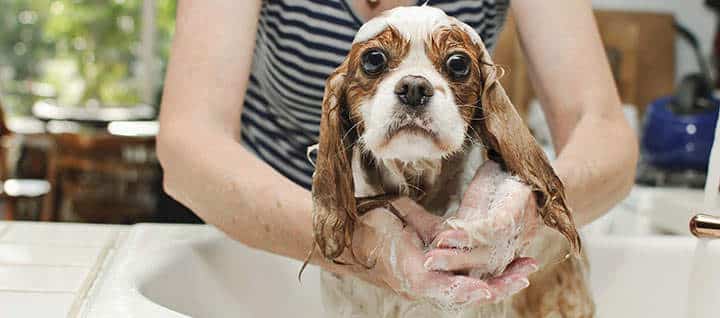
How to Wash Your Dog Safely in a Pet-Friendly Café Sink
Imagine this: you’re at your favorite pet-friendly café, enjoying a latte while your furry friend relaxes nearby. Suddenly, your dog gets a little muddy after a playful romp in the park, and you realize it’s time for a quick wash — but you’re in a public space. No worries! Many pet-friendly cafés now offer specially designated sinks designed to handle quick, safe dog washes, making it convenient for pet owners to keep their pups clean without the hassle of going home.
However, washing your dog in a café sink requires some care and preparation to ensure your pet’s safety and comfort. This article will walk you through everything you need to know—from preparing your dog and the sink, gathering supplies, to the actual washing process, and post-wash care. Whether your dog is a seasoned bath-taker or a nervous newcomer, these tips will help you make the experience safe, stress-free, and even enjoyable for both of you.
Preparing Your Dog and the Café Sink for a Safe Wash
Before you even turn on the water, it’s crucial to prepare your dog mentally and physically for the bath. Dogs can be sensitive to unfamiliar environments and new experiences, so gentle reassurance and gradual introductions are key. Spend a few minutes petting your dog, speaking softly, and explaining what’s about to happen, which helps reduce anxiety. If your dog is particularly nervous, consider bringing along a favorite toy or treat as a calming incentive.
Next, assess your dog’s size, coat type, and temperament to tailor the washing process. Small or medium-sized dogs are usually easier to handle in a café sink, while larger breeds might require additional help or even a different setup. Always check that your dog is healthy—avoid bathing if your pet is feeling unwell, has skin infections, or open wounds—because water and soap could exacerbate these issues. If your dog is prone to anxiety, consult your veterinarian beforehand or consider training exercises to help them become more comfortable with baths.
Finally, inspect the café sink itself. Pet-friendly café sinks are generally designed to be safe and comfortable, but it’s worth checking for any sharp edges, slippery spots, or loose fixtures that could cause injury. Ensure the water temperature control is functioning properly and that the area around the sink is free of clutter. A calm environment with minimal noise and distractions will help your dog feel safer during the wash. Remember, your calm demeanor and gentle approach are infectious—your dog will pick up on your confidence and relax more easily.
Gathering Necessary Supplies and Setting Up the Pet-Friendly Washing Area
Preparation is key to a smooth and safe dog-washing experience in a café sink. Gather all necessary supplies beforehand to avoid scrambling during the process — this includes dog-specific shampoo, a non-slip mat, a cup or spray nozzle for rinsing, towels, and perhaps a brush or comb. Use pet-friendly shampoos that are gentle on your dog’s skin and free from harsh chemicals or fragrances, especially if your pooch has sensitive skin. Keep in mind that human shampoos are not suitable, as they can cause irritation.
Setting up the washing area involves creating a comfortable space for your dog. Place a non-slip mat inside the café sink to prevent slipping and to give your dog a sense of security. If the café sink has adjustable height, set it at a comfortable level so you can stand or kneel without strain. Keep towels and drying supplies within arm’s reach so you can quickly dry your dog after the wash. If possible, attach a gentle spray or hand-held showerhead to make rinsing easier and more controlled.
Additionally, consider environment factors: if the café is noisy or crowded, try to choose a quieter time or a less busy corner for your dog’s bath. Using calming scents like lavender on a towel or diffuser nearby can also help ease your pet’s nerves. Remember, the goal is to make the experience as stress-free as possible — a clean, happy pup is the reward for your prep work.
Step-by-Step Guide to Washing a Dog in a Café Sink
Start by gently placing your dog into the prepared sink, supporting their body securely and calmly. Use treats and soothing words to help them feel at ease, and avoid sudden movements that might startle them. Once your dog is comfortably in the sink, gently wet their coat with lukewarm water—never hot, as it can burn or distress your pet. Use a cup or spray nozzle to control the water flow, avoiding the face and ears unless your dog is comfortable with it.
Apply a small amount of pet-safe shampoo, starting from the neck downward, and work into a gentle lather. Be thorough but gentle, paying attention to areas like paws, underbelly, and behind the ears. Use your hand or a soft brush to help distribute the shampoo evenly and remove loose fur and dirt. When rinsing, make sure to remove all soap residue, as leftover shampoo can cause irritation or itching. Rinse thoroughly using the cup or spray, ensuring water flows away from the face to avoid getting water and soap into your dog’s eyes, nose, or ears.
Finally, carefully lift your dog out of the sink, supporting their body and using a towel to gently pat them dry. If your dog tolerates it, you can use a blow dryer on a low, cool setting to speed up drying, but only if your pet is comfortable with the noise and sensation. Always supervise your dog throughout the process, paying attention to signs of stress or discomfort, and take breaks if needed. Remember, patience and calm handling are key — a quick, rushed bath can increase your dog’s anxiety, while a gentle, step-by-step approach helps foster trust.
Tips for Ensuring Comfort and Safety During the Dog Wash
Keeping your dog comfortable and safe during a bath in a café sink hinges on your ability to read their cues and provide a soothing experience. Keep water temperature just warm enough—not too hot or cold—and test it with your wrist before applying it to your dog. Sudden changes in temperature or water pressure can frighten or irritate your pet. If your dog shows signs of distress, such as trembling, whining, or trying to escape, pause and offer reassurance—sometimes just a few minutes of calm can make a difference.
Use positive reinforcement throughout the process. Praise your dog with gentle words and treats when they cooperate or remain calm. This builds a positive association with the bathing experience. Avoid yelling or forcing your dog into the sink, as this can increase fear and resistance. If your dog is particularly anxious, consider starting with short, frequent sessions rather than one long bath. Remember, never leave your dog unattended in the sink, especially if they are nervous or prone to slipping.
Safety also involves ensuring the environment minimizes risks. Keep the floor dry to prevent slipping and falling, and stay close to supervise your pet at all times. Be mindful of the shampoo and cleaning products used, ensuring they are pet-safe and rinsed out thoroughly. After the bath, observe your dog for any signs of discomfort or skin irritation, and consult a veterinarian if needed. Creating a calm, gentle atmosphere and respecting your dog’s limits are the best ways to turn a potentially stressful task into a positive experience.
Post-Wash Care and Drying Techniques for a Clean and Happy Pet
Once the wash is complete, dry your dog thoroughly to prevent chills and skin irritation. Use soft, absorbent towels to gently pat your pet dry, especially in sensitive areas like the ears, paws, and belly. Avoid vigorous rubbing, which can cause discomfort or skin damage. If your dog tolerates it, a blow dryer on a cool or low heat setting can speed up the drying process, but always keep the dryer moving and maintain a safe distance to prevent burns or noise-related stress.
After drying, brush your dog’s coat to remove any remaining loose fur, prevent matting, and distribute natural oils for a healthy shine. This is also a good time to check your pet’s skin for any abnormalities, such as redness, bumps, or irritation. Reward your dog with praise and treats for their patience and cooperation during the entire process, reinforcing a positive experience. If your dog has a long or thick coat, consider trimming or brushing regularly to reduce future bathing time and keep their coat in good condition.
Post-bath cuddles and praise are essential to reassure your dog and reinforce that bath time is a positive experience. Keep your dog warm and comfortable in a cozy spot until they are fully dry. Offer water and perhaps a tasty treat as a reward for being a good sport. Finally, clean and disinfect your supplies and the café sink area if possible, to maintain hygiene for future pets and ensure a safe environment for everyone.
In Conclusion
Washing your dog in a pet-friendly café sink can be a practical, stress-free way to keep your furry friend clean while out and about. The key is careful preparation, from understanding your dog’s needs to setting up a safe environment. Using the right supplies, gentle handling, and positive reinforcement makes the process smooth and safe. Remember, patience and calmness are your best tools to help your dog feel secure and comfortable during their bath.
By following these detailed steps and tips, you can turn what might seem like a challenging task into a bonding experience that your pet will associate with safety and care. So next time your dog gets a little muddy at the park, you’ll be ready to give them a quick, safe wash in that pet-friendly café sink — keeping them happy, healthy, and fresh, no matter where you are.