


How to Wash Your Dog with Natural Clay Shampoo: A Simple Guide
Giving your dog a bath may seem straightforward, but choosing the right products and techniques can make a big difference in your pet’s comfort and health. Natural clay shampoo is gaining popularity for its gentle yet effective cleansing properties, especially suited for dogs with sensitive skin or allergies. If you’re curious about how to incorporate this eco-friendly, skin-friendly option into your grooming routine, you’re in the right place. In this guide, we’ll walk you through everything you need to know—from understanding the benefits of natural clay shampoo to step-by-step instructions on making bath time safe, effective, and even enjoyable for your furry friend.
Whether you’re a seasoned dog owner or new to natural grooming products, this article will provide practical tips, scientific insights, and useful advice to help you master the art of washing your dog with natural clay shampoo. Let’s dive into why this natural alternative could be a game-changer for your pet’s hygiene and overall wellbeing.
Understanding the Benefits of Natural Clay Shampoo for Dogs
Natural clay shampoos are made primarily from mineral-rich clays like bentonite, kaolin, or French green clay, each known for their remarkable skin and coat benefits. These clays are gentle, non-toxic, and packed with natural properties that support healthy skin and a shiny coat. One of the main reasons pet owners are turning to clay shampoos is their ability to naturally detoxify, absorb excess oils, and soothe irritated skin without harsh chemicals or synthetic fragrances commonly found in commercial shampoos.
Research shows that certain types of natural clay can help draw out toxins, dirt, and impurities from a dog’s coat while maintaining the skin’s essential oils. This makes clay shampoo especially beneficial for dogs with allergies, sensitive skin, or those prone to dermatitis. Additionally, natural clay shampoos often contain soothing ingredients like aloe vera, chamomile, or oatmeal, which further enhance their gentle cleansing and healing properties. Using such products can help reduce itching, redness, and irritation, leaving your dog feeling comfortable and refreshed.
Another advantage is their eco-friendly and sustainable nature. Unlike conventional shampoos that may contain chemicals harmful to aquatic life and the environment, natural clay shampoos are biodegradable and free from synthetic parabens, sulfates, and artificial fragrances. This makes them a safer choice not only for your dog but also for the planet. Plus, many clay shampoos are cruelty-free and produced with ethically sourced ingredients, aligning with environmentally conscious pet owners’ values.
Preparing Your Dog and Bathing Area for the Wash
Before you start washing your dog with natural clay shampoo, proper preparation is key to ensuring a smooth, stress-free experience. First, choose a comfortable, safe bathing spot—this could be a bathtub, a yard, or a specially designed dog washing station. Make sure the area is slip-resistant to prevent your dog from slipping and getting anxious. If bathing outside, opt for a shaded spot to keep your dog cool and prevent overheating, especially during warmer months.
Next, gather all your supplies before beginning the bath. You’ll need your natural clay shampoo, a few towels, a gentle brush, and possibly a detachable showerhead or a cup for rinsing. Having everything within reach helps keep the process smooth and prevents leaving your dog alone or moving away during crucial steps. It’s also wise to have treats and praise ready to reward your dog, encouraging positive associations with bath time.
Before applying the shampoo, give your dog a thorough brush to loosen dirt, mats, and loose fur. This step not only helps in cleaning but also prepares the coat for better shampoo penetration. Ensure your dog is calm and relaxed—talk softly, pet gently, and make the environment as comforting as possible. If your dog is nervous about baths, consider introducing a few familiar routines or calming sprays beforehand to ease anxiety. Proper preparation reduces stress for both you and your furry friend, making the bath a better experience overall.
Step-by-Step Guide to Applying Natural Clay Shampoo
Applying natural clay shampoo correctly ensures effective cleansing while protecting your dog’s skin and coat. Start by thoroughly wetting your dog’s coat with lukewarm water. Be gentle with the water flow around the face, ears, and sensitive areas to prevent discomfort or water ingress into the ears. Once the coat is damp, take a small amount of clay shampoo and lather it between your hands. Remember, a little goes a long way—most natural clay shampoos are concentrated, so start with a modest amount.
Begin applying the shampoo at your dog’s neck and work your way down the body, massaging gently to distribute it evenly. Pay special attention to areas prone to dirt buildup or irritation, such as underarms, groin, and paws. Use your fingertips or a soft brush to massage the shampoo into the coat, ensuring it reaches the skin and helps lift dirt and excess oils. If your dog has a thick or long coat, consider sectioning it to make sure the shampoo covers all areas thoroughly.
For the face and sensitive areas like the eyes, ears, and nose, avoid direct contact with the shampoo. Instead, use a damp cloth or your fingers to clean these delicate zones carefully. Once you’ve thoroughly applied the shampoo, give your dog a gentle massage for a few minutes to allow the clay’s natural properties to work. This not only enhances the cleaning process but also provides a relaxing experience for your pet. Remember to be patient, calm, and gentle throughout to encourage your dog’s cooperation.
Tips for Rinsing and Drying Your Dog Safely and Effectively
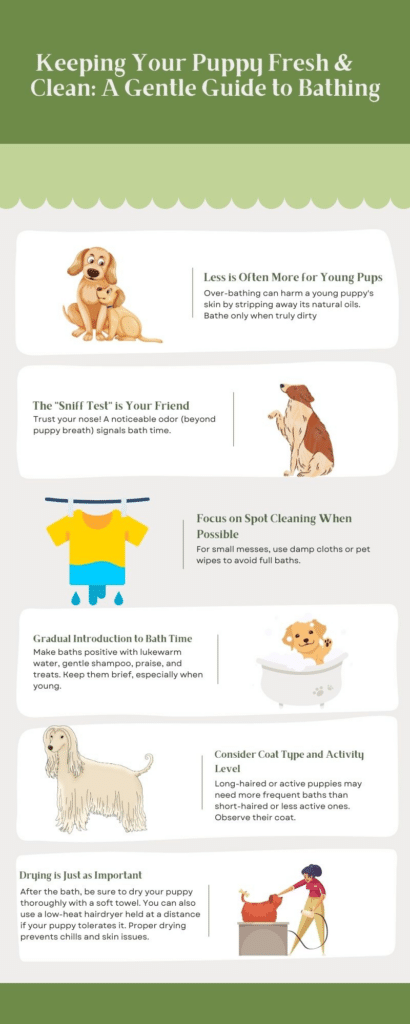
Proper rinsing is crucial to remove all traces of the natural clay shampoo, leaving your dog’s coat clean, soft, and free of residue. Use lukewarm water and a detachable showerhead or a gentle pour with a cup to rinse thoroughly. Start at the head and work your way down, ensuring that no shampoo remains in the coat, especially in the underarms, groin, and behind the ears. Take your time to double-check these areas, as leftover residue can cause irritation or dry out the skin.
For dogs with thick or long coats, consider rinsing in sections to prevent any shampoo from lingering. Be cautious around sensitive areas like the face and ears—use a damp cloth or your hand to gently wipe these regions if needed. After rinsing, gently squeeze out excess water from the coat without tugging or pulling, which can be uncomfortable for your dog. Pat the coat dry with a soft towel, avoiding vigorous rubbing that can cause matting or skin irritation.
Drying your dog properly is equally important to prevent chills or skin issues. If your dog tolerates it, you can use a blow dryer on a low, cool setting, keeping it at a safe distance to avoid overheating. Many dogs find the sound and sensation of a blow dryer soothing; if your pet is nervous, start with short sessions and praise generously. Alternatively, air drying in a warm, draft-free space is sufficient for most coats. Ensuring your dog is completely dry after the bath helps maintain healthy skin and keeps unpleasant odors at bay.
Maintaining Your Dog’s Coat and Skin Health Post-Bath
After giving your dog a bath with natural clay shampoo, ongoing coat and skin care are vital for long-term health and comfort. Regular grooming helps distribute natural oils across the coat, keeping it shiny and healthy. Use a gentle brush suitable for your dog’s coat type—pin brushes for long-haired breeds, slicker brushes for short-haired or curly coats—to remove loose fur and prevent matting. Regular brushing also stimulates blood circulation and spreads the natural moisturizing oils produced by the skin.
In addition to grooming, consider integrating skin-boosting supplements or balanced diets rich in omega fatty acids, which support a healthy coat and reduce inflammation. If your dog has skin sensitivities or allergies, consult your vet to develop a tailored care plan that may include medicated or hypoallergenic products, alongside natural treatments like aloe vera or coconut oil applied topically. Remember, maintaining a consistent routine of gentle cleansing, proper nutrition, and regular grooming is key to keeping your dog’s coat looking its best.
Lastly, pay close attention to your dog’s overall skin condition. If you notice persistent dryness, redness, or excessive scratching even after baths, seek veterinary advice. Sometimes underlying health issues may require specialized treatment, but in many cases, a balanced approach involving natural, gentle products like clay shampoo can significantly improve your dog’s skin health. By nurturing your pet’s coat and skin with proper post-bath care, you reinforce their comfort, happiness, and well-being.
Conclusion
Washing your dog with natural clay shampoo is an excellent way to promote healthy skin, a shiny coat, and overall wellbeing in an eco-friendly and gentle manner. From understanding the unique benefits of mineral-rich clays to preparing your dog and bathing environment properly, each step plays a crucial role in ensuring a positive grooming experience. When applying the shampoo, patience and care make all the difference—massage gently, rinse thoroughly, and dry carefully to keep your dog comfortable and happy.
By maintaining a consistent post-bath routine that includes proper grooming, nutrition, and skin monitoring, you can help your furry friend enjoy a clean, healthy coat for years to come. Embracing natural grooming products like clay shampoo not only benefits your pet but also aligns with a more sustainable lifestyle. With these practical tips and insights, you’re ready to make bath time a simple, soothing, and beneficial experience for your beloved dog.