


How to Safely Wash a Dog with Sunburned Skin: Tips & Best Practices
Caring for a dog with sunburned skin can be a challenging and delicate process. Sunburns not only cause discomfort but can also lead to more severe skin issues if not managed properly. If your furry friend has been enjoying the sun a bit too much and is now showing signs of a burn, it’s essential to understand how to clean and care for their sensitive skin safely. This article will guide you through understanding sunburned skin in dogs, preparing for gentle bathing, selecting the right products, and providing post-bath care to promote healing and comfort.
Understanding Sunburned Skin in Dogs: Causes, Symptoms, and Risks
Sunburn in dogs typically occurs when their skin is exposed to ultraviolet (UV) rays for extended periods, especially in breeds with short or light-colored fur, thin coats, or exposed areas like the nose, ears, or belly. Certain breeds such as Greyhounds, Bull Terriers, or Doberman Pinschers are more prone to sunburn due to their skin type and coat color. Understanding what causes sunburn is the first step in preventing further harm and providing effective care.
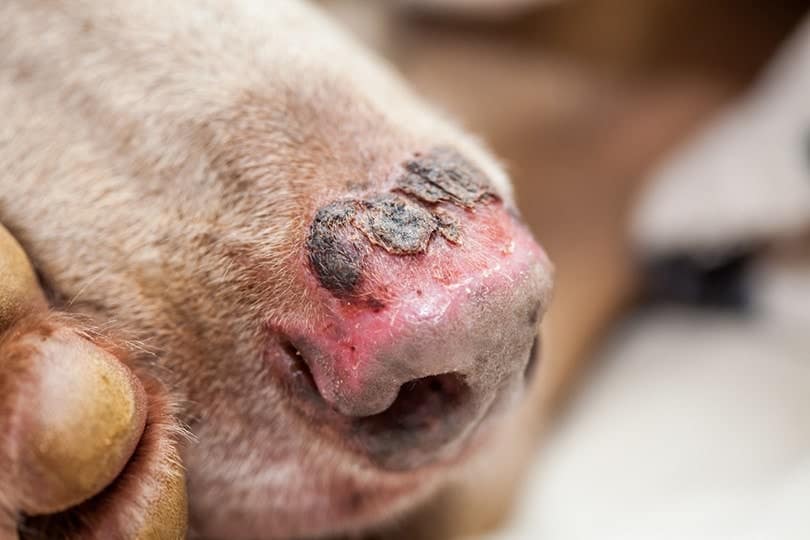
The symptoms of sunburn in dogs can vary, but common signs include redness and inflammation, peeling or flaking skin, blistering, and in severe cases, open wounds or ulcers. Dogs may also exhibit signs of discomfort such as excessive licking, scratching, or avoiding sun exposure altogether. It’s crucial to recognize these symptoms early because sunburn can lead to more serious issues like skin infections, pain, and even an increased risk of skin cancer over time. Consulting your veterinarian is advisable for proper diagnosis and treatment if you suspect a severe burn.
If left untreated, sunburned skin can become infected or inflamed, leading to increased pain and delayed healing. The heat and inflammation may cause your dog to become more irritable, and in some cases, sunburns can exacerbate existing skin conditions. Protecting your dog from further sun exposure during the healing process is vital, especially since their skin remains sensitive and vulnerable to additional damage. Implementing appropriate care and preventive measures can help your dog recover comfortably and minimize future risks.
Preparing for a Gentle and Safe Dog Bath to Promote Healing
Before bathing a dog with sunburned skin, preparation is key to ensuring the process is safe and effective. First, choose a calm, quiet environment to reduce stress and anxiety for your dog. Make sure the bathing area is warm, as cold or drafty spaces can exacerbate discomfort. Gather all necessary supplies—such as a gentle, dog-specific shampoo, soft towels, and possibly a cooling pad or damp cloth—to streamline the process and minimize handling time.
It’s essential to assess your dog’s overall health and skin condition before starting the bath. If your dog is in severe pain or shows signs of infection, consult your veterinarian first. For mild sunburns, you should proceed with extra caution: keep the bath lukewarm, as hot water can aggravate inflamed skin. Avoid using any harsh soaps, disinfectants, or human shampoos that can strip the skin’s natural oils or cause irritation. Instead, opt for products specifically formulated for sensitive or damaged skin.
During preparation, consider trimming any matted fur around the affected areas to prevent further irritation and allow better access to the skin. Also, perform a quick patch test with a small amount of the chosen shampoo on a less affected area to check for any adverse reactions. Remember to keep your dog calm and gently handle their sensitive skin throughout the process, using soothing voice tones and gentle strokes. Proper preparation minimizes stress and reduces the risk of further skin damage during the bathing process.
Selecting the Appropriate Dog-Friendly Shampoo for Sunburned Skin
Choosing the right shampoo is crucial when washing a sunburned dog, as the goal is to soothe and promote healing without causing additional irritation. Look for shampoos labeled as hypoallergenic, pH-balanced for dogs, and free from harsh chemicals such as parabens, dyes, or artificial fragrances. Many pet brands offer formulations designed specifically for sensitive, inflamed, or damaged skin, often containing soothing ingredients like aloe vera, oatmeal, or coconut oil.
Aloe vera has natural anti-inflammatory and moisturizing properties that help reduce redness and promote skin healing. Oatmeal-based shampoos are another excellent choice, as they gently soothe irritation and provide relief from itching or discomfort. Coconut oil-infused shampoos can also help hydrate dry, damaged skin while supporting the skin’s natural barrier. Always read product labels carefully and opt for vet-recommended or trusted brands to ensure safety and efficacy.
If your dog’s sunburn is severe or accompanied by open wounds, consult your veterinarian before selecting a shampoo. They may recommend medicated or specially formulated products to prevent infection and facilitate healing. Remember that less is more—using a mild, gentle shampoo in small amounts can go a long way in cleaning without over-drying or further irritating sensitive skin. Proper product selection is a vital step toward providing comfort and supporting your dog’s skin recovery.
Step-by-Step Guide to Washing a Dog with Sunburned Skin Without Causing Further Irritation
Washing a sunburned dog requires patience, gentle techniques, and attentiveness to their comfort. Begin by gently brushing your dog’s coat to remove loose fur and debris, which can help prevent tangling and make the bathing process smoother. When ready, place your dog in a warm, draft-free area and use lukewarm water—never hot—to wet their coat thoroughly, avoiding excessive water pressure over the affected areas.
Apply a small amount of the chosen gentle shampoo, lathering softly with your fingertips rather than scrubbing vigorously. Focus on cleaning around the affected areas without overwhelming the skin with too much scrubbing or rubbing. Allow the shampoo to sit for a couple of minutes—if the product instructions suggest this—to maximize its soothing effects, then rinse thoroughly with lukewarm water. Ensure all shampoo residue is rinsed out, as leftover soap can further irritate sensitive skin.
After rinsing, gently pat your dog dry with a soft towel—do not rub vigorously, as this can damage inflamed skin. If your dog tolerates it, you may use a handheld fan on a low setting or a blow dryer set to cool to help dry their coat, avoiding heat which can worsen inflammation. Throughout the process, be attentive to signs of discomfort or pain, and stop immediately if your dog shows distress. The goal is to keep the experience as calm and gentle as possible, promoting healing without causing additional irritation.
Post-Bath Care and Sun Protection Strategies to Support Skin Recovery
After bathing, your dog’s skin needs extra care to heal properly and prevent further sun damage. Apply a vet-recommended soothing ointment or moisturizer that contains ingredients like aloe vera or calendula, which can help reduce inflammation and provide a protective barrier. Keep your dog indoors or in shaded areas during peak sun hours—typically between 10 a.m. and 4 p.m.—to prevent additional UV exposure that can worsen the burn.
Monitoring your dog closely in the days following the bath is essential. Watch for signs of worsening irritation, swelling, bleeding, or signs of infection such as pus or foul odor. If any of these occur, consult your veterinarian promptly. To support the healing process, ensure your dog stays well-hydrated and avoid any unnecessary exposure to harsh environments or rough surfaces that could traumatize their sensitive skin. A gentle, protective environment fosters healing and reduces discomfort.
Implementing sun protection strategies is critical for ongoing recovery. Consider applying pet-safe sunscreens specifically formulated for dogs to exposed areas, especially if your dog must go outside. Use UV-protective clothing or doggy shirts to shield vulnerable skin from harmful rays. Remember, prevention is always better than cure—regularly applying sun protection and limiting outdoor time during peak hours can help prevent future sunburns and safeguard your dog’s overall skin health.
In Conclusion
Caring for a dog with sunburned skin requires a thoughtful, gentle approach that prioritizes their comfort and healing. Understanding the causes and symptoms of sunburn helps you take preventive measures and recognize issues early. Preparing a calm, warm environment for bathing, selecting the right gentle shampoo, and applying proper bathing techniques ensure you don’t inadvertently cause more irritation. Post-bath care, including soothing treatments and sun protection strategies, plays a crucial role in your dog’s recovery process.
Remember, patience and consistency are key. If your dog’s condition worsens or doesn’t improve, seeking veterinary advice is essential. By following these best practices, you can help your furry friend recover comfortably and prevent future sun-related skin issues. Protecting your dog from sun exposure and using gentle, nourishing products not only aids healing but also contributes to their overall well-being and happiness.