


How to Bathe a Dog That Keeps Running Away: Tips for a Stress-Free Bath
Bathing your dog can sometimes feel like a daunting task, especially if your furry friend is the type to run away, shake off, or resist every step of the process. Many dog owners face frustration when their pets refuse to stay still or try to escape, turning what should be a routine hygiene task into a stressful ordeal for both of you. But don’t worry—there are effective strategies to make bath time smoother, safer, and even enjoyable for your dog. This article will guide you through preparing your dog and setting up the bath area, calming and comforting nervous pets, using positive reinforcement, preventing running away afterward, and handling post-bath care—all with the goal of creating a stress-free bathing experience.
Whether your dog is naturally anxious, overly energetic, or just not used to being bathed, understanding how to approach the process can make a significant difference. With patience, consistency, and the right techniques, you can turn bath time from a dreaded event into a bonding activity that keeps your dog clean and happy. Let’s dive into the essentials of a stress-free dog bathing routine.
Preparing Your Dog and Setting Up the Bath Area for Success
The foundation of a successful, stress-free dog bath starts with proper preparation and a well-thought-out environment. Before you even turn on the water, spend time getting your dog accustomed to the bathing area. Introduce your dog to the space gradually, allowing them to explore the bathroom or designated bathing spot at their own pace. Use positive reinforcement to encourage curiosity rather than fear—praise your dog, offer treats, or play with their favorite toy nearby. This helps to build positive associations with the area so that it doesn’t feel intimidating during bath time.
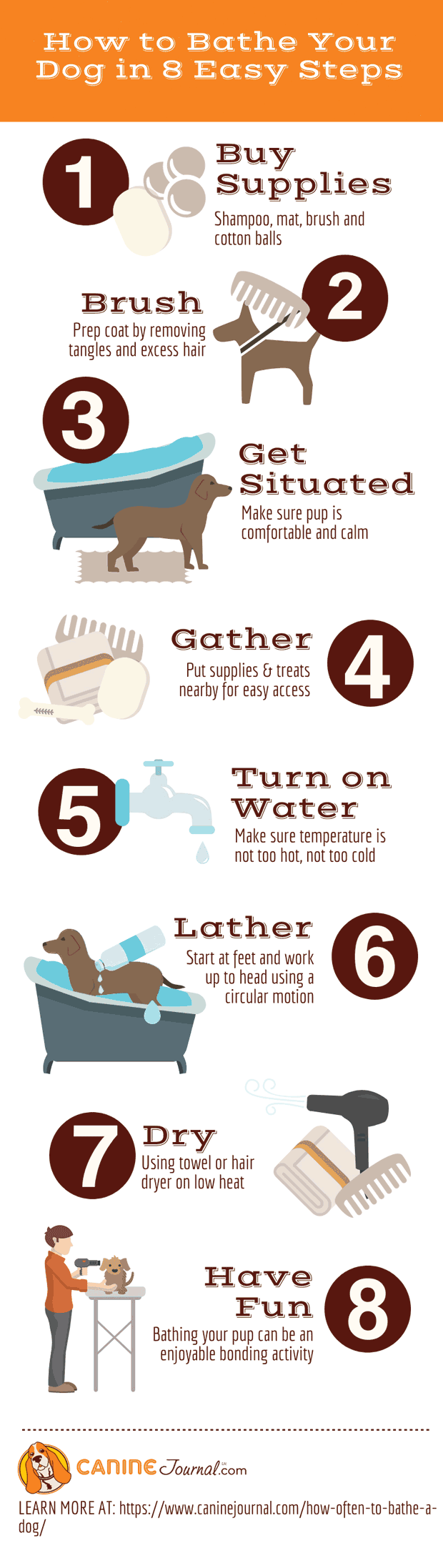
Next, gather all the supplies you’ll need beforehand. This includes dog shampoo suitable for your pet’s skin type, a non-slip mat, towels, a cup or sprayer for rinsing, and perhaps a leash or harness to assist with control. Having everything within arm’s reach minimizes the need to leave your dog unattended or search for items mid-bath, which could increase anxiety or lead to escape attempts. Additionally, consider using a grooming table with a non-slip surface if available—it provides a secure platform that minimizes slipping and gives you better control.
Timing is also key. Choose a time when your dog is relatively calm and not overly energetic or hungry. An exhausted or well-fed dog is more likely to tolerate bath time with patience. If your dog is particularly anxious, scheduling baths during quieter, less busy times at home can help reduce external stimuli. Remember, no matter how prepared you are, the environment should be calm, free of loud noises or sudden movements, which can trigger your dog’s desire to run away or become fearful.
Techniques to Calm and Comfort a Nervous or Evasive Dog During Bath Time
Understanding your dog’s emotional state during bath time is crucial for their comfort and safety. Many dogs resist baths because of past negative experiences, fear of water, or unfamiliar surroundings. To calm an anxious or evasive dog, start by speaking softly and using a reassuring tone. Gentle strokes and maintaining a relaxed demeanor can help convey that there is no threat. If your dog is visibly nervous, consider taking short, incremental steps—gradually introducing water, then wetting only parts of their body before moving to full immersion.
Using warm water at a comfortable temperature (not too hot or cold) can significantly reduce stress. Lukewarm water mimics the natural temperature of your dog’s skin and helps them feel more at ease. Avoid pouring water directly onto their face or ears initially; instead, use a cup or sprayer to gently rinse these areas. You can also try desensitization techniques, such as letting your dog sniff the shampoo and water beforehand, so they become familiar with the scents and sensations. Pair these steps with calm, consistent praise to reinforce positive feelings.
Another effective method is to incorporate calming aids, such as calming sprays, pheromone diffusers, or even music designed for relaxation. Some pet owners find that applying a calming scent or using calming collars prior to bath time can reduce anxiety. If your dog begins to struggle or try to escape, pause and give them some space, then try again once they calm down. Remember, patience is key—forcing your dog can increase resistance and make future baths more difficult. The goal is to create a safe, predictable environment where your dog feels protected.
Using Positive Reinforcement and Rewards to Encourage Cooperative Bathing
Positive reinforcement is one of the most effective ways to encourage your dog to cooperate during bath time. Reward-based training leverages your dog’s natural desire for treats, praise, and affection to foster good behavior. Before starting the bath, take some time to teach or reinforce basic commands like “sit,” “stay,” or “gentle,” which can be useful during the process. During bath time, reward your dog for calm behavior—whether it’s standing still, allowing water to be poured, or simply tolerating being touched.
Throughout the bath, give your dog small treats for each step they tolerate—handling paws, allowing water to rinse their body, or staying still in the tub. Use high-value treats that your dog really loves, and reward immediately after each positive behavior to create a clear association. Verbal praise and petting also work well, especially when combined with treats. For dogs particularly resistant or anxious, consider incorporating a favorite toy into the process, using it as a distraction or reward for staying calm.
Consistency is crucial in using positive reinforcement. Over time, your dog will associate bath time with positive outcomes rather than fear or stress. This method not only makes the experience more pleasant but also strengthens your bond. Remember to keep sessions short and positive—if your dog becomes overwhelmed, it’s better to pause and try again later rather than pushing through and causing more anxiety. Patience and persistence can turn bath time into a rewarding activity for both you and your dog.
Strategies to Prevent Running Away Post-Bath and Maintain Calmness
Once your dog is clean and dry, the challenge often shifts to preventing them from darting away or displaying signs of stress. Post-bath, many dogs feel vulnerable or playful, which can lead to running around wildly or attempting to escape. To prevent this, keep your dog on a leash or within a confined space until they’re calm and dry. Using a harness or tether can give you gentle control while allowing your dog some freedom of movement, reducing their urge to bolt.
Creating a quiet, comfortable environment for your dog to relax after the bath is also essential. Provide a cozy space with their favorite blanket or bed, and speak softly to reassure them. Some dogs may feel cold or exposed after a bath, so ensure they are thoroughly dried with a towel or blow dryer on a low, cool setting. Maintaining a consistent routine—such as offering treats, cuddles, or playtime afterward—can help reinforce calm behavior and create positive associations with baths.
Additionally, incorporating calming techniques immediately after bathing can help your dog transition smoothly. Gentle petting, massage, or even a brief walk can help burn off excess energy and reduce anxiety. If your dog tends to run away despite your efforts, consider practicing recall commands regularly and rewarding them for coming back promptly. Making the post-bath environment predictable and calming will encourage your dog to stay relaxed and obedient, reducing the likelihood of runaways or stress reactions.
Tips for Drying and Post-Bath Care to Reinforce Good Behavior and Reduce Anxiety
Drying your dog thoroughly and gently is an important step that can influence their overall comfort and future cooperation during baths. Use soft towels to pat them dry, rewarding calm behavior throughout the process. If your dog tolerates it, a blow dryer on a low, cool setting can speed up drying while also desensitizing them to noise and airflow. Keep the dryer at a safe distance and move it constantly to prevent discomfort. For nervous dogs, introducing the dryer gradually and associating it with treats can help reduce fear and resistance.
Post-bath care involves more than just drying; it’s an opportunity to reinforce positive behavior and reduce residual anxiety. Offer praise, treats, or cuddles once your dog is dry and calm, emphasizing that bath time is a safe, rewarding experience. If your dog shows signs of stress, practice calming techniques like gentle massage or quiet time in a familiar space. Keeping routines consistent, such as feeding or playtime after bathing, helps your dog understand that bath time is part of a normal, predictable schedule.
Finally, consider incorporating calming products like pheromone sprays or grooming gloves designed to reduce anxiety during drying and post-bath handling. Regular grooming and bathing can become a bonding activity if approached with patience and positive reinforcement. Over time, your dog will associate bath time with comfort and care, making future baths less stressful and more manageable. Remember, patience and consistency are your best tools to help your dog feel safe and secure during and after bath time.
Conclusion
Bathing a dog that keeps running away can be challenging, but with the right preparation, techniques, and attitude, it’s entirely possible to create a stress-free experience for both of you. Start by setting up a calm environment, introducing your dog gradually to the bathing area, and gathering all supplies beforehand. Use gentle, calming techniques and positive reinforcement to make your dog feel safe and loved throughout the process. Employing consistent commands, treats, and praise will encourage cooperation and help your dog associate baths with good things.
Post-bath strategies are just as important—keeping your dog calm and secure after the bath prevents running away and sets the stage for future positive experiences. Drying and post-care should be gentle, reinforcing good behavior and reducing anxiety. Over time, patience, consistency, and a positive attitude will help your dog feel more comfortable, making bath time a routine they can tolerate—and maybe even enjoy. Remember, a calm, well-prepared approach not only keeps your dog clean but also strengthens your bond and builds trust for many baths to come.