


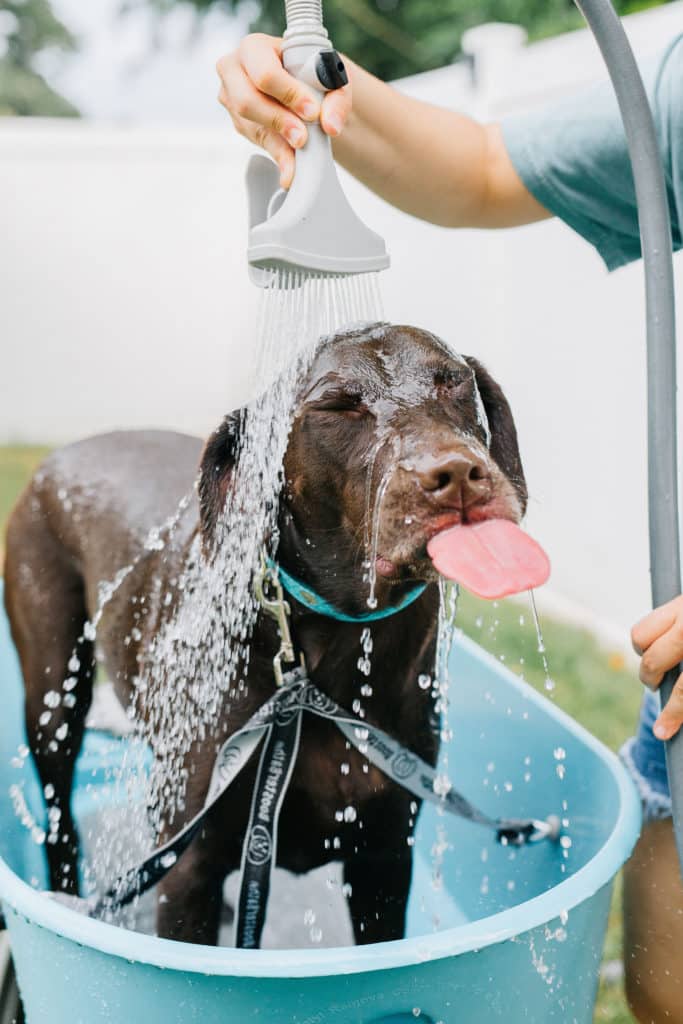
How to Wash Your Dog in an Elevated Tub: Tips for a Stress-Free Bath
Giving your dog a bath is an essential part of pet care that helps keep them clean, healthy, and happy. However, it can sometimes be a stressful experience for both you and your furry friend—especially if you’re using a traditional bathtub or sink. An elevated dog tub offers a practical, ergonomic solution that makes washing your dog easier, safer, and more comfortable. But knowing how to prepare and use an elevated tub effectively is key to creating a stress-free bath experience.
In this article, we’ll walk you through everything you need to know—from preparing the tub properly and gathering supplies to the step-by-step bathing process and post-bath care. Whether you’re a seasoned pet owner or new to bathing your dog in an elevated tub, these tips will help ensure the process is smooth, safe, and even enjoyable for your pup.
Preparing the Elevated Tub for Safe and Efficient Dog Washing
Before you start lathering your dog up, setting the stage with proper preparation is crucial. An elevated tub should be stable, clean, and positioned in a way that minimizes stress for both you and your dog. First, inspect your tub to ensure it’s sturdy and free from any cracks or sharp edges that could cause injury. If your tub has a non-slip surface or a textured bottom, this will help prevent your dog from slipping during the bath—something especially important for active or nervous dogs.
Next, consider the environment surrounding the tub. Place it in a location that gives you enough space to move around comfortably and where noise and distractions are minimized. Many pet owners opt for a laundry room, garage, or dedicated pet grooming area. Make sure the area is well-lit, ventilated, and contains easy access to water, towels, and supplies. Elevating the tub to an appropriate height ensures you don’t have to bend over awkwardly, reducing strain on your back and allowing you to maintain better control during the bath.
Finally, check the water temperature before filling the tub. Lukewarm water (around 90-100°F or 32-38°C) is ideal—hot enough to clean effectively but not so hot as to cause discomfort or burns. Using a waterproof, easy-to-access faucet or a gentle spray hose makes it easier to control water flow and temperature. Adding a non-slip mat inside the tub can further enhance safety, giving your dog secure footing as they stand during the bath. Proper setup now means less fuss later and a more relaxed bathing experience.
Gathering Supplies and Ensuring a Comfortable Environment for Your Dog
Having all your supplies ready before starting the bath saves time and reduces stress for your dog. Essential items include dog-friendly shampoo, conditioner (if needed), a large cup or sprayer for rinsing, towels, and possibly a grooming comb or brush. Using a gentle, pet-specific shampoo formulated for your dog’s coat and skin type helps avoid irritation. For dogs with sensitive skin or allergies, consider hypoallergenic or medicated shampoos recommended by your veterinarian.
Creating a calm, comfortable environment is equally important. Some dogs become anxious at the sound of running water or unfamiliar smells, so maintaining a soothing atmosphere can make a big difference. Play calming music or speak in soft tones to reassure your pet. Bringing along their favorite toy or treat can also help distract and motivate them. Additionally, ensure the space is free of clutter, and keep electrical cords or sharp objects out of reach. If your dog is particularly nervous, consider performing the bath in stages—gradually introducing water and shampoo—so they don’t feel overwhelmed.
Temperature management and safety are critical. Keep the room warm to prevent your dog from getting cold, especially if they will be sitting in water for a while. If you’re using a handheld sprayer, test the spray to make sure it isn’t too forceful or cold. For added comfort, consider placing a non-slip mat at the base of the tub and standing on a stable, non-slip surface yourself. These small steps can significantly reduce your dog’s anxiety and make the entire bathing process more manageable and less stressful.
Step-by-Step Guide to Washing Your Dog in an Elevated Tub
A structured approach ensures you cover all necessary steps while keeping your dog calm and cooperative. Start by gently placing your dog in the elevated tub and offering praise or treats to create positive associations. If your dog is nervous, speak softly and move slowly. Use a calm, reassuring voice throughout the process. Begin by wetting your dog’s coat gradually, starting from the neck down, using a sprayer or cup to control water flow. Avoid getting water directly into the ears, eyes, or nose to prevent discomfort and potential infections.
Once your dog is thoroughly damp, apply a generous amount of dog shampoo, working it into a lather from the neck to the tail. Use gentle, circular motions and be sure to clean sensitive areas, including the paws, belly, and underarms. For dogs with long or thick coats, a detangling or conditioning treatment might be beneficial. When bathing, take your time to ensure every part of your dog’s fur is cleaned, but avoid over-washing—generally, once every 4-6 weeks is sufficient unless your vet recommends otherwise.
The rinsing process is equally important. Use a sprayer or a cup to thoroughly rinse all the shampoo from your dog’s coat, ensuring no residue remains, which can cause skin irritation. Make sure the water runs clear and that you rinse the face carefully with a damp cloth, avoiding direct water spray into the eyes and ears. After rinsing, gently squeeze out excess water and consider applying a towel to absorb residual moisture. For long-haired breeds, a blow dryer set on low heat can help speed up drying, but always keep the dryer at a safe distance to prevent burns. Ending the bath with praise and treats helps your dog associate bath time with positive experiences.
Tips for Rinsing, Drying, and Post-Bath Care to Keep Your Dog Healthy and Happy
Proper rinsing is vital to removing all shampoo and preventing skin issues. After washing, spend extra time rinsing to ensure no soap remains, especially in sensitive areas like under the legs, around the neck, and behind the ears. Using a gentle, pet-safe conditioner can add extra moisture to your dog’s coat and skin, reducing dryness and irritation. Always follow the product instructions for use and rinse thoroughly. Once rinsing is complete, gently pat your dog dry with a towel, applying light pressure rather than rubbing vigorously to avoid damaging the coat or irritating the skin.
Drying your dog properly after a bath is crucial to prevent chills and skin problems. For most dogs, towel drying is sufficient, but longer-haired breeds or those with thick coats may benefit from blow drying on a low, cool setting. Keep the dryer moving constantly and maintain a safe distance to avoid overheating or burns. During drying, brush out the coat to prevent mats and tangles, which can trap moisture and lead to skin infections. If your dog shakes off water or seems uncomfortable, offer additional reassurance and take your time. Remember, a well-dried dog is less likely to develop hot spots or skin infections.
Finally, post-bath care is about maintaining your dog’s health and happiness. Check your dog’s skin for signs of irritation, dryness, or unusual bumps. If your dog has long hair, trim or brush it regularly to prevent mats and promote good airflow. Reward your dog with treats, praise, and gentle petting to reinforce positive associations with bath time. Consider applying a coat conditioner or paw moisturizer if your dog’s skin tends to be dry or sensitive. Regular grooming and bathing, combined with proper post-bath care, will help keep your dog looking and feeling their best, making future baths easier and more enjoyable.
Conclusion
Bathing your dog in an elevated tub can be a game-changer for both pet owners and dogs who find traditional baths stressful or inconvenient. Proper preparation, gathering supplies, and creating a calming environment set the foundation for a successful, stress-free experience. Following a step-by-step process—from wetting and shampooing to rinsing and drying—ensures your dog stays comfortable and clean without undue anxiety. Remember, patience, positive reinforcement, and attention to your dog’s individual needs are key to turning bath time into a pleasant routine. With these tips, you’ll not only keep your dog healthy and hygienic but also foster a trusting, loving bond that makes grooming sessions something to look forward to rather than dread.