


How to Wash a Dog Indoors Without a Drain: Easy Tips and Tricks
Giving your dog a bath at home is a great way to keep them clean, healthy, and happy. However, what happens when your indoor space doesn’t have an available drain or plumbing setup? Bathing a dog indoors without a drain might seem daunting at first, but with a bit of preparation and the right techniques, you can make it a smooth, stress-free experience for both you and your furry friend. In this article, we’ll walk you through everything you need to know—from preparing your space to handling water drainage and drying techniques—so you can confidently bathe your dog indoors without a drain.
Preparing Your Space and Gathering Necessary Supplies for Dog Washing Without a Drain
Getting ready before the bath is key to a successful indoor dog washing session, especially when you lack a drain. First, choose a space that is easy to clean and has enough room for you and your dog to move comfortably. Many pet owners opt for the bathroom, laundry room, or even a designated corner in the garage—anywhere that is easy to mop or wipe down afterward. Clear the area of any fragile or valuable items that could be knocked over or damaged by water.
Next, gather all the supplies you’ll need ahead of time to avoid scrambling mid-bath. Essentials include dog-friendly shampoo, a set of towels, a non-slip mat or matting to prevent slipping, a spray nozzle or a cup for rinsing, and waterproof covers or tarps to protect floors and furniture. Consider having a handheld showerhead or a detachable spray attachment if possible; this makes rinsing easier and helps direct water where needed. Additionally, keep a bucket, sponge, or cloth handy for cleaning up any spills, along with a waterproof mat or plastic sheeting to contain water runoff.
Finally, think about containment and water management. Since there’s no drain, you’ll want to create a temporary barrier or use a waterproof basin if possible. Placing towels or mats around the bathing area can help soak up excess water, reducing the risk of water damage or slipping. Having a plan for water disposal—such as using a wet/dry vacuum, mop, or a large container to collect and dispose of water—will save you headache later on. Preparing thoroughly makes your dog’s bath less stressful and keeps your indoor space cleaner.
Choosing the Right Location and Setting Up a Comfortable Bathing Area Indoors
Selecting the right spot for your dog’s bath is crucial for a comfortable and efficient experience. Ideally, the area should be easy to clean, have good drainage options nearby, and be free from obstacles. Many pet owners prefer the bathroom because it often has tile flooring and easy access to water, but laundry rooms or even a spare shower stall can work well. If space is limited, consider setting up a portable tub or basin that fits into a corner or on a sturdy table.
Once the location is chosen, set up your bathing area thoughtfully. Place a non-slip mat or rubber mat on the floor to prevent your dog from slipping, which can cause stress or injury. Use waterproof covers or plastic sheeting on the floor and surrounding areas to contain any water splashes and simplify cleanup. If you’re using a basin or a small tub, position it at a comfortable height—this minimizes bending and makes washing easier. Keep everything within arm’s reach, including shampoo, towels, brushes, and water spray devices, so you’re not scrambling during the bath.
Comfort is key to keeping your dog relaxed. Use soothing tones of voice, gentle handling, and treats to make the experience more positive. If your dog is prone to anxiety or dislikes baths, consider warming the room beforehand or adding calming scents (like lavender) to the environment. By carefully selecting and preparing your space, you’re setting the stage for a pleasant and effective indoor wash that won’t result in water damage or messiness.
Step-by-Step Guide to Washing Your Dog Safely and Effectively Without a Drain
Now that your space is prepared, it’s time to start the actual washing process. Begin by thoroughly brushing your dog to remove loose fur, mats, and dirt—this will make the bath more effective and reduce tangling. Next, gently wet your dog’s coat using a spray nozzle, cup, or damp cloth, taking care to avoid the face and ears unless you’re comfortable doing so. Use lukewarm water, as cold water can cause discomfort and hot water could burn your pet’s skin.
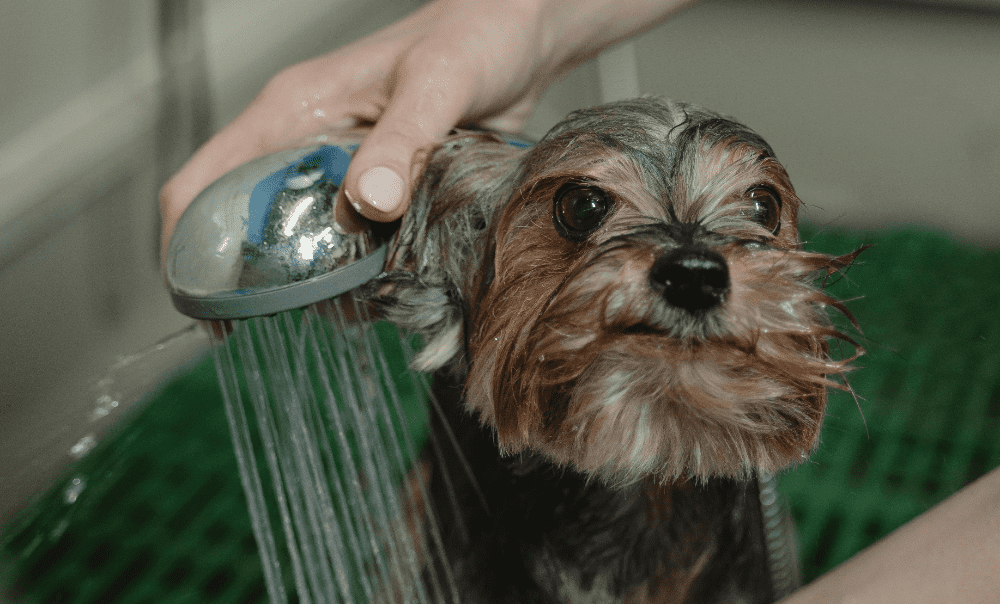
Apply a dog-specific shampoo, lathering gently from the neck down to the tail, avoiding the face. Be thorough but gentle, making sure to clean sensitive areas like paws, underarms, and behind the ears. When rinsing, use the spray nozzle or cup to carefully remove all shampoo residue. Here’s where having a handheld spray attachment becomes especially handy—direct the water stream carefully to prevent splashing outside the bathing area. Rinse thoroughly to avoid skin irritation, and consider giving your dog multiple rinses if needed.
After rinsing, gently squeeze out excess water before towel drying. Use absorbent towels to pat your dog dry—don’t rub vigorously, as this can cause matting or skin irritation. If your dog tolerates it, you can also use a pet-safe blow dryer on a low, cool setting to speed up the drying process. Throughout the procedure, stay calm and positive, offering treats and praise to keep your dog relaxed. Following these step-by-step tips ensures a safe, effective, and stress-free indoor bath even without a drain.
Handling Water Drainage and Drying Techniques in a Drainless Indoor Dog Bathing Situation
Without a drain, managing water runoff during and after your dog’s bath requires a bit of ingenuity. One effective method is to place a waterproof or absorbent mat underneath your bathing area to catch excess water. After rinsing, use a sponge, mop, or wet/dry vacuum to remove standing water from the floor—these tools are invaluable for quick cleanup. If you don’t have a wet vacuum, large towels can be used to soak up water; just be sure to wring them out into a bucket or sink.
Another trick is to create a temporary water containment system. For example, setting up a small, portable bathtub or basin with a slight incline can help direct water toward a designated collection point. If needed, use a mop or sponge to channel water into a container for disposal. For drying, after towel drying, consider using a pet-safe blow dryer on a low, cool setting, keeping the nozzle at a safe distance from your dog’s skin. This not only speeds up the drying process but also minimizes water drips and splashes around your space.
Finally, always have a plan for water disposal. If you’ve used a container or basin, pour the collected water into the sink, toilet, or outside drain—if accessible. For larger amounts, a wet/dry vacuum can be very effective. Ensuring proper handling of water runoff prevents water damage and keeps your indoor space dry and safe. With these techniques, you can manage water drainage effectively, even without a built-in drain, making indoor dog washing a manageable task.
Tips for Maintaining Cleanliness and Preventing Water Damage During Indoor Dog Baths
Keeping your home clean during an indoor dog bath is essential, especially when there’s no drain to handle water runoff. Start by laying down waterproof mats or plastic sheeting in the bathing area to catch splashes and spills. These coverings can be easily wiped or replaced after each bath. It’s also a good idea to keep cleaning supplies, such as towels, mops, or an absorbent sponge, nearby so you can quickly tidy up any messes as they happen.
Another important tip is to control water flow and splashing. Use a gentle spray or a cup for rinsing, and direct water streams carefully. Avoid hosing down your dog aggressively, which can cause water to splash outside the designated area. Using a handheld showerhead with adjustable pressure can help you control the water flow more precisely. Additionally, consider limiting water use to what’s necessary—this reduces the amount of water you need to manage afterward.
Lastly, after your dog’s bath, thoroughly clean and dry the area to prevent mold, mildew, or water damage. Wipe down surfaces, wash towels, and dry the floor if needed. Regularly inspecting your bathing setup for leaks or water pooling will help you catch problems early. With these tips, you’ll maintain a clean, safe indoor environment for your pet’s baths, making the process less stressful and more manageable.
Conclusion
Bathing your dog indoors without a drain might seem challenging at first, but with proper planning and techniques, it becomes a straightforward process. Preparing your space and gathering all necessary supplies sets the foundation for success, while selecting a suitable location and creating a comfortable environment keeps your dog calm. Following a step-by-step guide ensures a safe and thorough wash, and managing water drainage with simple tools prevents messes and water damage. Lastly, maintaining cleanliness through careful water handling and cleanup makes indoor baths practical and stress-free.
By implementing these tips and tricks, you’ll turn what might seem like a daunting task into an easy, stress-free routine that keeps your dog clean and healthy. Remember, patience, preparation, and a positive attitude are your best tools for making indoor dog bathing without a drain a hassle-free experience. Happy bathing!