


How to Safely Wash a Dog with Minor Burns or Scratches: Tips & Step-by-Step Guide
Caring for a dog with minor burns or scratches can be a delicate task that requires patience, knowledge, and gentle technique. Whether your furry friend has accidentally brushed against a hot surface, scraped a rough patch of ground, or sustained a minor burn during play, your immediate goal is to clean the wound safely and promote healing. Proper wound care not only prevents infection but also minimizes discomfort and speeds up recovery. In this article, we’ll walk through the essential steps to assess, clean, and care for your dog’s minor burns or scratches, ensuring they’re handled with the utmost safety and compassion.
Assessing the Severity of Minor Burns or Scratches on Your Dog
Before diving into cleaning or treating your dog’s wound, it’s critical to evaluate how serious the injury is. Minor burns and scratches might look alarming but are often manageable at home if you understand what signs to look for. First, examine the affected area carefully. Minor scratches typically appear as superficial abrasions or small cuts that may bleed slightly but do not involve deep tissue. They might be red, inflamed, or swollen but usually don’t cause significant pain or loss of function.
When assessing burns, look for redness, blistering, or peeling skin. Minor burns, such as first-degree burns, usually cause redness and pain but do not blister or involve deep tissue damage. Second-degree burns might include blister formation, while third-degree burns are more severe and involve tissue damage, often appearing white, charred, or leathery. If the burn or scratch is superficial—limited to the outer layer of skin—you can typically proceed with gentle cleaning and topical treatment. However, if the wound shows signs of deep tissue damage, significant swelling, open bleeding, or if your dog exhibits signs of severe pain, shock, or distress, it’s crucial to seek veterinary care immediately.
Additionally, observe your dog’s behavior. Excessive licking, whining, or reluctance to move can indicate pain or discomfort. If your dog is very young, elderly, or has underlying health issues, they may be more vulnerable to complications. Remember, when in doubt, consulting with your veterinarian is always the safest approach. Proper assessment ensures you don’t inadvertently worsen the injury or delay necessary medical treatment.
Preparing the Supplies and Environment for Safe Dog Wound Care
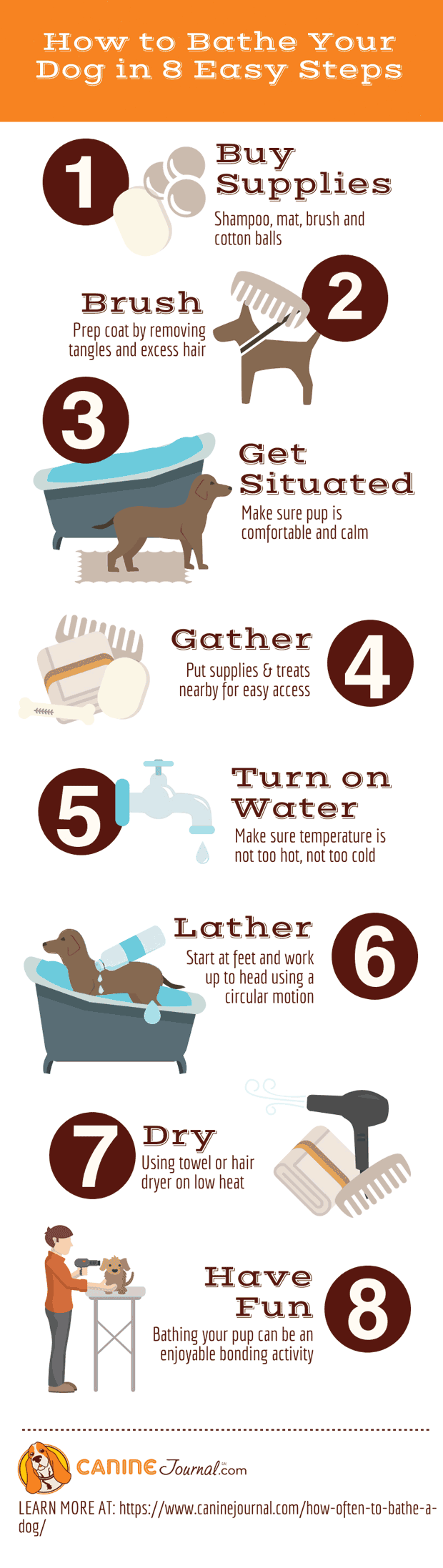
Creating a calm, clean, and well-prepared environment is essential before you start washing your dog’s wounds. Gather all necessary supplies beforehand to avoid unnecessary stress or hurried handling. Basic items include a gentle dog-safe antiseptic solution (like diluted chlorhexidine or saline solution), soft washcloths or gauze pads, clean towels, and a mild, tear-free dog shampoo. You might also want to have some veterinary-approved antibiotic ointments, sterile gloves, and scissors or tweezers for debris removal.
Choose a quiet, comfortable space where your dog feels secure—this could be on a non-slip surface like a rubber mat or a towel-lined table. Minimize distractions and keep soothing voices or calm commands handy to help your dog remain relaxed. Use warm but not hot water to avoid further irritation, and ensure the area is free from any potential hazards or sharp objects. If your dog struggles with being handled, enlisting a helper or using gentle restraint techniques can make the process smoother for everyone involved.
Sanitizing your environment is also critical, especially if the wound is exposed or dirty. Clean the area around the wound gently with a damp cloth or saline solution, removing dirt, debris, or loose fur. Avoid using harsh chemicals or alcohol directly on the wound, as these can cause additional tissue irritation. Having all your supplies organized and within reach will streamline the cleaning process, reduce your dog’s anxiety, and promote a safer, more effective wound care routine.
Gentle Cleaning Techniques for Dogs with Burns or Scratches
When it’s time to clean your dog’s wound, approach with patience and gentleness. Start by calming your dog with soothing words or treats, creating a positive association with the process. Use lukewarm water and a mild, dog-specific shampoo or saline solution to gently rinse the affected area. Avoid scrubbing aggressively; instead, lightly dab or wipe the wound with a soft cloth or gauze pad, ensuring debris and dirt are carefully removed without causing additional pain.
For scratches or superficial burns, a gentle cleansing can help prevent infection. If there is dried blood or dirt, soften it with a saline solution or a damp cloth before gently lifting it away. Be cautious around blistered or raw areas, as these are more sensitive. If necessary, use sterile tweezers or gauze to remove any embedded debris, but avoid digging or poking directly into the wound. After cleaning, pat the area dry with a clean towel—do not rub, as this can irritate the tissue further.
Throughout the cleaning process, keep an eye on your dog’s reactions. If they show signs of increased pain, agitation, or resistance, stop and give them time to relax. Using a calm voice, treats, or gentle petting can help ease their anxiety. Remember, the goal is to clean thoroughly without causing additional stress or injury. Regular, gentle cleaning minimizes bacterial growth, keeps the wound dry, and sets the stage for effective healing.
Applying Appropriate Ointments and Monitoring Healing Progress
After cleaning, applying an appropriate ointment can help protect the wound from infection and support healing. Use veterinarian-recommended topical antibiotics or healing ointments designed specifically for dogs—avoid human products or home remedies unless approved by your vet. Apply a thin layer of ointment directly on the cleaned wound, ensuring complete coverage without over-applying, which can trap dirt or delay healing.
Monitoring the wound’s progress is just as important as the initial treatment. Check it daily for signs of infection such as increased redness, swelling, pus, or a foul odor. Some mild swelling or redness can be normal initially, but if these symptoms worsen or if your dog starts to lick or bite the wound excessively, you may need to reapply ointments or seek further medical advice. Using an Elizabethan collar or pet cone can help prevent your dog from aggravating the wound through licking or scratching.
Keep the wound dry and protected during the healing process. Change dressings or reapply ointments as recommended by your vet, and maintain a clean environment for your dog. Proper wound monitoring ensures early detection of complications and promotes faster recovery. Remember, healing times vary depending on the severity of the injury, but with consistent care, most minor burns or scratches will improve within a few days to a week.
When to Seek Veterinary Assistance for Dog Burns and Scratches
While many minor wounds can be managed at home with proper care, some situations require prompt veterinary attention. If you notice signs such as deep cuts, large or bleeding wounds, burns with open tissue or blistering, or if the wound is near sensitive areas like the eyes, mouth, or genitals, professional evaluation is essential. Severe pain, swelling, or signs of infection—like pus, foul odor, or spreading redness—also warrant veterinary intervention.
Additionally, if your dog shows systemic symptoms like lethargy, loss of appetite, fever, or excessive swelling beyond the wound site, it could indicate an infection or more serious complication. Dogs with underlying health conditions, such as immune disorders or skin sensitivities, may require closer monitoring and specialized treatment. Remember, burns and scratches that don’t show signs of healing within a few days or that worsen despite home care should be examined by a veterinarian to prevent complications.
In cases of burns, especially if they cover a larger area or involve second or third-degree damage, professional treatment can include wound dressings, medications, or even surgical intervention. Always prioritize your dog’s wellbeing—when in doubt, consult with your vet to ensure your furry friend receives the right care and medication to recover safely and comfortably.
Conclusion
Caring for a dog with minor burns or scratches involves a careful assessment, gentle cleaning, and consistent monitoring. By understanding the severity of the injury, preparing the right supplies, and using gentle techniques, you can effectively support your dog’s healing process at home. Remember to apply appropriate ointments, watch for signs of infection or complications, and never hesitate to seek veterinary assistance when necessary. With patience and proper care, most minor wounds can heal quickly, leaving your dog comfortable and on the path to recovery. Your attentiveness not only helps prevent infections but also reinforces your dog’s trust and sense of security during healing.