

How to Wash Your Dog Without Causing Dry Nose Problems
Keeping your furry friend clean is an essential part of pet care, but it can sometimes come with unexpected challenges—like dry, cracked noses after a bath. A dog’s nose isn’t just a cute feature; it’s a vital sensory tool, helping them navigate their world, regulate body temperature, and even communicate. When bathing causes dryness or irritation, it not only affects your dog’s comfort but can also signal underlying skin issues or sensitivities.
If you’ve noticed your dog’s nose becoming dry, flaky, or cracked after baths, don’t worry—this article will guide you through understanding why it happens, how to choose the right products, and the best bathing practices to keep your dog’s nose healthy and moist. Whether you’re a first-time dog owner or a seasoned pet parent, these tips will help you turn bath time into a gentle, enjoyable experience that leaves your dog feeling fresh and comfortable, not dry or irritated.
Understanding Dry Nose Issues in Dogs During Bathing
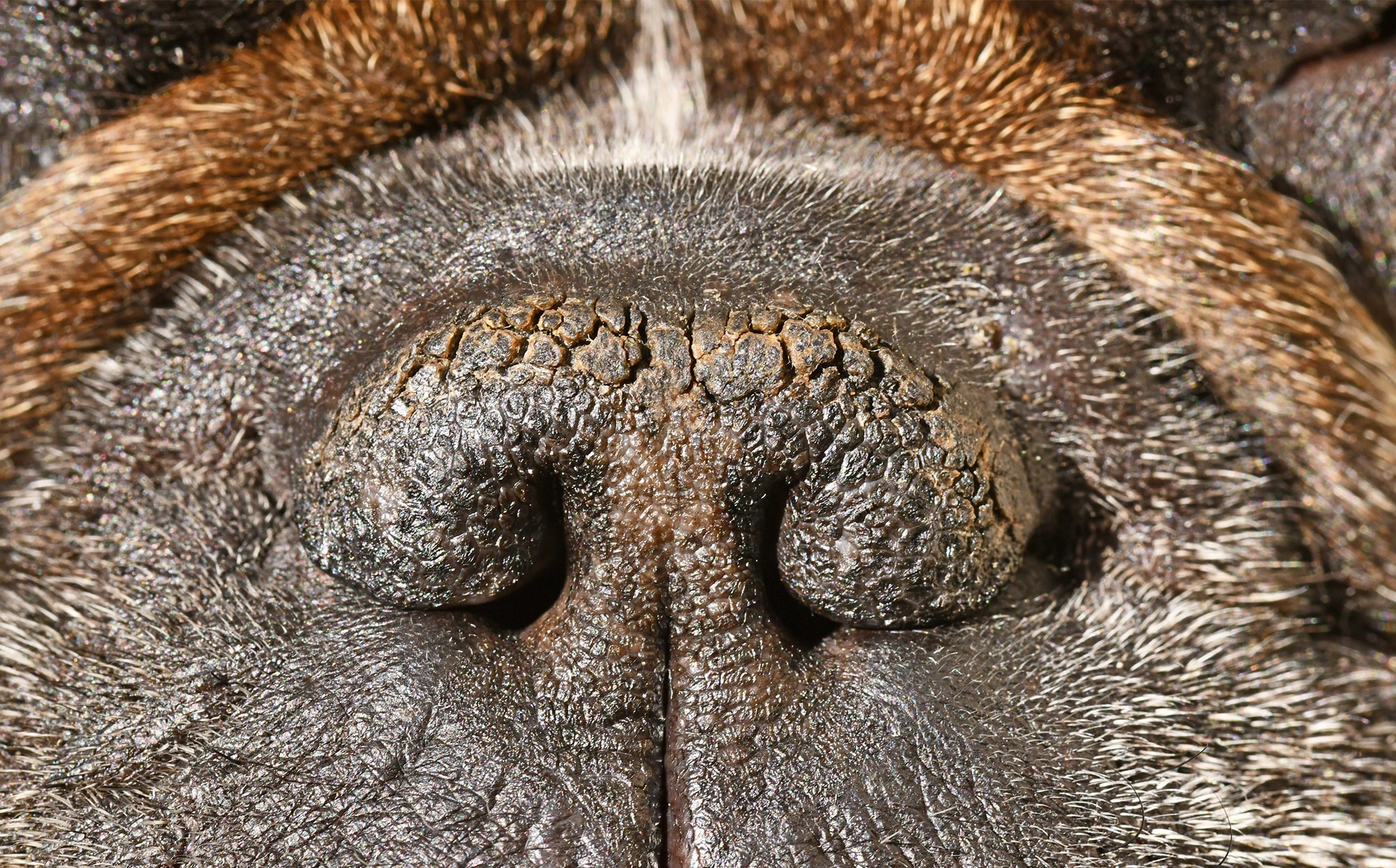
Many dog owners are surprised to find that their pet’s nose becomes dry or cracked following a bath. This isn’t just a cosmetic issue; it can be a sign of the skin’s natural response to certain bathing practices or products. The skin on a dog’s nose is particularly sensitive because it lacks hair and is made up of thin, delicate tissue that can easily become dry or irritated when exposed to harsh substances or environmental changes.
One common cause of dry noses post-bath is the use of shampoos that contain strong chemicals or artificial fragrances. These substances can strip away natural oils, leading to moisture loss and dryness. Additionally, excessive bathing or bathing in hot water can also dehydrate the skin and mucous membranes, further contributing to the problem. Environmental factors, like dry indoor air or cold weather, can exacerbate these effects, making the nose even more vulnerable after a bath.
It’s important to recognize that some breeds are more prone to dry noses due to their genetic makeup. For example, breeds with short noses (brachycephalic breeds) or those with naturally dry skin may experience more pronounced dryness after bathing. Understanding your dog’s unique skin type and sensitivities is essential in choosing the right bathing routine. Regularly inspecting your dog’s nose can help catch early signs of dryness or cracking, allowing you to take preventive measures before discomfort worsens.
Choosing the Right Dog-Friendly Shampoo and Bathing Products
Selecting the correct shampoo is a crucial step in preventing dry nose problems during and after your dog’s bath. Not all shampoos are created equal—many commercial formulas contain harsh chemicals, sulfates, parabens, or artificial fragrances that can strip natural oils from your dog’s skin and nose. Instead, opt for gentle, dog-specific shampoos that are formulated to maintain the skin’s natural moisture barrier.
Look for products labeled as hypoallergenic or designed for sensitive skin. Natural ingredients like oatmeal, aloe vera, chamomile, or coconut oil can soothe irritated skin and help preserve moisture. Additionally, avoid shampoos with alcohol or strong detergents, which can be drying and irritating, especially for the nose and face area. If your dog has specific skin conditions, consult your veterinarian for recommendations on medicated or specialized shampoos that can address dryness and irritation effectively.
Beyond shampoos, consider using conditioners or sprays designed to moisturize the skin and nose after bathing. Some pet-friendly products contain essential fatty acids or natural oils that help restore and maintain the skin’s barrier. Remember, always read the ingredient list carefully and choose products from reputable brands known for their safety and quality. By selecting the right bathing products, you’re giving your dog the best chance at a clean, comfortable, and moisture-rich nose.
Preparing Your Dog for a Gentle and Comfortable Wash
Preparation is key to ensuring your dog’s bath is a positive experience that minimizes stress and reduces the risk of dry nose problems. Start by brushing your dog thoroughly to remove loose fur, dirt, and tangles. This not only makes the bathing process easier but also helps prevent matting and skin irritation, which can contribute to dryness. If your dog has sensitive skin, consider using a gentle brush designed for delicate coats.
Create a calm environment before starting the bath. Use soothing voices or gentle petting to relax your dog and help reduce anxiety. Gather all necessary supplies—shampoo, towel, brush, and any moisturizers—within easy reach so you’re not rushing or leaving your dog unattended. If your dog is especially anxious, consider introducing the bathing area gradually, allowing them to associate it with positive experiences.
Temperature control is vital: use lukewarm water instead of hot or cold. Hot water can strip natural oils, drying out the skin and nose, while cold water can cause discomfort and stress. Also, avoid spraying water directly into your dog’s face or nose; instead, use a gentle, damp cloth or sponge to clean these sensitive areas. Proper preparation helps make bath time smoother and reduces the likelihood of adverse effects like dry nose issues.
Step-by-Step Guide to Washing Your Dog Without Causing Dry Nose Problems
Follow these step-by-step instructions to wash your dog effectively while protecting their nose from dryness:
-
Pre-Bath Grooming: Brush your dog thoroughly to remove loose fur and detangle any mats. This reduces the amount of dirt and debris that will be rinsed away during the bath.
-
Set Up a Calm Environment: Keep the bathing area quiet and reassuring. Use a non-slip mat in the tub or sink to prevent slipping and make your dog feel secure.
-
Use Lukewarm Water: Fill the tub with lukewarm water—approximately body temperature—to prevent dehydration of the skin and mucous membranes.
-
Gently Wet the Coat: Use a handheld sprayer or a cup to gently wet your dog’s coat, avoiding direct water spray on the face or nose. Focus on the body and legs first.
-
Apply Dog-Safe Shampoo: Dilute the shampoo if recommended, and lather gently, paying attention to folds or sensitive areas. Massage the shampoo into the coat without vigorous scrubbing to prevent irritation.
-
Clean the Face and Nose Carefully: Use a damp cloth with plain water or a specially formulated dog facial wipe to clean the face and nose. Avoid applying shampoo directly to these areas.
-
Rinse Thoroughly: Use clean, lukewarm water to rinse away all shampoo residue, ensuring no product remains that could cause dryness or irritation.
-
Dry Gently: Pat your dog dry with a soft towel—avoid rubbing vigorously. Use a blow dryer on a low, cool setting if your dog tolerates it, keeping the nozzle at a safe distance from the nose.
-
Apply Moisturizer if Needed: If your dog’s nose appears dry, consider applying a pet-safe moisturizer or a thin layer of coconut oil to help restore moisture.
By following these steps, you can keep your dog clean while protecting their nose from dryness and irritation, making bath time a positive experience for both of you.
Post-Bath Care and Tips to Maintain Healthy, Moisturized Noses
After the bath, proper post-care is essential to keep your dog’s nose healthy and moist. Start by gently patting their face and nose dry with a soft towel, avoiding vigorous rubbing that can cause irritation. Once dry, examine your dog’s nose for any signs of cracking, dryness, or redness, and address issues promptly.
Applying a pet-safe moisturizer or natural oils such as coconut or olive oil can help maintain moisture levels in the nose. These moisturizing agents form a barrier that prevents moisture loss and can soothe dry, chapped noses. Regular moisturizing, especially in dry or cold weather, can significantly improve your dog’s comfort and overall skin health. Make it part of your routine to gently clean and moisturize the nose if you notice dryness developing.
Additionally, maintaining a healthy diet rich in omega-3 and omega-6 fatty acids can promote skin health and hydration from within. Proper hydration is equally important: ensure your dog always has access to fresh water. Consider using a humidifier indoors during winter months to prevent the air from becoming too dry. Consistent care, combined with gentle bathing practices, will help your dog enjoy clean skin and a healthy, moist nose that remains comfortable and resilient over time.
Conclusion
Keeping your dog clean without causing dry nose problems is all about choosing the right products, using gentle techniques, and paying close attention to your dog’s individual needs. Understanding the causes of dryness—such as harsh shampoos or hot water—empowers you to make smarter choices that protect your pet’s sensitive nose. By selecting dog-friendly, moisturizing products and preparing your dog with care, you can make bath time a positive experience rather than a source of discomfort.
Remember that post-bath care is just as important as the wash itself. Regular moisturizing, proper grooming, and maintaining overall skin health will help prevent dryness and irritation. Ultimately, a healthy, moist nose is a sign of a happy, well-cared-for dog. With these tips and practices, you can ensure your dog stays clean, comfortable, and their nose remains in perfect condition—soft, moist, and ready to sniff out new adventures.