


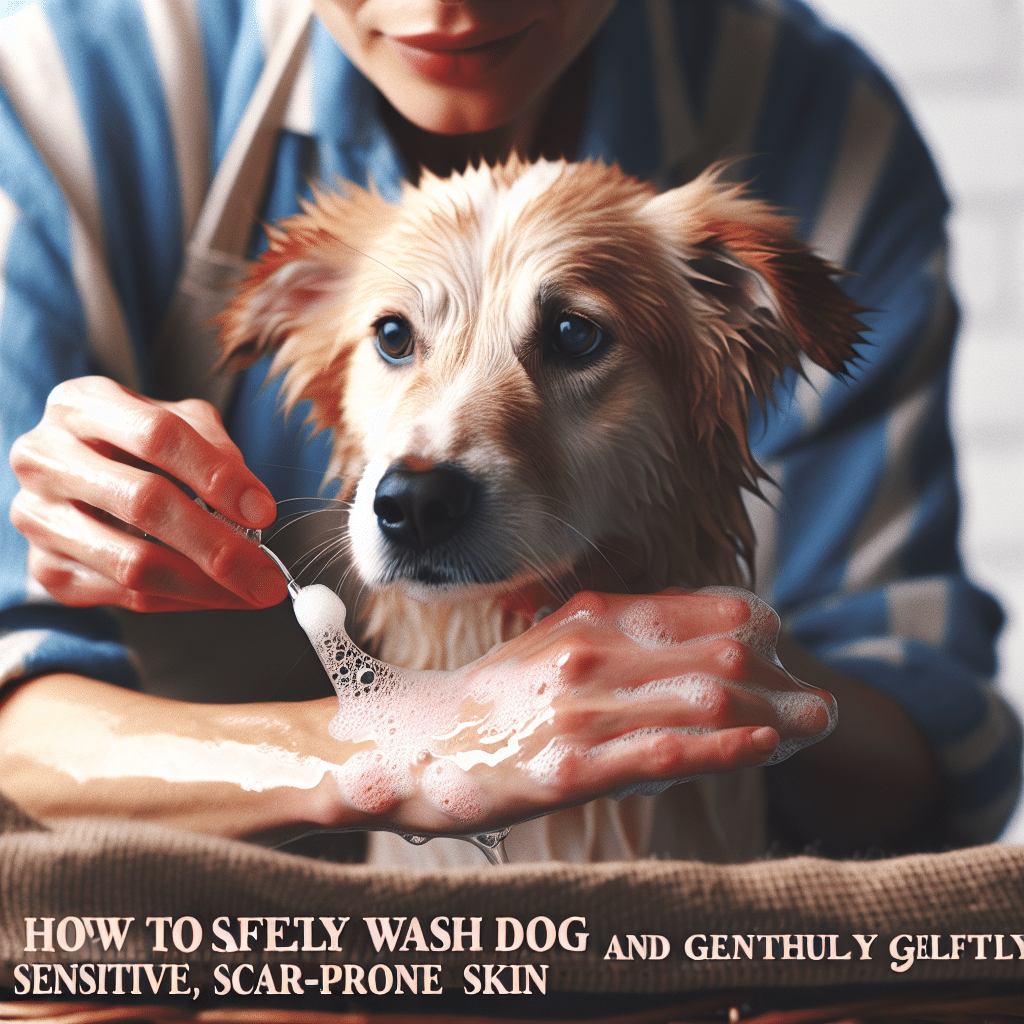
How to Safely Wash a Dog with Sensitive, Scar-Prone Skin
Caring for a dog with sensitive, scar-prone skin can often feel like walking a delicate tightrope. While bathing is an essential part of your dog’s grooming routine, it also poses potential risks—harsh soaps, vigorous scrubbing, or improper techniques can irritate the skin, cause discomfort, or even delay healing. If your furry friend has a history of skin issues, scars, or allergies, understanding how to bathe them safely becomes even more crucial. This guide aims to equip you with the knowledge and practical tips needed to wash your dog gently, promote healing, and keep their skin healthy and comfortable.
Whether your dog has recently undergone surgery, has chronic skin sensitivities, or simply has a coat prone to irritation, this article will walk you through the essentials—from understanding their unique skin conditions to choosing appropriate grooming products and implementing best bathing practices. Let’s dive into how to maintain cleanliness while protecting and nurturing your dog’s delicate skin.
Understanding Skin Conditions in Dogs Prone to Scabbing
Dogs with sensitive, scar-prone skin often face unique challenges that influence how they should be bathed and cared for. Skin sensitivities can be caused by allergies, dermatitis, autoimmune disorders, or previous injuries such as surgeries or trauma. These conditions often lead to scabbing, which is part of the natural healing process but can be easily irritated by external factors like harsh shampoos, excessive moisture, or rough handling. Recognizing the specific skin issues your dog faces is the first step toward effective and safe bathing.
Dogs prone to scabbing typically have compromised skin barriers, making them more vulnerable to irritation, infection, and delayed healing. Scabs serve as protective coverings over wounds or damaged tissue, but they require gentle handling to avoid disrupting the healing process. In some cases, the skin may be hypersensitive to touch, temperature changes, or certain chemicals, making it essential to adapt your grooming routine accordingly. Consulting your veterinarian can help identify underlying causes and tailor a skincare plan suited to your dog’s specific needs.
Another important aspect is understanding that not all skin conditions are visible or obvious. Subtle signs—such as redness, dry patches, hair loss, or increased scratching—can indicate underlying issues that require special care during bathing. Recognizing these signs allows you to choose gentle, soothing products and techniques that support skin recovery while keeping your dog comfortable and stress-free. Being informed and attentive ensures that your washing routine becomes a healing process rather than an additional source of discomfort.
Preparing Your Dog and Grooming Supplies for Safe Bathing
Preparation is key when it comes to bathing a dog with sensitive, scar-prone skin. Before getting started, gather all necessary supplies to ensure the process is smooth and stress-free for both you and your dog. Use a non-slip mat in the bathtub or bathing area to prevent slipping, which can cause fear or injury, especially in sensitive or healing skin. Brushing your dog thoroughly beforehand helps remove loose hair, dirt, and debris, reducing the amount of shampoo needed and minimizing potential irritation.
Choose grooming supplies that are gentle and specifically designed for sensitive skin. Opt for soft-bristled brushes or grooming mitts that won’t scratch or tug at delicate areas. Keep a towel nearby for quick drying and handling, and consider having a cup or gentle spray nozzle for rinsing—this allows for controlled water flow and reduces water pressure that might cause discomfort. If your dog is nervous, ensure they are calm and comfortable before starting; offering treats or calming sprays can help create a positive experience.
It’s also wise to prepare your environment to minimize stress. Use lukewarm water—neither hot nor cold—to avoid shocking or irritating sensitive skin. Ensure the bathing area is quiet and free from sudden noises or distractions. If your dog has a history of anxiety or trauma, consider using calming aids such as pheromone sprays or calming music. Proper preparation not only makes the bathing process safer but also more tolerable for your dog, fostering trust and reducing the risk of accidental injury to scarred or delicate areas.
Selecting Gentle, Skin-Friendly Dog Shampoos and Care Products
Choosing the right shampoo is critical for dogs with sensitive or scar-prone skin. Many commercial shampoos contain harsh chemicals, fragrances, or preservatives that can exacerbate irritation. Instead, look for products labeled as hypoallergenic, fragrance-free, and formulated specifically for sensitive skin. Ingredients such as oatmeal, aloe vera, and chamomile are known for their soothing and anti-inflammatory properties, making them ideal choices for calming irritated skin and supporting healing.
Avoid shampoos with sulfates, alcohol, parabens, or artificial dyes, as these can strip the skin’s natural oils, cause dryness, or trigger allergic reactions. Some brands offer medicated shampoos prescribed by veterinarians that contain ingredients like chlorhexidine or ketoconazole, which can help control bacterial or fungal infections common in compromised skin. Always read labels carefully and consult your vet for recommendations tailored to your dog’s specific condition, especially if they have wounds, scars, or allergies.
In addition to choosing the right shampoo, consider incorporating skin-nourishing conditioners or topical treatments recommended by your veterinarian. These products can help maintain skin hydration, promote healing, and prevent further irritation. Remember, even natural or gentle products should be tested on a small area first to ensure your dog doesn’t have an adverse reaction. Proper product selection is a foundational step in creating a safe, soothing bathing routine that respects your dog’s delicate skin.
Step-by-Step Guide to Washing a Dog with Sensitive, Scabby Skin
Performing a gentle, methodical bathing process can make all the difference when caring for a dog with sensitive or scar-prone skin. Start by placing your dog in a comfortable, secure position—using a non-slip mat helps prevent slips and injuries. Use lukewarm water to wet their coat thoroughly, avoiding direct high-pressure streams that can be intimidating or cause discomfort to sensitive skin or scars. Gently soak the coat, paying extra attention to avoid scrubbing or rubbing over scabs or wounds.
Apply a small amount of the specially selected gentle shampoo, lathering softly with your fingertips rather than vigorous scrubbing. Focus on cleaning the coat without touching or disturbing the scars or sensitive areas directly. Instead of using a washcloth or sponge with abrasive scrubbing, gently massage the product into the coat with light, circular motions. Remember to be extra cautious around scars, avoiding any excessive movement that could cause discomfort or reopen healing wounds. Rinse thoroughly with lukewarm water, ensuring no shampoo residue remains, which can cause irritation if left behind.
Drying is just as important as washing. Pat your dog’s coat dry with a soft towel—avoid vigorous rubbing that can irritate sensitive skin or disturb healing scars. For added comfort, you can use a hairdryer on the lowest, cool setting, keeping it at least several inches away from the skin. During the drying process, inspect the skin for any signs of irritation or infection. Once dried, apply any veterinarian-recommended topical treatments or moisturizers to promote healing and keep the skin barrier healthy. Your careful, gentle approach will help ensure your dog’s skin remains protected and comfortable.
Post-Bath Care and Tips to Promote Skin Healing and Prevent Irritation
The post-bath period is vital for supporting your dog’s skin recovery and preventing future irritation. After drying, gently inspect your dog’s skin and scars for any signs of redness, swelling, or infection. If your dog has ongoing wounds or stitches, follow your veterinarian’s instructions for wound care and avoid applying any products unless directed. Keep the skin clean and dry, as moisture can promote bacterial growth and delay healing, especially in sensitive or scarred areas.
To further promote skin health, incorporate soothing topical treatments recommended by your veterinarian. Moisturizers, healing ointments, or sprays with ingredients like aloe vera or vitamin E can help keep the skin hydrated and support tissue repair. Be cautious not to overuse products—more isn’t always better—and always follow your vet’s advice on frequency and application. Maintaining a balanced diet rich in omega-3 fatty acids can also enhance skin healing from within by reducing inflammation and promoting a healthy coat.
Environmental factors play a role too—keep your dog in a warm, draft-free area after bathing, and avoid exposing their skin to harsh weather conditions or irritants like pollen, dust, or chemicals. Regularly cleaning and changing bedding can reduce allergen exposure. Additionally, limit excessive activity or rough play that might cause trauma to healing scars. Establishing a gentle, consistent skincare routine will help your dog’s skin recover more quickly, reduce discomfort, and safeguard their overall well-being.
Conclusion
Caring for a dog with sensitive, scar-prone skin requires patience, gentle techniques, and informed choices. Understanding your dog’s specific skin conditions guides you in selecting appropriate grooming products, preparing the environment, and using safe bathing practices. A gentle, step-by-step approach—paired with soothing, skin-friendly shampoos and careful post-bath care—can make a significant difference in promoting healing and preventing irritation.
Remember, each dog’s skin healing process is unique, and consistent, compassionate care plays a vital role in their recovery journey. Regular veterinary consultation ensures you’re on the right track and allows for tailored advice that supports your dog’s skin health. With the right knowledge and gentle handling, you can keep your furry friend clean, comfortable, and happy—without compromising their delicate skin.