


How to Bathe a Dog with Thin Fur: Tips for Gentle, Effective Cleaning
Giving your furry friend a bath might seem straightforward, but when it comes to dogs with thin fur, it requires a bit more care and attention. Thin fur breeds often have delicate skin that can be easily irritated, making the bathing process both an essential hygiene routine and a chance to keep their skin healthy. Whether you’ve got a Chinese Crested, a Dachshund, or a hairless breed, understanding their unique needs ensures a safe, comfortable, and effective cleaning experience. This article will guide you through everything you need to know—from understanding their bathing requirements to post-bath care—so your dog stays happy, healthy, and looking adorable.
Understanding the Needs of Dogs with Thin Fur and Suitable Bathing Frequency
Dogs with thin fur have more delicate skin that is often exposed and less protected by dense hair. This makes them more susceptible to dryness, irritation, and environmental allergens. Unlike breeds with thick, double coats, these dogs require a tailored approach to bathing—less frequent, but more gentle. Overbathing can strip their skin of natural oils, leading to dryness and discomfort, so it’s crucial to find the right balance. Generally, bathing once every 4 to 6 weeks is sufficient unless your veterinarian advises otherwise—certain health conditions or outdoor activities might necessitate more frequent cleanings.
Understanding their specific skin type is essential. For example, hairless breeds like the Mexican Hairless or Chinese Crested have very sensitive skin that can easily become red, flaky, or inflamed if not treated with proper care. Conversely, dogs with thin but slightly longer fur, like Whippets or Greyhounds, still need gentle cleaning but may benefit from more frequent baths if they tend to get dirty or oily. Always watch for signs of skin issues, including excessive scratching, redness, or dry patches, which might influence how often you should bathe your dog. Consulting with your vet can help customize a bathing schedule that keeps their skin healthy without overdoing it.
When selecting a bathing schedule, consider your dog’s lifestyle and environment. Dogs that spend a lot of time outdoors, rolling in dirt or mud, will obviously need more frequent baths. Indoor dogs might require less frequent cleaning but still benefit from regular gentle washes. Remember, the goal is to keep their skin balanced—neither too dry nor too greasy—and to maintain a clean, comfortable coat that won’t trap dirt or parasites. By aligning their bathing routine with their specific needs, you’ll help ensure their comfort and overall health.
Preparing Your Dog and Bathing Area for a Gentle and Safe Wash
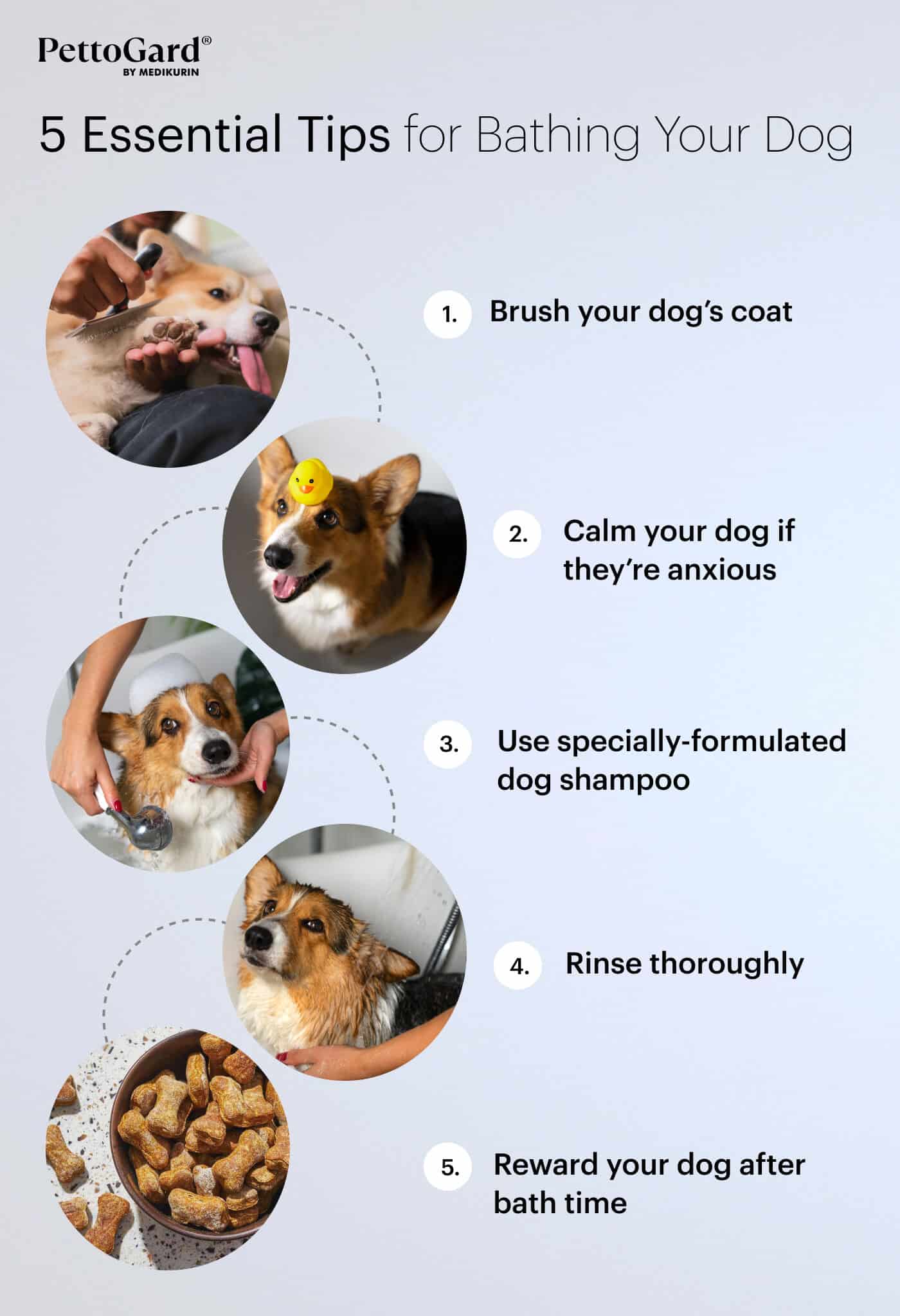
Before you even turn on the water, preparation is key to making the bathing process safe and stress-free for your dog with thin fur. Start by gathering all necessary supplies—mild, dog-specific shampoo, soft towels, a non-slip mat, and grooming tools if needed. Use only shampoos formulated for sensitive skin or those specifically designed for dogs with thin or delicate fur to prevent irritation. It’s also helpful to have treats on hand to reward your dog throughout the process, making it more positive and less stressful.
Creating a calm, inviting environment is equally important. Choose a warm, quiet space for bathing, such as a bathroom or utility tub, where your dog feels secure. Place a non-slip mat at the bottom of the tub or sink to prevent slipping, which can cause anxiety or injury. Before starting, brush your dog gently to remove loose hair and detangle any knots—this helps prevent tugging during the bath and ensures even cleaning. If your dog is nervous, consider introducing the bathing area gradually, allowing them to explore and associate the space with positive experiences through treats and praise.
Safety should be your top priority. Use lukewarm water—hot water can dry out delicate skin, while cold water might cause discomfort or resistance. Test the water temperature with your wrist or elbow before bathing. Have everything ready beforehand to minimize the time your dog spends in the water, and never leave them unattended during the bath. Ensuring a stress-free, safe environment will make the entire process more manageable for both you and your dog, fostering trust and comfort with regular grooming routines.
Step-by-Step Guide to Bathing a Dog with Very Thin Fur for Optimal Comfort
Now that your space is prepared, it’s time to dive into the actual bathing process. Start by placing your dog gently in the bathing area, reassuring them with calm words or treats. Use a gentle stream of lukewarm water to wet their fur thoroughly—starting from the neck and working downward, avoiding the face initially. Be cautious around sensitive areas like the face and ears, and use a damp cloth for cleaning these parts to prevent water from getting into their eyes or ears, which can cause discomfort or infections.
Apply a small amount of dog-specific, gentle shampoo designed for sensitive or thin skin. Lather gently, using your fingertips to massage the shampoo into their fur and skin, being careful not to scrub too hard. Focus on areas that tend to get dirtier or oily, but always prioritize a gentle touch. Rinse thoroughly with lukewarm water, making sure no shampoo residue remains, as this can cause irritation or dryness. It’s often helpful to double-shampoo if your dog is particularly dirty, but always remember to rinse completely each time to avoid buildup that can irritate sensitive skin.
After rinsing, carefully squeeze out excess water without rubbing vigorously—this helps prevent damage or irritation to their delicate skin. Use a soft towel to pat them dry, wrapping them gently and speaking soothingly throughout. If your dog tolerates it, you can use a blow dryer on a low, cool setting to help dry their fur, but keep the distance and avoid direct heat, which can dry out the skin. Throughout the process, stay patient and gentle, making the experience as relaxing as possible. Ending with praise and treats reinforces positive associations with bathing, making future grooming easier.
Choosing the Right Shampoo and Hair Care Products for Thin-Furred Dogs
Selecting the appropriate grooming products is critical for dogs with thin fur. Many regular shampoos contain harsh chemicals or artificial fragrances that can dry out or irritate sensitive skin, so always opt for products specifically formulated for delicate or sensitive skin types. Look for shampoos that are hypoallergenic, free from parabens, sulfates, dyes, and artificial fragrances. Ingredients like oatmeal, aloe vera, and chamomile are known for their soothing, moisturizing properties, which can help alleviate dryness and promote healthy skin.
In addition to shampoo, consider using conditioners or skin lotions designed for sensitive or thin-furred breeds. These products can help restore moisture, strengthen the skin barrier, and prevent dryness after bathing. Some grooming products contain added benefits like antibacterial or antifungal agents, which can be useful if your dog has skin conditions or is prone to infections. Always read labels carefully and follow the manufacturer’s instructions for application and rinsing to prevent any adverse reactions.
It’s also worth exploring natural options, such as gentle coconut oil or specially formulated dog oils, which can be applied sparingly to maintain hydration and coat health. Before trying new products, perform a patch test on a small area of your dog’s skin to ensure they don’t cause irritation. Regular grooming with appropriate products tailored to their skin type will help maintain a healthy, soft, and shiny coat while minimizing the risk of discomfort or skin issues.
Post-Bath Care and Tips for Maintaining Healthy, Thin Fur After Washing
Once your dog is clean and dry, post-bath care is crucial for maintaining healthy, thin fur. Start by brushing their coat gently to remove any remaining loose hairs and to detangle any knots that might have formed during the bath. Use a soft-bristled brush suitable for sensitive skin, and be gentle to avoid causing irritation or discomfort. Regular brushing not only keeps their coat looking tidy but also stimulates blood flow and distributes natural oils, enhancing skin and coat health.
Moisturizing skin and coat after bathing can be beneficial for dogs with thin fur. Applying a light, dog-safe moisturizer or natural oil—like coconut oil or a specialized skin serum—can help replenish moisture, especially if their skin tends to be dry or flaky. These products should be used sparingly and carefully to avoid excess oil buildup, which can lead to irritation or attract dirt. Monitoring your dog’s skin condition regularly allows you to adjust your grooming routine and product choices accordingly.
Finally, keep your dog’s environment clean and dry to prevent skin infections or irritations. Make sure their bedding is washed regularly and that they’re kept in a comfortable, draft-free space. Incorporating a healthy diet rich in omega-3 fatty acids can also promote skin and coat health from the inside out. Always consult your veterinarian if you notice persistent dryness, redness, or other skin issues, as underlying health conditions may require specialized treatment. Proper post-bath care ensures your dog’s thin fur stays soft, healthy, and comfortable, making grooming a positive and beneficial experience.
Conclusion
Bathing a dog with thin fur requires a gentle, informed approach that prioritizes their delicate skin and overall comfort. Understanding their specific needs helps you set an appropriate bathing schedule and select suitable grooming products that nourish without causing irritation. Preparing the bathing environment carefully ensures safety and reduces stress, making the process smoother for both of you. Following a step-by-step guide—using lukewarm water, gentle shampoos, and careful drying techniques—ensures effective cleaning without compromising their skin’s health.
Choosing the right hair care products plays a vital role in maintaining their coat and skin health, so always opt for hypoallergenic, natural, or vet-recommended options suited for sensitive skin. Post-bath care, including gentle brushing and moisturizing, helps sustain the softness and health of their delicate fur. With these tips, you can turn bath time into a positive routine that keeps your dog comfortable, clean, and happy.
Remember, patience and consistency are key. Regular grooming not only enhances their appearance but also contributes significantly to their well-being. If unsure about your dog’s specific needs or skin condition, don’t hesitate to consult your veterinarian for personalized advice. With proper care, your thin-furred dog will enjoy the benefits of a clean, healthy coat that reflects their bright personality and love for life.