


How to Safely Wash a Dog Who Growls at Touch: Tips and Techniques
Bathing your dog is an essential part of grooming that helps keep them clean, healthy, and happy. However, some dogs react negatively to being touched during bath time, especially if they growl or show signs of discomfort. This behavior can be challenging for pet owners, leading to stressful experiences for both the dog and the owner. The good news is that with the right understanding, patience, and techniques, you can learn to bathe your dog safely—even if they growl at touch. In this article, we’ll explore how to recognize your dog’s behavior, prepare a calming environment, employ gentle washing techniques, use positive reinforcement, and troubleshoot common challenges to make bath time a safer, more positive experience.
Understanding Your Dog’s Behavior and Signs of Discomfort During Bathing
Every dog has unique reasons for reacting negatively during bath time. Recognizing their behavior and understanding the underlying causes of discomfort are crucial first steps toward managing and improving their bathing experience. Dogs may growl or resist touching due to fear, past trauma, pain, or simply unfamiliarity with the process. Sometimes, their growling is a defensive response rather than aggression, meant to protect themselves from perceived threats.
Observe your dog’s body language closely. Signs of distress include stiff posture, pinned-back ears, lip licking, yawning, trembling, or trying to escape. If your dog growls when touched in certain areas, it might indicate pain or sensitivity—consult your veterinarian to rule out health issues. Conversely, some dogs may growl out of frustration or anxiety rather than aggression, so distinguishing the cause helps tailor your approach. Understanding these cues allows you to develop a more compassionate and effective grooming strategy that respects your dog’s boundaries.
It’s essential to recognize that growling is a form of communication. Rather than viewing it solely as problematic behavior, see it as your dog’s way of telling you they’re uncomfortable. Responding with patience and empathy can help build trust over time. If your dog shows signs of discomfort, it’s important to pause and reassess your approach, ensuring that bathing doesn’t become a traumatic or dangerous event for your pet. Knowing the signs of discomfort allows you to adapt your techniques to keep the experience safe and positive.
Preparing Your Dog and Bathing Environment for a Calm Grooming Session
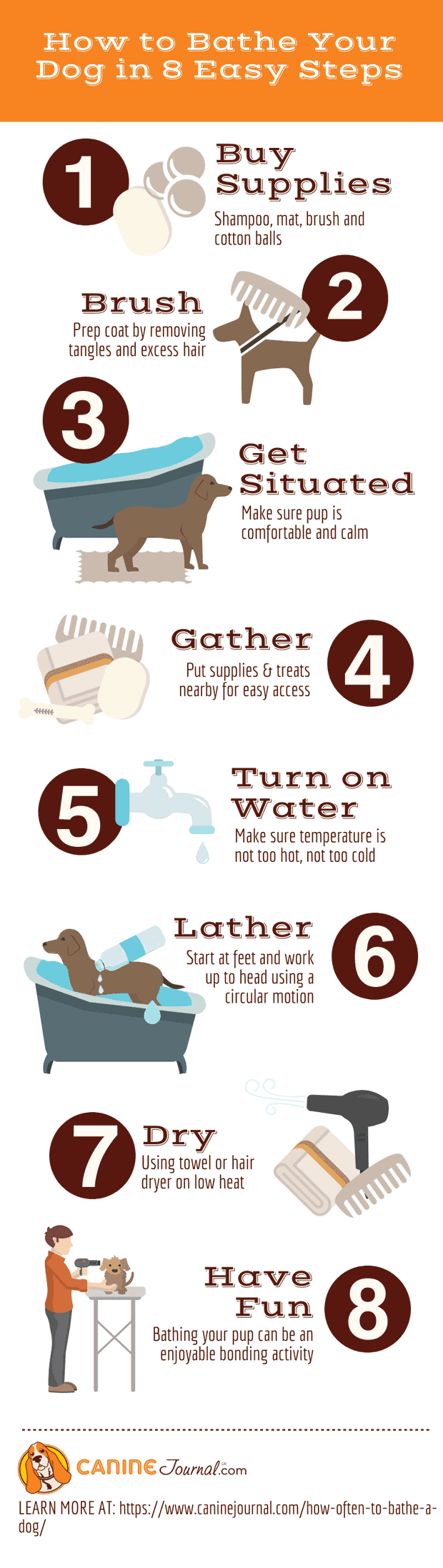
Preparation is key to a successful and stress-free bath, especially for dogs that growl or resist touch. Start by choosing a quiet, familiar environment—preferably a space where your dog feels safe, such as a bathroom or laundry room. Gather all necessary supplies beforehand, including pet shampoo, towels, a non-slip mat, and any grooming tools. Having everything within reach minimizes surprises and delays that could heighten your dog’s anxiety.
Creating a calming environment can significantly reduce your dog’s stress levels. Consider using soft lighting, playing calming music, or introducing familiar scents like a favorite blanket or a piece of your clothing. Before starting, allow your dog to explore the bathing area at their own pace; let them sniff around and get comfortable. Use gentle, reassuring voices and offer treats or toys to create positive associations with the space. This groundwork helps set a tone of safety and trust before touching begins.
It’s also important to consider your dog’s physical comfort and health. If your dog has mobility issues, arthritis, or skin sensitivities, adjust the water temperature and pressure accordingly. Use lukewarm water, avoid splashing directly into their face, and ensure the bathing surface provides stability and support. Preparing the environment thoughtfully not only helps prevent accidents but also demonstrates respect for your dog’s well-being, making the entire process smoother and safer for both of you.
Step-by-Step Techniques for Gently Washing a Dog Who Growls at Touch
When bathing a dog that growls at touch, gentle, gradual techniques are essential. Start by introducing your dog to the bathing process in small steps. For example, allow them to sit in the bathing area without water, giving treats and praise to foster positive associations. When you’re ready to begin, use a gentle voice and slow, deliberate movements to avoid triggering fear or aggression. Remember, patience is key—rushing can escalate your dog’s discomfort or defensiveness.
Begin by moistening your dog’s paws and legs with a damp cloth or gentle spray, gradually working your way up to the body. Avoid pouring water directly on their face or ears initially—use a damp washcloth for these sensitive areas. When washing, apply shampoo gently and avoid scrubbing or pulling at their fur, which can cause pain or discomfort. Use your hand or a soft sponge to massage the shampoo into their coat in smooth, controlled motions, always paying attention to their reactions. If your dog growls or shows signs of distress, pause, and give them a break before proceeding.
After shampooing, rinse thoroughly with lukewarm water, ensuring no residue remains, as leftover soap can cause irritation. During the rinsing process, keep your movements slow and reassuring. You can use a handheld showerhead with a gentle spray setting or a cup to rinse carefully. Once clean, dry your dog with a soft towel and reward them with treats or praise. Repeating this process over time can help your dog become more comfortable with bathing, especially when approached with gentle techniques and a calm demeanor.
Using Positive Reinforcement to Encourage Trust and Reduce Fear During Baths
Positive reinforcement is a powerful tool for transforming bath time into a rewarding experience for your dog. Start by associating bath activities with treats, praise, and affection—this can help your dog develop a sense of anticipation and trust. For example, give treats before, during, and after the bath process, especially when your dog stays calm or offers a relaxed body language. Over time, these rewards reinforce the idea that bath time can be a positive experience rather than a source of fear or discomfort.
Use treats strategically to encourage desired behaviors, such as standing still or allowing you to touch sensitive areas without growling. For dogs that are particularly anxious, start by offering treats in the bathing environment without water or touching, gradually introducing touch and water as they become more comfortable. Also, use a calm, reassuring voice throughout the process, and maintain a steady, gentle pace. Remember, never punish or scold your dog for growling or resisting; instead, focus on building positive associations and patience.
Consistency is vital when using positive reinforcement. Establish a routine so your dog knows what to expect, and always end the bath on a positive note—perhaps with a favorite toy or a special treat. Over time, this approach can help reduce their fear, build trust, and even transform bathing from a stressful obligation into a bonding experience. The goal is to create a safe space where your dog feels valued and understood, even when they initially resist touch.
Troubleshooting Common Challenges and Ensuring Safe, Stress-Free Dog Baths
Despite your best efforts, challenges may still arise when bathing a dog who growls at touch. If your dog becomes overly stressed or aggressive, stop the process immediately and give them time to calm down. Sometimes, a break or a change in approach—such as taking longer to acclimate or seeking professional help—can make a difference. If your dog’s growling persists or escalates, consulting a professional trainer or veterinarian is advisable to rule out underlying issues and develop a tailored plan.
Address safety concerns by never forcing your dog into a bath or using physical restraint that could cause injury or exacerbate fear. Instead, use calming techniques like speaking softly, offering treats, or gently guiding your dog into the bath space without pressure. If your dog tries to escape, let them go; instead, work on desensitization and positive reinforcement to gradually increase their tolerance. Be patient and avoid punishment—remember that building trust takes time, especially for dogs with a history of trauma or fear of water.
Finally, consider alternative options if traditional bathing continues to be problematic. You might explore waterless grooming products, dry shampoos, or professional grooming services experienced with fearful dogs. Regularly check your dog’s skin and coat for signs of irritation or health issues, ensuring that bathing remains a safe and healthy part of their routine. With persistence, patience, and gentle techniques, you can help your dog develop a more positive attitude toward bath time, making it safer and more enjoyable for everyone involved.
Conclusion
Bathing a dog who growls at touch can be a challenging but manageable task with the right approach. By understanding your dog’s behavior and cues, preparing a calm environment, employing gentle techniques, and reinforcing positive experiences, you can help reduce their fear and resistance. Remember that patience, consistency, and empathy are your best tools—building trust takes time, but the payoff is a happier, healthier dog who feels safe during grooming. If challenges persist, don’t hesitate to seek professional advice or explore alternative grooming options. Ultimately, making bath time safe and stress-free benefits both your dog’s well-being and the quality of your bond.