


How to Bathe a Dog That Reacts Badly to Soap: Tips for Stress-Free Grooming
Bathing a dog can sometimes be a challenging task, especially when your furry friend reacts poorly to soap or shows signs of stress during grooming sessions. Many dogs associate baths with discomfort or fear, leading to behaviors like shaking, scratching, or trying to escape. If your dog is among those who dislike or react badly to soap, it’s essential to approach grooming with patience, understanding, and the right techniques. This article will guide you through understanding your dog’s reactions, preparing for a safe grooming routine, selecting suitable products, and employing effective bathing techniques—making the experience more comfortable for both of you.
Understanding Your Dog’s Reactions to Soap and Common Causes of Stress
Many dogs react negatively to soap during bath time because of sensory sensitivities, past traumatic experiences, or simply unfamiliarity with the process. Dogs experience the world largely through their sense of smell, touch, and hearing; strong fragrances or unfamiliar textures of soap can be overwhelming, triggering anxiety or defensive behaviors. For some, the sensation of water and soap might be uncomfortable or even frightening, especially if they haven’t been accustomed to grooming from a young age.
Apart from sensory factors, emotional and environmental cues can contribute to a dog’s stress during a bath. Loud noises, sudden movements, or chaotic surroundings may heighten their anxiety, making them more reactive to soap or water. Additionally, dogs with prior negative grooming experiences—such as painful nail trims or rough handling—may associate baths with discomfort, leading to reluctance or aggressive reactions when soap is involved.
Understanding these common causes allows pet owners to better address their dog’s specific needs. Recognizing signs of stress—such as panting, trembling, lip licking, yawning, or attempts to escape—helps you gauge when your dog is overwhelmed. By approaching bath time with empathy and patience, you can gradually desensitize your dog to the grooming process, reducing fear and reactive behaviors linked to soap or water.
Preparing for a Gentle and Safe Dog Bathing Routine
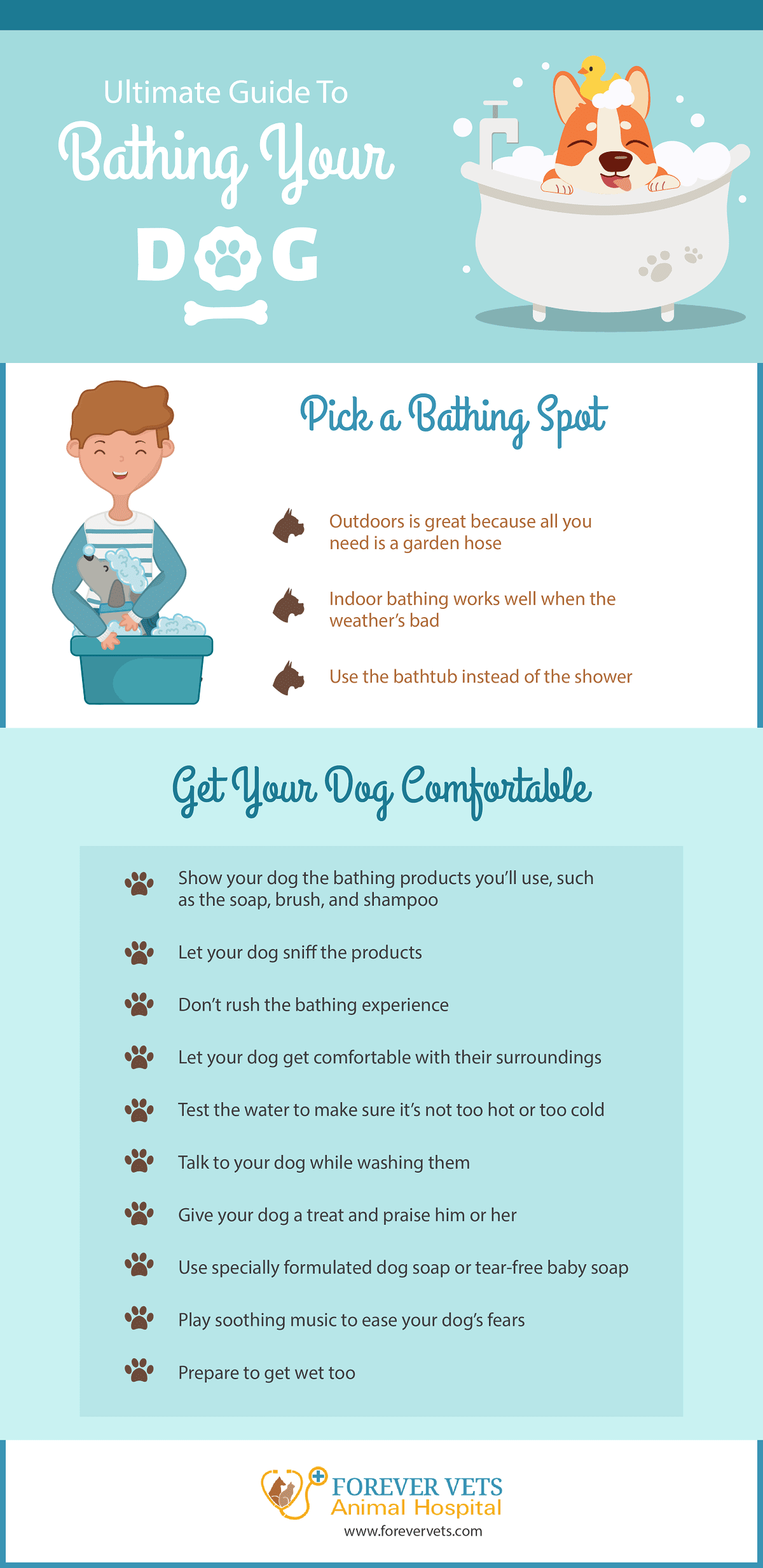
Preparation is key to turning bath time into a calm, manageable experience. Before starting the bath, choose a comfortable, quiet space where your dog feels secure—such as a bathroom with non-slip mats or a bathtub with a textured surface. Gather all necessary supplies beforehand, including gentle dog shampoo, towels, brushes, and treats, so you’re not scrambling during the process. This minimizes noise and movement that might excite or upset your dog.
Additionally, gradually introducing your dog to the bathing environment can significantly reduce stress. Spend time playing near the bathing area, letting your dog sniff and explore the space without pressure. Use positive reinforcement—like treats and praise—to create a positive association with the environment. For dogs that are particularly anxious, consider acclimating them to water by using a damp cloth or sponge before attempting a full bath, so they get accustomed to water contact gradually.
Lastly, plan your bathing schedule according to your dog’s temperament and lifestyle. Some dogs tolerate baths better when they’re calm and rested, so choosing a time when your dog isn’t overly energetic or anxious is helpful. Consistency is also beneficial; regular, short grooming sessions help your dog become familiar with the process and reduce overall stress over time.
Choosing the Right Non-Irritating Cleaning Products for Sensitive Dogs
Selecting the appropriate grooming products is crucial when bathing a dog that reacts badly to soap. Many commercial shampoos contain fragrances, dyes, and harsh chemicals that can irritate sensitive skin or trigger allergic reactions, making the experience more stressful for your dog. Look for shampoos formulated specifically for sensitive skin, which are usually free of artificial fragrances, parabens, sulfates, and alcohol.
Natural or hypoallergenic dog shampoos are excellent choices for dogs with reactions to standard soap. Ingredients like oatmeal, aloe vera, and chamomile can soothe skin and reduce irritation, while mild pH-balanced formulas help maintain your dog’s natural skin barrier. Always read labels carefully and opt for products recommended by veterinarians or professional groomers for sensitive or reactive dogs.
In some cases, waterless or no-rinse bathing options can be beneficial, especially if your dog reacts strongly to water or soap. These products use gentle cleansers that can be applied with minimal contact, reducing the sensory overload associated with traditional baths. Remember, consulting your veterinarian for product recommendations ensures you choose the safest and most effective options for your dog’s specific needs.
Step-by-Step Techniques for Washing a Dog Who Reacts Badly to Soap
When bathing a dog that reacts badly to soap, patience and gentle handling are essential. Start by introducing your dog to water gradually—use a handheld sprayer or a cup to gently wet their paws, legs, or back, avoiding sudden spraying that can startle them. Speak softly throughout the process to provide reassurance, and offer treats and praise to create positive associations.
Apply the non-irritating shampoo sparingly, focusing on small sections at a time. Use your fingers or a soft cloth to gently massage the shampoo into your dog’s coat, avoiding the face, ears, and eyes. If your dog is particularly sensitive to lathering or rinsing, consider diluting the shampoo with water to reduce its intensity or using no-rinse options to minimize contact with water and soap. Rinse thoroughly, making sure no residue remains, as leftover soap can cause skin irritation.
Pay close attention to your dog’s body language—if they become increasingly distressed, take a break and offer comfort. Use calm, reassuring voice tones and keep movements slow and gentle. For dogs with severe reactions, breaking the bath into multiple short sessions over several days can help them acclimate gradually, reducing overall stress and improving cooperation over time.
Tips for Calming and Rewarding Your Dog During and After Bathing
Keeping your dog calm during a bath requires a combination of environmental management and positive reinforcement. Use a non-slip mat in the bathing area to prevent slipping, which can be frightening. Speak softly and maintain a steady, gentle pace throughout the process; if your dog shows signs of distress, pause and give them time to relax before proceeding.
Physical comfort is equally important. Offering a favorite toy or a calming item like a blanket can provide a sense of security. During the bath, soothing touch—like gentle strokes or massaging—can help alleviate anxiety and promote relaxation. If your dog is highly reactive, consider incorporating calming aids such as pheromone sprays or calming music to create a more tranquil environment.
Post-bath, reward your dog generously with treats, praise, and affection to reinforce positive associations with grooming. Dry your dog thoroughly with a soft towel and, if they tolerate it, a low-heat blow dryer on a gentle setting. Giving your dog extra cuddles and playtime afterward helps them associate bath time with positive experiences, making future grooming sessions less stressful. Remember, patience and consistent positive reinforcement are key to transforming bath time into a less intimidating routine for your dog.
Conclusion
Bathing a dog that reacts badly to soap can be a daunting task, but with understanding, preparation, and patience, it’s entirely possible to create a stress-free grooming experience. Recognizing the reasons behind your dog’s reactions—whether sensory sensitivities, past trauma, or environmental factors—allows you to tailor your approach accordingly. Choosing gentle, non-irritating products and employing step-by-step techniques that prioritize your dog’s comfort will significantly reduce anxiety. Finally, using calming strategies and rewarding your dog for their cooperation builds trust and facilitates positive associations with grooming.
Remember, the goal isn’t just to keep your dog clean but to foster a sense of safety and confidence during grooming. Over time, these efforts will help your dog become more relaxed and cooperative during baths, making the process easier and more enjoyable for both of you. With patience, kindness, and the right techniques, stress-free grooming is within reach—transforming a stressful chore into a bonding experience.