


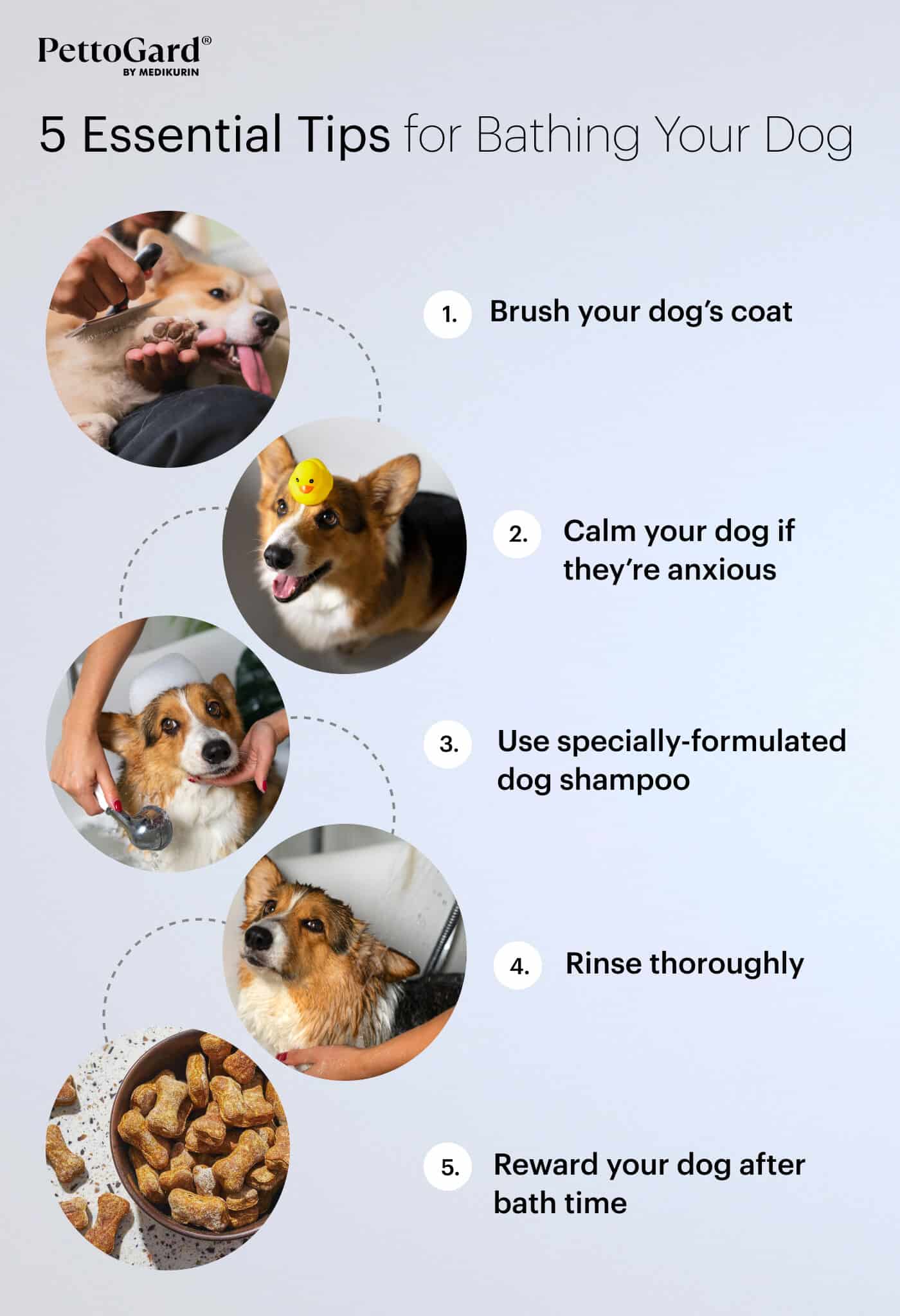
How to Bathe Your Dog After Nail Clipping: Tips for a Calm, Clean Reset
Giving your dog a bath after nail clipping might seem straightforward, but it’s an important part of their grooming routine that can make a big difference in their comfort and hygiene. Nail clipping can sometimes cause your dog to feel a little anxious or sensitive, especially if they’re not used to it, and bathing afterward can help soothe and clean their skin and coat. Plus, if there’s any residual dust or dirt from the nail trim, a gentle wash can keep your pup feeling fresh and prevent infections.
This article will walk you through everything you need to know about bathing your dog after nail clipping — from preparing your furry friend and ensuring they feel safe and comfortable, to step-by-step bathing instructions, grooming tips, and post-bath care. Whether you’re a seasoned dog owner or new to grooming, these tips are designed to help you create a calm, positive experience for your dog while maintaining their hygiene and well-being.
Preparing Your Dog for the Bath After Nail Clipping
Preparation is key to ensuring that bath time goes smoothly and your dog remains relaxed and comfortable. Before you even think about getting the water ready, make sure your dog has been properly settled after nail clipping. If your dog is particularly anxious or sensitive, spend a few minutes calming them with gentle petting or treats, so they associate the upcoming bath with positive experiences. Creating a calm environment can significantly reduce stress and help your dog stay still during the process.
Gather all necessary supplies beforehand, such as dog shampoo (preferably one suited to their coat and skin type), a non-slip mat, towels, a brush, and any grooming tools you might need. Having everything within reach prevents unnecessary movement or stress during bathing. It’s also wise to ensure the water temperature is lukewarm—hot water can be uncomfortable or even harmful, especially after nail clipping when their paws and skin may be more sensitive. A gentle, soothing approach helps reinforce trust and makes the process easier for both of you.
Lastly, consider the timing of the bath. Post-nail clipping is often best done when your dog is calm and relaxed—perhaps after a walk or play session, so they’re more receptive to grooming. If your dog tends to get overly excited or nervous, a quick walk or some play beforehand can help expend excess energy and make bath time less stressful. Remember, patience and positive reinforcement are essential to turning bathing into a pleasant experience rather than a chore.
Ensuring Comfortable and Safe Handling During the Bath
Handling your dog gently and confidently is crucial during bath time, especially after nail clipping when their paws might be tender. Start by placing your dog on a non-slip surface or mat in the bathing area to prevent slipping and to give them a sense of stability. Use calm, reassuring voice commands to help your dog feel secure, and always handle them with gentle, steady movements. If your dog is nervous, take short breaks or speak softly to keep them calm.
Support your dog’s body and paws during bathing to avoid accidental strain or discomfort. For example, hold their chest or hips securely but gently, avoiding any rough or abrupt movements. If your dog is reluctant to get into the tub or sink, use treats or toys to encourage them to step in voluntarily, creating a positive association with bath time. For dogs with sensitive paws after nail clipping, be especially cautious around their toes and pads, applying minimal pressure and avoiding unnecessary pulling or squeezing.
Safety also means being mindful of the shampoo and water contact with your dog’s eyes, ears, and nose. Use a damp cloth or a cup to gently rinse around their face, avoiding direct spray or splashes into their eyes. If your dog tends to shake or wiggle, consider using a bathing harness or leash to keep them steady and prevent slips. Remember, a calm, consistent handling approach helps your dog stay relaxed, making the entire process safer and more enjoyable for both of you.
Step-by-Step Guide to Washing Your Dog Post-Nail Clipping
Now that your dog is comfortable and properly handled, you’re ready to proceed with the bath. Start by thoroughly wetting your dog’s coat with lukewarm water, ensuring to cover all areas but avoiding the face initially. Using a handheld showerhead or a cup, gently pour water over their back, sides, and legs, gradually working your way towards more sensitive areas. This gradual approach helps prevent startling your dog with sudden water contact and makes the experience more manageable.
Apply a small amount of dog-specific shampoo, starting at the neck and working your way down. Use your fingers or a soft brush to massage the shampoo into their coat, paying special attention to areas like their paws, underbelly, and around the ears—places that can trap dirt or become irritated after nail clipping. Be gentle when cleaning around sensitive areas, especially if your dog’s paws are tender post-nail trimming. Rinse thoroughly, making sure no shampoo residue remains, as leftover product can cause skin irritation or itching.
Once the main wash is complete, consider a second rinse if necessary to remove all soap. For added soothing benefits, you might gently massage your dog with a conditioner formulated for dogs, which can help maintain skin hydration and coat health. After rinsing, carefully lift your dog out of the bathing area and prepare to dry them. Pat them dry with a towel—avoid rubbing vigorously, as this can cause discomfort or matting—and consider using a blow dryer on a low, cool setting if your dog tolerates it. Follow these steps for a thorough, gentle wash that leaves your pup feeling clean and refreshed.
Drying and Grooming Tips for a Fresh and Clean Coat
Proper drying is essential not only for comfort but also for maintaining a healthy coat and skin. After towel-drying your dog, consider using a blow dryer on a cool or low heat setting to speed up the process, especially if your dog has a thick or long coat. Keep the dryer moving constantly to prevent overheating or burning sensitive skin, and maintain a safe distance to avoid discomfort. Many dogs tolerate or even enjoy the gentle warmth of a blow dryer once they are accustomed to it—use treats and praise to reinforce a positive association.
While drying, take the opportunity to brush your dog’s coat thoroughly. This helps remove any remaining loose hair, prevents matting, and distributes natural oils for a shiny, healthy coat. Use a brush suitable for your dog’s fur type—slicker brushes work well for long-haired breeds, whereas bristle brushes might be better for short-haired dogs. Regular grooming also allows you to inspect their skin for any signs of irritation, redness, or infections, especially after nail clipping when paws may be sensitive.
Once your dog is completely dry, consider a light grooming session—trimming any uneven hair, cleaning their ears, or brushing their teeth. Keeping up with these routines after a bath helps maintain overall hygiene and makes future grooming sessions easier. A clean, dry coat not only looks great but also promotes good skin health and comfort, especially after nail trimming when paws and skin can be more vulnerable.
Post-Bath Nail Care and Comfort Measures for Your Dog
After your pet’s bath, it’s a good idea to revisit their nails to ensure they’re comfortable and well-maintained. If you notice any rough or jagged edges, gently file them down with a dog-safe nail grinder or emery board. This can help prevent snagging or discomfort from uneven nails that may have been affected during clipping or bathing. Always handle your dog’s paws with care, and be attentive to any signs of pain, swelling, or sensitivity that might require veterinary attention.
To help your dog recover from any minor discomfort or stress, offer plenty of praise and treats to reinforce positive associations with grooming. Providing a cozy, quiet space where they can relax post-bath is also beneficial—this helps them feel secure and aids in the soothing process. If your dog seems particularly anxious or sore, consider giving them a gentle massage or applying a soothing paw balm designed for sensitive skin; these can help ease any residual tenderness from nail clipping or bathing.
Finally, monitor your dog closely over the next few hours or days after grooming. Keep an eye out for signs of skin irritation, redness, or discomfort, especially around their paws and nails. Regularly check their paws for dirt or debris, and keep them clean and dry to prevent infections. Maintaining a consistent grooming routine that includes gentle baths and nail care ensures your dog remains comfortable, healthy, and happy—making each grooming session a positive experience rather than a stressful chore.
Conclusion
Bathing your dog after nail clipping is more than just a cleaning task; it’s an opportunity to reinforce trust, promote hygiene, and keep your furry friend comfortable. By preparing your dog properly, handling them with care, following a gentle step-by-step washing process, and paying close attention to drying and post-bath care, you can turn what might be a stressful activity into a calming, positive experience. Remember, patience, consistency, and positive reinforcement are key to making grooming a bonding activity that benefits both you and your dog. With these tips, you’re well on your way to a calm, clean reset that leaves your pup feeling fresh, happy, and healthy.