


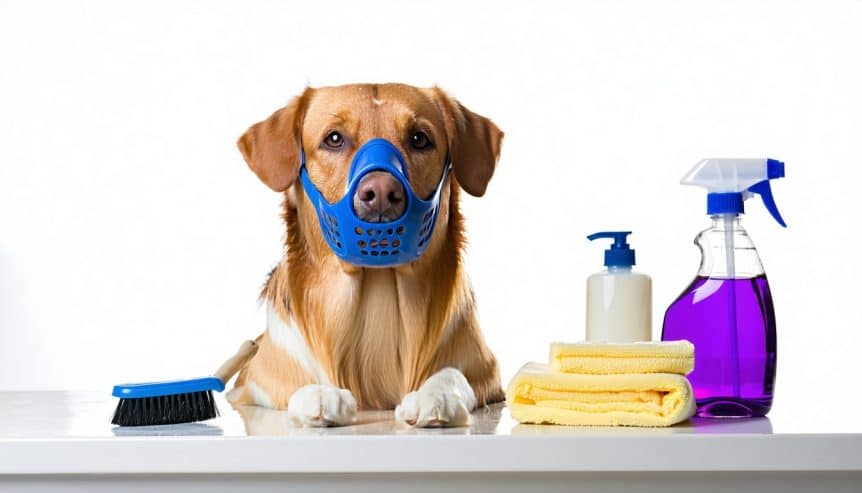
How to Safely Wash Your Dog While Wearing a Muzzle: Tips & Step-by-Step Guide
Bathing a dog can be a stressful experience—for both pet and owner—especially if your furry friend has a tendency to bite or become anxious during baths. Using a muzzle can be a helpful safety tool, preventing bites and ensuring a safer environment during grooming sessions. However, washing a dog while wearing a muzzle requires extra preparation, patience, and technique to ensure your dog’s safety and comfort. Whether your dog is aggressive, anxious, or simply resistant to bath time, this guide will walk you through the essential steps to make the experience as smooth and stress-free as possible.
In this article, we’ll explore how to prepare your dog and gather the right supplies, ensure safety and comfort throughout the process, implement proper washing techniques with a muzzle, and finish with tips on rinsing, drying, and promoting positive associations for future baths. By following these guidelines, you can turn a potentially challenging task into a manageable and even pleasant experience for both you and your pup.
Preparing Your Dog and Gathering Necessary Supplies for Muzzle-Wearing Baths
Preparation is the cornerstone of a successful, stress-free dog bath involving a muzzle. Before you even approach the bathing area, take time to assess your dog’s temperament, health, and specific needs. If your dog is unfamiliar with a muzzle, introduce it gradually beforehand, allowing them to associate it with positive experiences rather than fear or discomfort. Use treats, praise, and gentle handling to desensitize your pet, so they see the muzzle as a helpful tool rather than a threat.
Gather everything you need beforehand to avoid scrambling during the bath, which can increase your dog’s anxiety. Essential supplies include a properly fitted muzzle designed for grooming, a non-slip mat or surface to prevent slipping, dog-specific shampoo, a cup or sprayer for rinsing, towels for drying, and possibly a grooming leash or harness to keep your dog steady. You might also consider using calming aids like pheromone sprays or calming music to soothe your dog during the process. Ensuring your environment is calm, warm, and free of distractions can make a big difference in your dog’s comfort level.
Additionally, plan your bathing routine based on your dog’s size, coat type, and behavior. Short-haired breeds may require less time and fewer supplies compared to long-haired or double-coated breeds, which need thorough rinsing and drying. Keep in mind that some dogs may be more sensitive to water or grooming, so adjusting your approach based on their individual needs is key. Always have a plan for quick handling and be ready to pause if your dog shows signs of distress—your preparedness can turn a potentially difficult situation into a manageable one.
Ensuring Safety and Comfort During the Bathing Process with a Muzzle
Safety and comfort should be your top priorities when washing a dog with a muzzle. First and foremost, ensure the muzzle fits properly—neither too tight to cause discomfort nor too loose to be ineffective. A well-fitted muzzle allows your dog to breathe comfortably, pant, and even drink water if necessary, which can reduce stress during the bath. Never leave your dog unattended while they are muzzled, as they may need assistance if they become distressed or if the muzzle causes any discomfort.
Creating a calm, reassuring environment can significantly ease your dog’s anxiety. Speak softly, use positive reinforcement, and maintain a gentle touch throughout the process. Consider using a calming voice or clicker training to help your dog associate bath time with positive outcomes. If your dog is particularly anxious, administer calming supplements or pheromones well before the bath to promote relaxation. Remember, a relaxed dog is less likely to struggle or become agitated, making the entire process safer and more comfortable.
During the bath, monitor your dog’s body language and breathing closely. If they show signs of stress—such as heavy panting, trembling, or attempting to escape—pause and give them a break. Keep water temperatures lukewarm to prevent discomfort, and avoid spraying water directly into their face or eyes. If your dog is resistant, consider doing shorter, more frequent baths rather than one long session. This gradual approach helps build trust and reduces the likelihood of panic or injury during future grooming sessions.
Proper Techniques for Washing a Dog While Wearing a Muzzle
Washing a dog with a muzzle requires specific techniques to ensure effectiveness while maintaining your pet’s safety and comfort. Start by gently placing the muzzle on your dog before beginning the bath, securing it comfortably but not too tight. Use treats and praise to reinforce positive associations with the muzzle, making sure your dog feels secure rather than trapped. Once the muzzle is in place, approach the bath calmly and confidently to prevent heightening your dog’s anxiety.
When washing, focus on the areas that need it most—such as the paws, underbelly, and rear—without forcing your dog into uncomfortable positions. Use a cup or gentle sprayer to apply water gradually, avoiding sudden or high-pressure streams that could frighten your dog. Apply shampoo carefully, massaging it into their coat, but avoid the head and face directly. If necessary, use a damp cloth to clean the face, being careful around the eyes, nose, and mouth. The muzzle will prevent biting but should be used in conjunction with gentle handling to keep your dog calm.
Remember to work systematically, rinsing thoroughly to remove all shampoo residues, which can cause irritation if left behind. Keep your movements slow and deliberate, maintaining a steady, reassuring tone. Be patient—if your dog becomes restless or agitated, pause and give them a moment of relief. Consistency and calm reassurance are key, helping your dog stay relaxed and cooperative during the bath. Once finished, gently remove the muzzle and reward your dog with treats and praise to reinforce positive feelings about grooming.
Rinsing and Drying Your Dog After a Muzzle-Inclusive Bath
After thoroughly rinsing your dog to remove all shampoo and dirt, it’s crucial to dry them properly to prevent discomfort and skin issues. Use a clean, absorbent towel to gently pat your dog dry, focusing on areas prone to moisture retention, such as the ears, paws, and underarms. For long-haired breeds, consider using a blow dryer on a low, cool setting to speed up the drying process, but always ensure your dog is comfortable with the noise and airflow to prevent additional stress.
Pay special attention to drying the face and head, especially around sensitive areas like the eyes, nose, and mouth. If your dog was wearing a muzzle, make sure the muzzle is removed before drying the face to avoid trapping moisture underneath, which can lead to skin irritation. During the drying process, continue speaking softly and offering praise to reinforce positive associations with grooming. If your dog appears cold or uncomfortable, provide a warm, draft-free environment and additional towels or blankets to keep them cozy.
Once your dog is dry, inspect their coat and skin for any signs of irritation, cuts, or residual shampoo. Offer treats and gentle petting to reward their cooperation and help them associate the grooming experience with positive outcomes. Establishing a calm drying routine helps your dog feel more secure during future baths and reduces the likelihood of resisting or struggling. Remember, patience and gentle handling are essential in making the entire bathing process smooth and safe.
Tips for Reinforcing Positive Behavior and Comfort During Future Baths
Building positive associations with bath time is essential for making future grooming sessions easier and less stressful for your dog. Start by gradually introducing your dog to the grooming environment—use treats, praise, and patience to help them associate baths with enjoyable experiences. Incorporate short, frequent grooming sessions, even if no washing is involved, to build trust and familiarity with handling and equipment like the muzzle. Over time, your dog will learn that bath time isn’t something to fear but a routine that ends with rewards and affection.
Use positive reinforcement consistently during and after each bath. Treats, praise, and gentle petting can motivate your dog to remain calm and cooperative during future grooming sessions. When introducing a muzzle, do so gradually, pairing it with treats and calm praise so that your dog views it as a helpful tool rather than a punishment. Over time, this can reduce anxiety and resistance, making each subsequent bath less stressful for both of you. Consistency and patience are key in shaping your dog’s behavior and ensuring their comfort.
Finally, consider creating a calming routine around bath time—such as playing soothing music, choosing a quiet, warm space, and establishing a predictable sequence of steps. Regularly practicing handling exercises like touching their paws, ears, and face outside of bath time can also prepare your dog for grooming, making the process smoother and safer. Remember, every dog is unique, so tailor your approach to their individual needs and personality. With time and positive reinforcement, bathing while wearing a muzzle can become a manageable and even enjoyable part of your dog’s grooming routine.
Conclusion
Bathing a dog with a muzzle is a task that demands careful preparation, gentle techniques, and a focus on your pet’s safety and comfort. By properly introducing the muzzle, creating a calm environment, and employing patience and positive reinforcement, you can make the experience less stressful and even pleasant for your dog. Remember to gather all necessary supplies beforehand, ensure the muzzle fits correctly, and work systematically through washing, rinsing, and drying.
Reinforcing positive behavior and gradually desensitizing your dog to handling and grooming tools will pave the way for easier future baths, ultimately strengthening the bond of trust between you and your furry companion. With these tips and techniques, you’ll not only keep your dog clean and healthy but also foster a more cooperative attitude toward grooming—transforming what once was a challenge into a manageable, routine part of caring for your beloved pet.