


How to Properly Wash Your Dog After a Daycare Visit: Tips & Best Practices
When your furry friend returns home from a day at doggy daycare, it’s often evident that they’ve had a busy, fun-filled day—probably with muddy paws, remnants of playtime, and perhaps a few extra knots in their coat. While the excitement of their day is adorable, it’s equally important to give them a proper bath to keep them clean, healthy, and comfortable. Proper grooming not only removes dirt and odor but also helps prevent skin issues and maintains your dog’s overall hygiene.
In this article, we’ll walk you through the essential steps to wash your dog effectively after a daycare visit. From preparing both your pet and the bathing space, gathering the right supplies, to mastering the washing and grooming process, you’ll learn how to make this routine smooth, safe, and enjoyable for your dog—and for you. Additionally, we’ll share practical tips for preventing future messes and keeping your home clean after your pup’s playdate. Whether you’re a new pet owner or looking to refine your grooming routine, these best practices will help your dog stay happy and healthy after every adventure.
Preparing Your Dog and Bathing Area for a Post-Daycare Wash
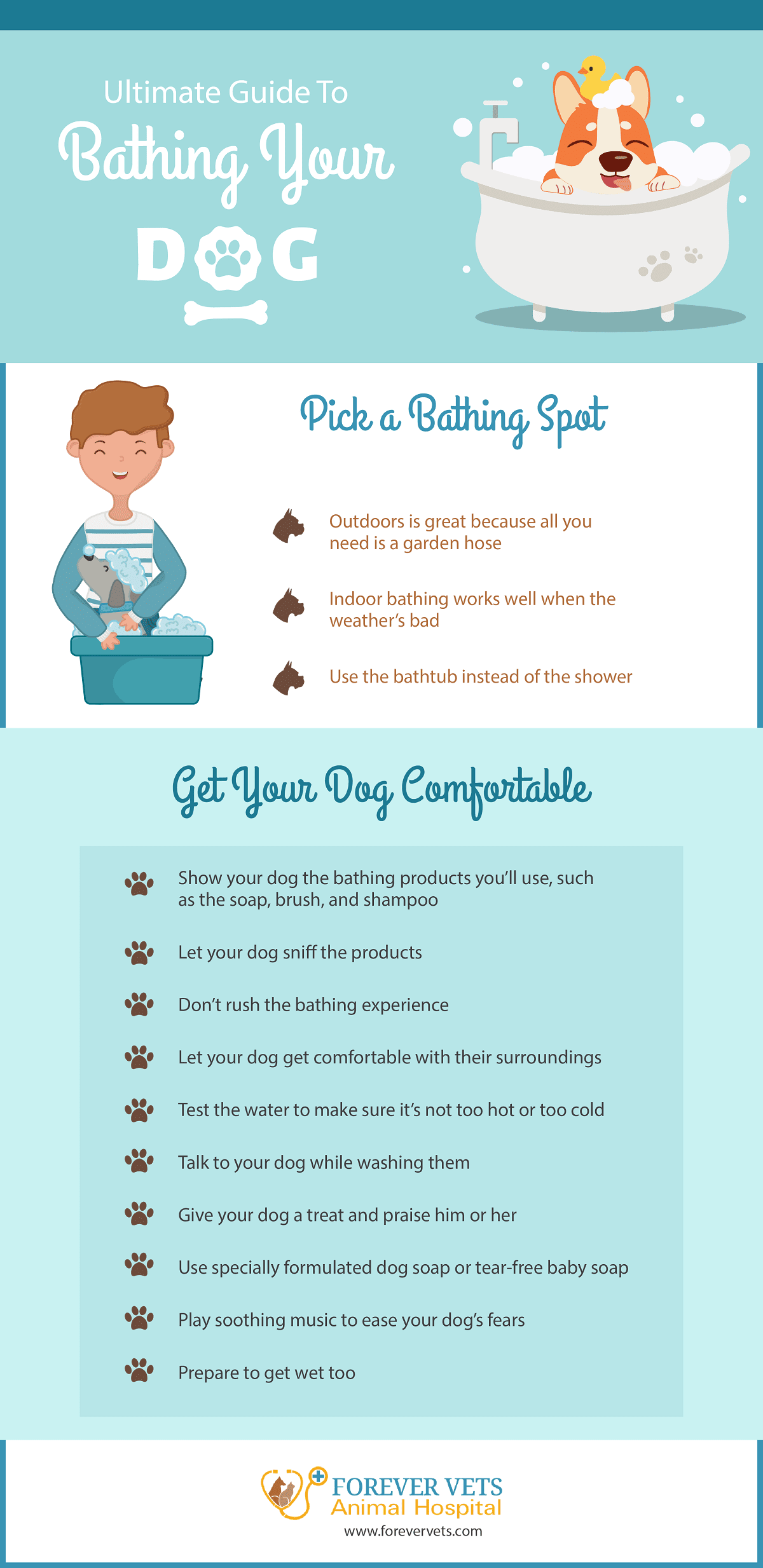
Before you start the bathing process, it’s crucial to prepare both your dog and the bathing environment. A calm, organized space minimizes stress for your dog and ensures a smooth, safe wash. Begin by choosing a suitable location—bathtubs, walk-in showers, or even designated dog washing stations work well, depending on your dog’s size and comfort level. Make sure the area is clean, free of hazards, and equipped with non-slip mats to prevent slipping accidents, especially since dogs can be nervous during baths.
Next, consider your dog’s temperament and comfort level with water. If your pup is anxious or new to baths, introduce them gradually to the bathing space beforehand, using treats and praise to create a positive association. For dogs that are highly energetic or nervous, it might help to set up a calming environment with gentle music or familiar toys nearby. Also, ensure your dog is calm and relaxed before beginning—avoid bathing immediately after vigorous play or meals, which can make the process more challenging.
Finally, gather your supplies and make sure everything you need is within reach. This includes dog-specific shampoo, towels, brushes, and any grooming tools you plan to use. Having everything prepared beforehand not only saves time but also helps keep your dog still and patient during the wash. By setting up thoughtfully, you’ll create a stress-free environment that makes post-daycare baths a more pleasant experience for everyone involved.
Gathering the Necessary Supplies for a Safe and Effective Dog Bath
Using the right supplies is key to a safe, effective, and enjoyable dog bathing experience. Start with a high-quality dog shampoo formulated for your pet’s specific coat and skin type—whether they have sensitive skin, a long coat, or a double coat, choosing appropriate products prevents irritation and promotes healthy skin. Additionally, consider using a conditioner if your dog’s coat is long or prone to tangles, which makes grooming easier and keeps their coat shiny.
Beyond shampoo, essential supplies include a gentle brush suitable for your dog’s hair type, waterproof towels for quick drying, and a cup or sprayer for rinsing. For larger dogs, a handheld showerhead can make rinsing easier and more thorough, while for smaller breeds, a simple washcloth can suffice. If your dog has any skin conditions or allergies, consult your veterinarian for specific grooming products or medicated shampoos. Also, keep some treats handy to reward good behavior and help your dog associate baths with positive experiences.
Safety is paramount, so avoid using human shampoos or harsh chemicals that can upset your dog’s skin or cause allergic reactions. Also, consider adding a non-slip mat to your bathing area to prevent slipping and injuries. Grooming gloves or brushes can help remove loose fur and dirt before the bath, reducing the amount of mess and making the cleaning process more efficient. Preparing these supplies in advance sets the stage for a safe, comfortable bath that keeps your dog healthy and happy.
Step-by-Step Guide to Washing Your Dog After a Daycare Visit
Once everything is ready, following a structured process makes dog bathing more effective and less stressful. Begin by gently wetting your dog’s coat with lukewarm water—test the temperature first to ensure it’s comfortable and not too hot or cold. Avoid pouring water directly on their head initially; instead, wet their body and legs, as this helps keep them calm. Using a cup or showerhead, thoroughly rinse to remove loose dirt, mud, and debris accumulated during their day at daycare.
Next, apply a suitable amount of dog shampoo, working it into a lather from neck to tail. Be mindful around sensitive areas such as the face, ears, and eyes—use a damp cloth for these parts if needed. Massage gently to clean the coat and skin, paying attention to areas prone to dirt buildup, like behind the ears, under the chest, and around the paws. This step not only cleans but also promotes blood circulation and provides a bonding opportunity for you and your dog.
Finally, rinse thoroughly to remove all soap residue, which can cause irritation if left on the skin. Take your time to ensure no shampoo is left behind—residue can lead to itching or skin infections. Once rinsed, gently squeeze excess water from the coat and move on to drying. Proper washing and rinsing are fundamental to maintaining your dog’s health, so patience and attentiveness during this process will yield the best results.
Drying and Grooming Techniques to Keep Your Dog Comfortable and Healthy
After rinsing, the drying process is just as important as washing, especially for dogs with thick or long coats. Start by blotting your dog with a clean, absorbent towel to remove as much moisture as possible—avoid vigorous rubbing, which can tangle fur or irritate the skin. For dogs that tolerate it, a blow dryer set on a low, cool setting can expedite drying, but always keep the dryer at a safe distance and watch for signs of discomfort.
Grooming doesn’t end with drying; it’s the perfect opportunity to inspect your dog’s coat and skin for any abnormalities such as lumps, redness, or parasites. Use a slicker brush or a grooming comb to remove loose fur, prevent matting, and keep the coat healthy. Long-haired breeds benefit from regular trimming and detangling, while shorter-haired dogs may only need occasional brushing. Regular grooming not only keeps your dog looking tidy but also reduces shedding and skin issues, enhancing their overall well-being.
Finally, consider conditioning your dog’s coat with a pet-safe spray or leave-in conditioner to add moisture and shine. This is especially beneficial for dogs with dry or sensitive skin. When your dog is comfortably dry and groomed, create a cozy space for them to relax—this helps reinforce positive associations with bath time. Regular grooming and proper drying techniques will keep your pup feeling comfortable, looking great, and healthy between professional grooming sessions.
Tips for Preventing Future Messes and Maintaining Cleanliness After Playdates
After a fun day of socializing and playing at doggy daycare, it’s natural for your dog to come home a bit muddy or messy. The best way to keep your home clean is to develop a routine that minimizes dirt transfer and makes cleanup easier. One effective tip is to designate a specific “dirty paws” area—such as a mat or towel—near the door where your dog can be wiped down before entering the house. Use pet-safe wipes or a damp cloth to remove mud and debris from their paws and coat.
Investing in protective gear like dog booties or a washable harness cover can also help keep their fur cleaner during outdoor play, especially in muddy or rainy conditions. Regularly trimming long hair around the paws, legs, and belly reduces the amount of dirt and debris that gets trapped in their coat. Additionally, establishing a quick post-playtime grooming routine—such as brushing or wiping your dog—can significantly decrease the amount of mud and dirt that gets tracked inside.
Finally, maintaining regular cleaning habits in your home—like washing your dog’s bedding, vacuuming carpets, and cleaning paws before they come inside—helps sustain a cleaner environment. Using washable mats and towels at entry points makes cleanup straightforward and less messy. Consistency is key; by establishing these habits, you’ll not only keep your home tidier but also reinforce good hygiene and comfort for your furry friend after every adventure.
Conclusion
Properly washing your dog after a daycare visit is essential for their health, comfort, and happiness. By preparing the bathing area and your dog in advance, gathering the right supplies, and following a step-by-step cleaning routine, you can turn bath time into a positive experience. Thorough washing, gentle grooming, and effective drying techniques help maintain your dog’s coat and skin health, while preventative tips ensure your home stays cleaner after playdates. Remember, consistency and patience are key—your dog will thank you for taking the time to keep them fresh, healthy, and happy after every fun-filled day. With these best practices, bathing becomes not just a routine chore but an opportunity to bond and care for your beloved pet.