


How to Safely Wash a Dog with Puffy Skin or Swelling: Tips & Guidelines
Caring for a dog with puffy skin or swelling can be a delicate process. When your furry friend exhibits signs of skin puffiness or swelling, it’s often a sign that their skin is inflamed, irritated, or affected by underlying health issues. Bathing such a dog requires extra caution, patience, and the right approach to avoid further irritation or discomfort. Whether your dog’s swelling is due to allergies, infections, or other medical conditions, understanding how to wash them safely is crucial for promoting their comfort and skin health.
This article offers a comprehensive guide on how to safely wash a dog with puffy skin or swelling, covering essential topics like understanding the causes, preparing your dog and workspace, selecting suitable products, and providing a step-by-step bathing process. We’ll also discuss post-bath care to ensure your dog’s skin heals and swelling reduces over time. By following these tips and guidelines, you can help your dog feel more comfortable and support their skin health while maintaining a safe bathing routine.
Understanding Puffy Skin and Swelling in Dogs: Causes and Precautionary Measures
Puffy skin and swelling in dogs can be caused by a variety of underlying issues, ranging from allergic reactions to infections or even systemic health problems. Recognizing the root cause is vital before attempting any bathing routine. Often, swelling appears as enlarged, inflamed, or raised patches on the skin, which may be accompanied by redness, warmth, or tenderness.
Common causes of puffy skin and swelling include allergies—either environmental, food-related, or contact allergies—leading to dermatitis or hives. Infections such as bacterial, fungal, or parasitic infestations often cause localized swelling and discomfort. Additionally, conditions like insect bites, insect sting reactions, or even more serious health issues like heart or kidney problems can manifest as generalized or localized swelling. Consulting your veterinarian for proper diagnosis is always the safest first step before starting any skin treatment or bathing routine.
Precautionary measures are essential to avoid exacerbating your dog’s condition. Never attempt to bathe a dog with severe swelling or open wounds without veterinary guidance, as water may irritate the skin further or introduce infection. Instead, focus on gentle handling, avoiding vigorous scrubbing, and using products specifically designed for sensitive or inflamed skin. Monitoring your dog closely for signs of discomfort during bathing—such as whining, scratching, or licking—is also key to ensuring a humane and safe process.
Preparing Your Dog and Workspace for a Safe and Comfortable Bath
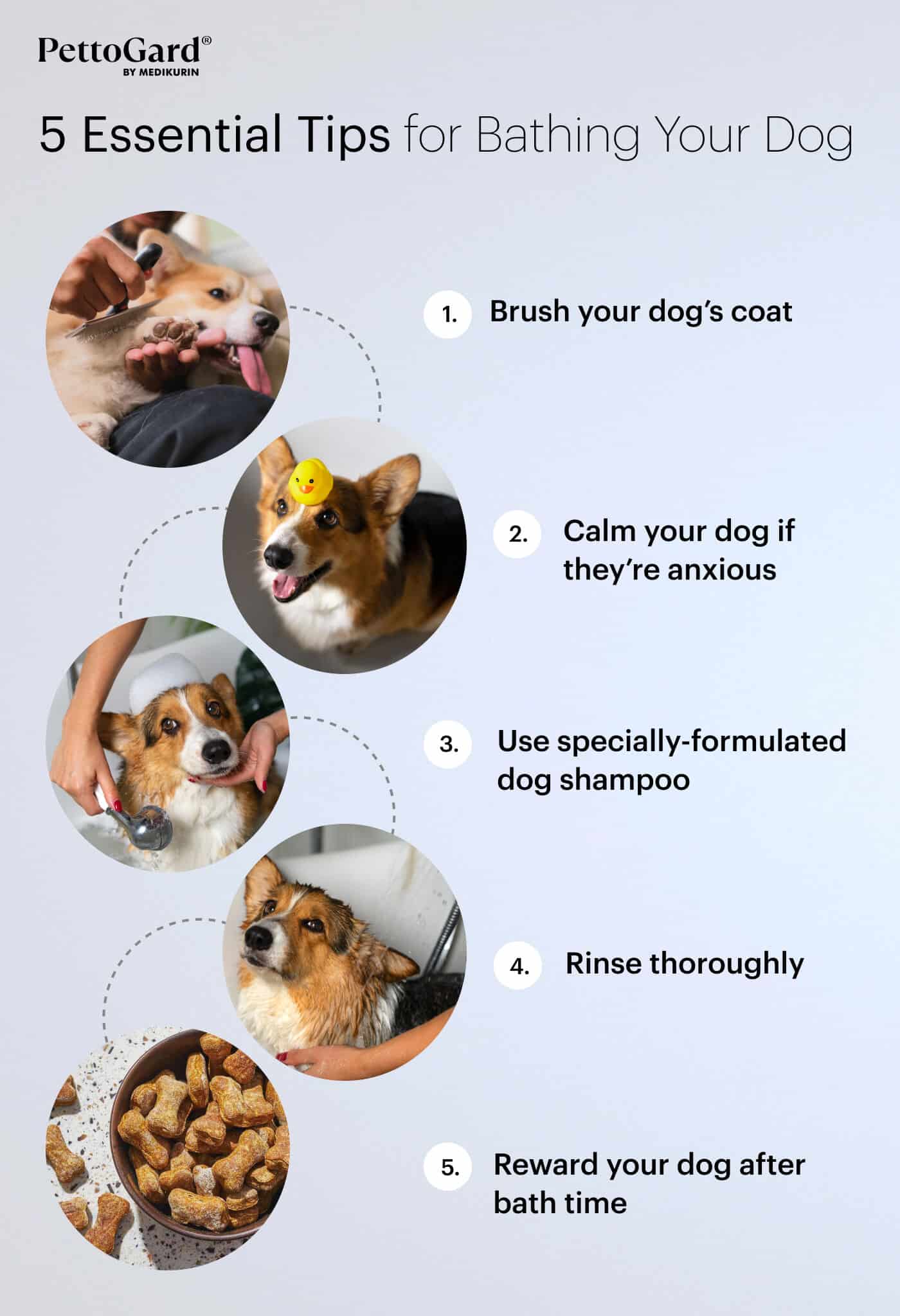
Preparation is the foundation of a safe bathing experience for a dog with puffy skin or swelling. Start by gathering all necessary supplies beforehand—such as a gentle, hypoallergenic shampoo recommended by your vet, soft towels, a non-slip mat for the tub or sink, and a few treats to keep your dog calm and cooperative. Ensuring your workspace is clean, quiet, and free from distractions can help reduce your dog’s anxiety and make the process smoother.
Prioritize your dog’s comfort by choosing a warm, draft-free environment for the bath. Dogs with swollen skin are often more sensitive to temperature extremes, so lukewarm water (not hot or cold) is ideal. Before starting, gently brush your dog to remove loose hair and debris, which can help prevent matting and reduce the chance of skin irritation during washing. If your dog seems particularly anxious or uncomfortable, consider doing a short, calming session of petting or offering treats beforehand to foster a sense of trust.
Handling your dog with care during preparation is crucial. Use gentle restraint techniques, such as wrapping your dog in a towel or using a calm, reassuring voice. Keep the bathing area secure—using a non-slip mat can prevent slipping and injury, especially since dogs with puffy or swollen skin might be more prone to discomfort or balance issues. Ensuring your dog feels secure and relaxed before beginning can significantly reduce stress and make the bathing process safer for both of you.
Selecting the Appropriate Dog-Friendly Shampoo and Skin Care Products
Choosing the right shampoo is perhaps the most critical step when bathing a dog with puffy skin or swelling. Not all shampoos are suitable for sensitive or inflamed skin, so selecting a product that is gentle, hypoallergenic, and free of harsh chemicals is essential. Many veterinary dermatologists recommend medicated or allergy-specific shampoos containing ingredients like oatmeal, aloe vera, or ceramides, which can soothe irritation and support skin healing.
Avoid harsh, synthetic fragrances, dyes, or alcohol-based products that can irritate sensitive skin. Instead, look for shampoos labeled as “hypoallergenic,” “mild,” or “designed for sensitive skin.” If your dog’s swelling is related to a known allergy or skin condition, your veterinarian may prescribe medicated shampoos containing ingredients like chlorhexidine or miconazole to address specific infections. Always follow the instructions for dilution and application, and consult your vet if unsure about which product best suits your dog’s condition.
In addition to shampoo, consider incorporating complementary skin care products such as soothing sprays, topical treatments, or barrier creams recommended by your veterinarian. These can help reduce inflammation, protect the skin barrier, and promote healing after the bath. Remember, the goal is to keep the skin clean without stripping away natural oils or causing further irritation, so prioritizing gentle, veterinarian-approved products is key.
Step-by-Step Guide to Washing a Dog with Puffy Skin or Swelling
Bathing a dog with puffy or swollen skin requires a gentle, systematic approach. Start by placing your dog on a non-slip surface to provide stability and prevent slipping. Wet the coat thoroughly with warm water, avoiding direct water pressure on swollen or inflamed areas to prevent discomfort. Use a cup or gentle sprayer to control water flow and ensure sensitive areas are handled delicately.
Next, apply a small amount of the recommended gentle shampoo, lathering softly with your fingers rather than vigorous scrubbing. Focus on cleaning around the swollen areas without rubbing too harshly, as vigorous friction can worsen inflammation. If your veterinarian has prescribed a medicated shampoo, follow their instructions regarding contact time, usually around 5 to 10 minutes, to allow the active ingredients to work effectively. Rinse thoroughly with lukewarm water to remove all shampoo residues, being especially cautious around swollen or tender patches.
Finally, gently pat the dog dry with a soft towel—avoid rubbing, which can irritate puffy or inflamed skin further. If your dog tolerates it, you can use a blow dryer on a low, cool setting at a safe distance, but only if it does not cause discomfort. Throughout the process, communicate calmly with your dog, offering treats and reassurance to create a positive experience. Remember to monitor their reactions closely and stop immediately if they show signs of distress or increased discomfort.
Post-Bath Care and Monitoring for Skin Health and Swelling Reduction
Post-bath care is just as vital as the washing process itself, especially for a dog with puffy or swollen skin. After drying, examine your dog’s skin carefully for any changes, such as increased redness, further swelling, or signs of irritation. Applying topical medications, if prescribed by your vet, should be done as directed, focusing on affected areas to support healing and reduce inflammation.
Maintaining a gentle skincare routine can help prevent future flare-ups and promote skin recovery. Consider applying soothing aloe vera gel or medicated sprays recommended by your veterinarian to calm inflamed skin. Keep your dog’s environment clean and free from allergens or irritants that could trigger swelling. Regularly monitor your dog’s skin condition, and document any changes to share with your veterinarian for ongoing management.
Observe your dog’s overall health during this period. Swelling and skin puffiness may resolve with proper care, but if you notice signs of worsening condition, such as spreading redness, open wounds, or signs of systemic illness—like lethargy, loss of appetite, or fever—seek veterinary attention promptly. Consistent follow-up, combined with gentle bathing and skin care, can significantly improve your dog’s comfort level and skin health over time.
Conclusion
Bathing a dog with puffy skin or swelling requires a careful, gentle approach grounded in understanding your pet’s specific condition. From identifying causes and taking proper precautions to choosing suitable products and following a detailed bathing routine, every step plays a role in ensuring safety and comfort. Post-bath care and vigilant monitoring further support skin healing and swelling reduction, helping your dog feel better faster.
Remember, always consult your veterinarian for personalized advice, especially if the swelling is severe, persistent, or accompanied by other concerning symptoms. Patience, gentle handling, and using the right products can turn bath time into a healing, calming experience for your furry companion. By prioritizing your dog’s comfort and skin health, you’re taking a vital step toward their overall well-being and happiness.