


How to Safely Wash a Dog with No Tail: Tips for a Gentle Cleanse
Caring for a dog involves more than just feeding and playing — it includes regular grooming and bathing to keep your furry friend healthy, comfortable, and happy. While most dog owners are familiar with bathing dogs that have tails, dogs without tails—whether they’re breeds like the French Bulldog or certain mixed breeds—require a slightly different approach. Their unique anatomy and skin sensitivities mean that a gentle, tailored cleaning process is essential to prevent discomfort or skin issues.
In this article, we’ll explore everything you need to know about how to safely wash a dog with no tail. From understanding their specific care needs to preparing the bathing area, executing the proper bathing technique, and maintaining hygiene afterward, we’ll guide you step-by-step to ensure your tailless dog receives a gentle, effective cleanse. This information not only helps keep your pet clean but also promotes their overall well-being. Whether you’re a new dog parent or someone looking for specific tips, this comprehensive guide aims to make bath time safe, stress-free, and beneficial for your beloved companion.
Understanding the Unique Care Needs of Dogs Without Tails
Dogs without tails, such as French Bulldogs, Boston Terriers, or certain breeds with naturally short or docked tails, present unique grooming considerations. Their anatomy means that the typical grooming and bathing routines might need adjustments to accommodate their skin folds and sensitive areas. These breeds are often prone to skin problems like irritation, infections, or yeast overgrowth in areas where moisture can accumulate, especially in skin folds or around their hindquarters.
One key aspect of caring for tailless dogs is paying close attention to their skin folds. These folds can trap dirt, debris, and moisture, creating an environment conducive to bacterial or fungal growth. Regular inspection and cleaning of these areas are essential to prevent infections. Additionally, because they lack a tail, the usual approach of cleaning around the tail base is unnecessary, but you should be vigilant about other areas prone to trapping debris, such as under the tail or between skin folds.
Another consideration is the breed-specific skin sensitivities. Many tailless breeds have delicate skin that can be more prone to irritation or sensitivity. Using gentle, hypoallergenic shampoos and avoiding harsh chemicals is crucial. It’s also important to keep bathing frequency appropriate; over-bathing can strip natural oils, leading to dryness and irritation. Typically, bathing every 4-6 weeks, or as advised by your veterinarian, is sufficient unless your dog gets particularly dirty or develops skin issues.
Preparing Your Dog and Bathing Area for a Tail-Free Wash
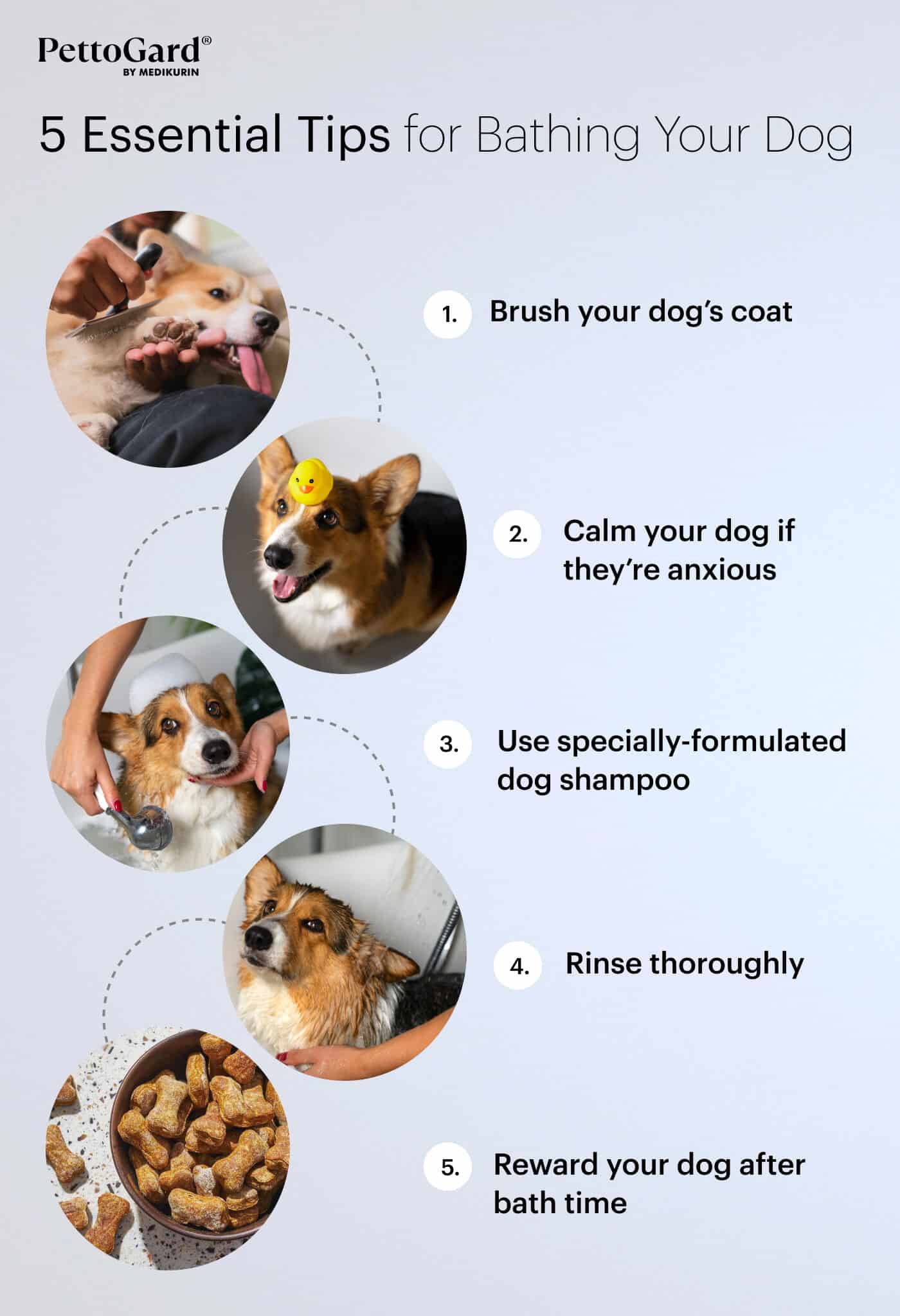
Preparation is the foundation of a safe and stress-free bath for your dog with no tail. Before starting, gather all necessary supplies—mild, vet-recommended shampoo, soft washcloths or sponges, towels, and possibly a non-slip mat for the bathing area. This prevents last-minute scrambling and ensures everything is within reach. It’s also helpful to brush your dog’s coat beforehand to remove loose hair, dirt, and debris that could clog your drain or hinder the cleaning process.
Choosing the right bathing location is equally important. A bathtub, large sink, or dedicated pet-washing station with non-slip surfaces works well. Using a non-slip mat helps prevent your dog from slipping, especially since tailless breeds can sometimes have smaller or more fragile frames. Ensure the water temperature is lukewarm—hot water can scald sensitive skin, while cold water may cause discomfort. Test the water with your wrist before starting to ensure it’s comfortably warm for your dog.
Creating a calm environment reduces stress and makes the process smoother. Speak softly, use reassuring tones, and handle your dog gently throughout the process. If your dog is particularly anxious, consider familiarizing them with the bathing area beforehand, or offering treats and praise to promote positive associations. Remember, patience and a gentle touch go a long way when bathing a dog without a tail, especially if they’re not used to water or grooming routines.
Step-by-Step Guide to Safely Washing a Dog Without a Tail
1. Wetting Your Dog Gently: Start by dampening your dog’s coat with lukewarm water, avoiding the face and ears initially. Use a handheld showerhead or a cup to control the water flow, ensuring it’s gentle to prevent startling your pet. Focus on areas prone to dirt buildup, such as the face, chest, and underbelly, but avoid excessive scrubbing.
2. Applying Shampoo Carefully: Use a mild, hypoallergenic dog shampoo formulated for sensitive skin. Dilute the shampoo if recommended, and lather gently, paying special attention to skin folds or areas with irritation tendencies. Since your dog has no tail, there’s no need to clean around the tail base, but make sure to clean the hindquarters thoroughly, avoiding harsh scrubbing.
3. Cleansing Skin Folds and Sensitive Areas: For dogs with prominent skin folds, use a soft cloth or sponge to clean these areas carefully. You may need to use a specialized wipe or a damp cloth with the same gentle shampoo. Be thorough but gentle to avoid causing discomfort or skin abrasions. Rinse these areas well, ensuring no shampoo residue remains.
4. Rinsing Completely: Proper rinsing is critical to prevent skin irritation. Use ample lukewarm water to remove all soap residues, especially in skin folds. Leftover shampoo can cause itching or dryness. Double-check all areas, including around the face, paws, and inner thighs, to ensure a complete rinse.
5. Cleaning the Face: Use a damp cloth or sponge to gently clean your dog’s face, avoiding direct water spray into the eyes, ears, and nose. For ear cleaning, use a vet-recommended ear cleaner and follow instructions carefully. Pat the face dry with a soft towel afterward.
6. Final Checks: Before drying, inspect skin for any signs of irritation, redness, or unusual odors. Address any concerns promptly, and consult your veterinarian if necessary. Ensure your dog is comfortable and calm before moving to the drying stage.
Drying and Post-Bath Care for Dogs with No Tails
Proper drying is crucial to prevent skin irritation or infections, especially since moisture trapped in skin folds can lead to fungal or bacterial growth. First, gently towel dry your dog, patting rather than rubbing, to absorb excess water without irritating their delicate skin. For dogs with thicker coats or prone to dampness, a blow dryer on a low, cool setting can be used cautiously, ensuring not to overheat or scare your pet.
Pay special attention to drying skin folds and areas around the hindquarters. Using a soft towel or a small, hand-held dryer directed at these areas can help prevent moisture buildup. If you choose to use a blow dryer, keep it at a safe distance and on a cool setting. Always monitor your dog’s response; some dogs find the noise frightening, so gentle reassurance and patience are key.
Post-bath care also involves inspecting your dog’s skin for any abnormalities, such as redness, swelling, or foul odors. If you notice signs of irritation, consult your veterinarian for appropriate treatment. Additionally, brushing your dog’s coat after drying not only helps remove loose hairs but also stimulates circulation and keeps the skin healthy. Regularly checking their skin and coat helps catch potential issues early and keeps your tailless dog comfortable and clean.
Tips for Maintaining Cleanliness and Preventing Skin Issues in Tailless Dogs
Maintaining hygiene in dogs without tails is an ongoing process that requires attention to detail. Regular brushing helps remove dirt, loose hair, and debris that could accumulate in skin folds or around the hindquarters. Incorporate gentle, daily inspections of your dog’s skin to catch early signs of irritation, infection, or parasites. Early intervention can prevent more serious health issues down the line.
In addition to regular grooming, establishing a consistent bathing routine—typically every 4 to 6 weeks—is key. Using gentle, vet-recommended shampoos suited for sensitive skin minimizes irritation and maintains natural oils. Avoid over-bathing, as excessive washing can dry out the skin, especially in breeds predisposed to dryness or allergies. During between-bath days, wipe down your dog’s coat with damp cloths or grooming wipes to keep them fresh.
Lastly, paying attention to environmental factors such as keeping bedding clean, controlling moisture in living areas, and avoiding exposure to irritants or allergens can make a significant difference. If your dog tends to develop skin issues, consult your veterinarian for tailored advice, which may include medicated shampoos or topical treatments. Promoting good hygiene, a healthy diet, and regular veterinary visits can help ensure your tailless dog remains happy, healthy, and comfortable.
Conclusion
Bathing a dog with no tail may require some adjustments, but with patience and gentle care, it can be a safe and soothing experience for your furry friend. Understanding their unique skin needs, preparing the right environment, and following a careful step-by-step process ensures a thorough yet gentle cleanse that promotes overall health. Remember to focus on drying and post-bath care, paying special attention to skin folds and sensitive areas to prevent infections and irritation.
Consistent maintenance and attentive grooming are the best ways to keep your tailless dog comfortable and happy. By using the right products, handling them with care, and staying vigilant about their skin health, you can make bath time a positive routine rather than a stressful chore. With these tips and insights, you’re well-equipped to provide your beloved companion with a safe, effective, and nurturing cleansing experience.