

How to Safely Wash Your Dog After Recovering from Mange: A Step-by-Step Guide
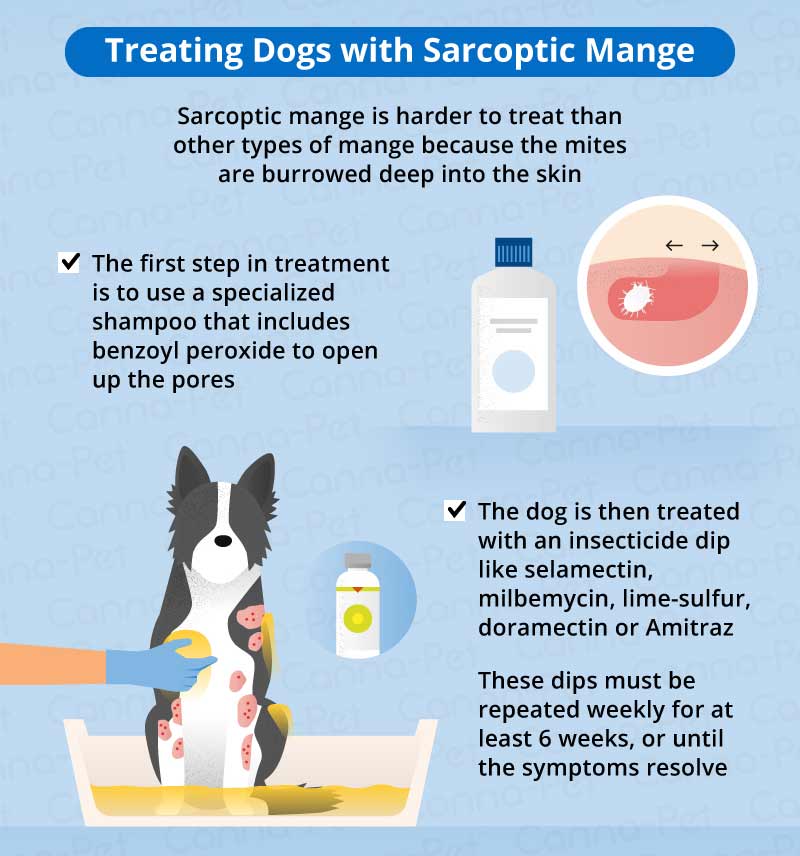
Recovering from mange can be a challenging journey for both dogs and their owners. Mange, caused by mites such as Sarcoptes scabiei or Demodex, results in itchy, irritated, and often inflamed skin. Once treatment is underway or completed, it’s crucial to ensure your dog’s skin is properly cared for to promote healing and prevent future issues. Proper bathing not only helps remove residual mites or debris but also soothes irritated skin and supports the recovery process. If you’re wondering how to safely wash your dog after mange, this comprehensive guide will walk you through each step—while emphasizing safety, proper product selection, and post-bath care to keep your furry friend comfortable and healthy.
Assessing Your Dog’s Skin Condition Before the Bath
Before you reach for the shampoo, it’s essential to evaluate your dog’s current skin health. Mange can cause a wide range of skin issues, from mild irritation to severe inflammation or open sores. Take a close look at your dog’s skin: check for redness, swelling, scabs, crusts, open wounds, or signs of secondary infections. If your dog is still experiencing intense itching, hair loss, or has open or bleeding skin, it’s best to consult your veterinarian before proceeding with a bath. Sometimes, a vet may recommend specific medications or topical treatments to be used during or after bathing for optimal healing.
Monitoring your dog’s overall health is equally important. If your dog shows signs of systemic illness—such as lethargy, loss of appetite, or fever—additional veterinary care is necessary. Also, observe for any signs of discomfort or excessive pain when touching certain areas. In some cases, it’s advisable to wait until the skin has calmed down and less inflammation is present, as bathing irritated or broken skin improperly can worsen discomfort or damage. Remember, patience and careful assessment are key to ensuring your dog’s safety and comfort.
Finally, consider the stage of recovery. If your dog has just finished treatment or is in the early stages of healing, gentle handling is paramount. Avoid aggressive scrubbing or using harsh products that might irritate sensitive skin. Instead, focus on gentle rinsing and soothing cleansers that assist in the healing process. By carefully assessing your dog’s skin condition beforehand, you’ll set a solid foundation for a safe and effective bathing routine that promotes recovery rather than setbacks.
Choosing the Appropriate Dog Shampoo for Mange Recovery
Selecting the right shampoo is one of the most important steps when washing a dog recovering from mange. Not all shampoos are created equal, especially when skin is inflamed or compromised. Look for products formulated specifically for sensitive or irritated skin, ideally those with soothing and healing ingredients such as oatmeal, aloe vera, or chamomile. These ingredients can reduce itching, moisturize dry skin, and promote healing without causing further irritation.
In terms of active ingredients, medicated shampoos containing sulfur, chlorhexidine, or miconazole can be beneficial, especially if there’s a secondary bacterial or fungal infection on the skin. However, these should only be used under veterinary guidance, as overuse or incorrect application may interfere with the healing process. For milder cases, a gentle, hypoallergenic, and fragrance-free shampoo may suffice. Always read labels carefully, avoiding harsh chemicals, artificial fragrances, or dyes that could aggravate sensitive skin.
Additionally, it’s critical to consider your dog’s specific needs—age, breed, and severity of skin issues. For example, puppies or small breeds with delicate skin will benefit from extra gentle formulations, whereas larger dogs or those with more severe mange may require medicated options prescribed by a vet. Consulting your veterinarian for personalized recommendations ensures that you select a shampoo that supports healing, minimizes discomfort, and keeps your dog’s skin healthy during recovery.
Preparing Your Dog and Environment for a Gentle and Effective Wash
Preparation is key to making the bathing experience safe and stress-free for your recovering dog. Start by choosing a calm environment where your dog feels secure; this could be a bathroom, a laundry tub, or a designated bathing area. Before the bath, brush your dog gently to remove loose hair, dirt, or debris and to prevent matting during the wash. This also helps in assessing the skin condition more clearly and reduces the risk of skin irritation caused by trapped dirt.
To keep the process smooth, gather all necessary supplies beforehand: your chosen shampoo, a non-slip mat, towels, a cup or gentle spray for rinsing, and possibly a soothing spray or topical treatment recommended by your vet. Use lukewarm water—not hot or cold—as extreme temperatures can cause discomfort or further skin irritation. It’s also beneficial to keep the bathing area quiet and free from sudden noises to minimize stress, especially if your dog is anxious or has tender skin.
If your dog is nervous or sensitive, consider using a calming spray or treats to create a positive association with bath time. Handle your dog gently throughout the process; support their body securely and avoid excessive scrubbing. Preparing your dog and environment properly can drastically improve the experience for both of you, ensuring that the bath is not only effective but also safe and soothing during the delicate stage of mange recovery.
Step-by-Step Guide to Washing a Dog Recovering from Mange
Now, let’s walk through the actual bathing process step-by-step to ensure safety and effectiveness. First, place your dog on a non-slip surface to prevent slipping and injury. Wet your dog’s coat thoroughly with lukewarm water, starting from the neck and working downwards—avoid spraying directly on the face or delicate areas. Gently massage your chosen shampoo into the coat, paying special attention to affected areas but being careful not to cause discomfort or scratch the skin.
Next, allow the shampoo to sit for the recommended duration—usually 5 to 10 minutes—so active ingredients can penetrate and work on the skin. During this time, you can gently massage or soothe your dog to keep them calm. When rinsing, ensure all shampoo residues are thoroughly washed out, as leftover product can cause itching or irritation. Use clean, lukewarm water and be meticulous, especially around sensitive areas such as the face, ears, and genitals.
Finally, gently pat your dog dry with a soft towel, avoiding rough rubbing that might irritate inflamed skin. If your dog tolerates blow-drying, use the lowest heat setting to speed up the process—just be cautious not to overheat or cause discomfort. Throughout the bath, remain calm, speak softly, and reward your dog with praise or treats to create a positive experience. Remember, consistency and gentle handling are essential in ensuring your dog’s skin heals smoothly after mange.
Post-Bath Care and Skin Soothing Treatments for Optimal Healing
After the bath, your dog’s skin requires extra care to support healing and prevent complications. First, apply any topical treatments prescribed by your veterinarian, such as medicated creams, soothing sprays, or healing ointments. These products often contain ingredients like aloe vera or hydrocortisone to reduce inflammation and itching, helping your dog feel more comfortable. Always follow your vet’s instructions for application frequency and amount to avoid overuse or adverse reactions.
Keeping your dog’s environment clean and comfortable is equally vital. Regularly wash bedding, toys, and towels to prevent re-infestation or bacterial infections. If your dog is still prone to scratching or biting affected areas, consider using an Elizabethan collar, or “cone,” to prevent self-inflicted injuries. Providing a calm, quiet space for rest and recovery promotes comfort and reduces stress, which can positively influence skin healing.
Finally, supplement your dog’s diet with omega-3 fatty acids or skin-supporting nutrients recommended by your veterinarian. These can help improve skin elasticity, reduce inflammation, and promote a healthier coat. Monitor your dog for any signs of ongoing irritation, secondary infection, or allergic reactions, and schedule follow-up veterinary visits as necessary. Proper post-bath care, combined with gentle handling and supportive treatments, ensures your dog recovers comfortably and thoroughly from mange.
Conclusion
Caring for a dog recovering from mange requires patience, careful assessment, and gentle handling—especially during bath time. By thoroughly evaluating your dog’s skin condition, selecting suitable shampoos, preparing the environment, following a detailed washing routine, and providing attentive post-bath care, you can significantly enhance your dog’s healing process. Remember that each dog’s recovery journey is unique, so staying in close contact with your veterinarian is essential for tailored advice and effective treatment. With love, gentle care, and the right approach, you’ll help your furry friend heal faster and regain their healthy, happy self. Keep learning, stay attentive to your dog’s needs, and enjoy the bond that grows stronger through caring efforts.