


How to Safely Wash a Dog With Underdeveloped Fur: Tips and Tricks
Caring for a dog with underdeveloped or fragile fur can be a delicate process. These dogs often have sensitive skin, sparse or fine hair, and may be prone to irritation or discomfort during grooming routines. Proper bathing is essential—not only for cleanliness but also for maintaining skin health and encouraging healthier fur growth. If you’re new to caring for such dogs or want to ensure you’re doing it safely and effectively, this guide will walk you through all the essential steps—from understanding your dog’s unique needs to post-bath care and long-term skin health tips.
In this article, we’ll explore how to safely wash a dog with underdeveloped fur, covering preparation, gentle washing techniques, drying methods, and preventative care. Whether you have a puppy, a breed with naturally sparse fur, or a dog recovering from skin issues, these tips will help you keep your furry friend comfortable and healthy.
Understanding the Needs of Dogs with Underdeveloped Fur
Dogs with underdeveloped or sparse fur have unique grooming needs that differ from those with thick coats. Their sensitive skin is often more exposed to environmental elements, making them prone to dryness, irritation, and even skin infections. This requires a gentle approach to bathing, as harsh chemicals, rough handling, or improper drying can cause discomfort or damage.
It’s important to recognize that underdeveloped fur usually indicates a breed trait, a developmental stage, or a health condition. For example, puppies often have fine, sparse fur that thickens over time, while certain breeds naturally possess less dense coats. If your dog is recovering from illness or skin issues, their fur might be temporarily sparse, requiring careful attention. Understanding your dog’s specific breed characteristics and health background can help tailor your grooming routine appropriately.
Additionally, dogs with delicate fur tend to have thinner skin underneath, which makes them more susceptible to sunburn, skin infections, and irritation. Regular grooming not only helps keep them clean but also allows you to monitor their skin for any abnormalities. Using the right products and techniques ensures you’re supporting their skin’s health and encouraging healthy fur development over time.
Preparing Your Dog for Bathing and Gathering Supplies
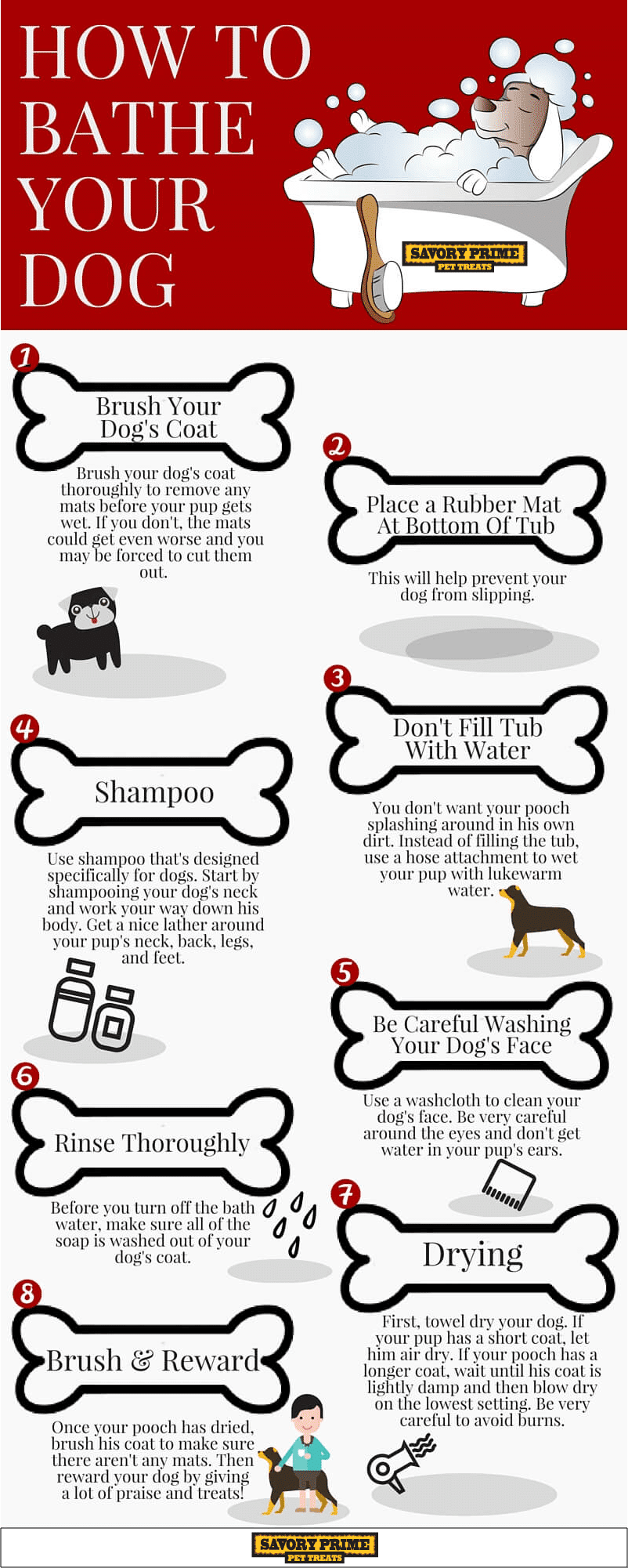
Preparing your dog before a bath is crucial, especially when dealing with delicate fur. Start by choosing a calm environment where your dog feels safe. Before the bath, brush your dog gently to remove loose hair, dirt, or debris—this reduces matting and makes the washing process more effective. Use a soft-bristled brush suited for fine or sensitive fur, and be gentle around any sore spots or areas that look irritated.
Gather all your supplies beforehand to streamline the process and minimize stress. You’ll need a mild, dog-specific shampoo formulated for sensitive skin—avoid human shampoos or products with harsh chemicals. Consider using a conditioner designed for delicate fur if recommended by your veterinarian, as it can help moisturize and protect the skin. Have a non-slip mat, towels, and a cup or detachable shower head ready for rinsing. Some owners also find it helpful to have treats or toys on hand to reward calm behavior.
Temperature control is also vital. Use lukewarm water—not hot or cold—to prevent skin irritation. Keep the water level shallow enough to avoid accidental drowning or discomfort, especially for small or nervous dogs. Setting up in a quiet, comfortable area minimizes stress, and speaking softly throughout the process helps reassure your dog. Proper preparation ensures a smoother, safer bath that promotes positive grooming experiences.
Gentle Techniques for Washing Dogs with Sparse or Fragile Fur
When washing a dog with underdeveloped or fragile fur, gentleness is key. Use a very mild, tear-free shampoo designed for sensitive skin. Diluting the shampoo with water can help reduce its potency and make it gentler on delicate fur and skin. Start by applying the diluted shampoo to the back or neck area, gently massaging in circular motions, and avoiding vigorous scrubbing that could cause irritation.
Focus on areas prone to dirt or oil buildup, such as paws, face, or underbelly, but handle these regions with extra care. For the face, use a damp washcloth rather than pouring water directly to prevent water from entering the eyes or ears. Be cautious around sensitive spots, rashes, or sore areas—pat instead of scrub. Rinse thoroughly with lukewarm water to remove all soap residue, as leftover shampoo can cause itching or dryness over time.
Patience during washing is essential—especially if your dog is nervous or sensitive. Take breaks if needed, and speak soothingly to keep them calm. After rinsing, gently squeeze excess water from the fur without pulling or rubbing. A gentle towel dry immediately afterward helps absorb remaining moisture without damaging the fine hair. Using a soft, absorbent towel rather than a rough one minimizes skin irritation and prepares your dog for drying.
Proper Drying and Post-Bath Care to Protect Sensitive Skin
Drying a dog with underdeveloped fur requires extra care to prevent skin irritation or cold-related discomfort. Start by blotting the fur gently with a soft towel, pressing softly rather than rubbing vigorously. If your dog tolerates it, you can use a blow dryer on the lowest heat setting, keeping the nozzle at least several inches away from the skin. Always test the dryer on yourself first to ensure the temperature isn’t too hot.
Air drying in a warm, draft-free environment is often the safest option for dogs with sensitive or fragile fur. Ensure the space is free of sudden drafts or cold surfaces that could chill your dog. If you must use a blow dryer, move it continuously to avoid overheating any area—never leave it in one spot for too long. The goal is to dry the fur thoroughly but gently, reducing the risk of skin irritation or moisture retention that could promote infections.
Post-bath skin care is just as important as the washing itself. Applying a veterinarian-recommended moisturizer or soothing spray can help maintain skin hydration and protect against dryness. Regularly inspecting your dog’s skin after drying allows you to catch any abnormalities early—redness, swelling, or lesions warrant a consultation with your vet. Keeping the skin healthy is essential for encouraging natural fur growth and preventing issues like dermatitis or irritation.
Tips for Maintaining Healthy Fur Development and Preventing Skin Issues
Long-term skin and fur health are critical for dogs with underdeveloped or fragile coats. Providing a balanced diet rich in omega-3 and omega-6 fatty acids can promote healthier skin and fur, supporting natural development over time. Consult your veterinarian for specific recommendations or supplements suited for your dog’s breed, age, and health status. Proper nutrition forms the foundation of a healthy coat and reduces the risk of dryness, itching, or skin infections.
Regular grooming also plays a vital role in maintaining skin health. Gentle brushing stimulates blood flow, distributes natural oils, and removes loose hair or dirt. For dogs with delicate fur, less frequent but careful brushing is preferable—over-brushing can cause irritation or breakage. Always use tools suitable for sensitive skin, such as soft-bristle brushes or rubber grooming gloves, and be attentive to any signs of discomfort.
Finally, routine veterinary check-ups are essential for early detection and management of skin issues. Keep an eye out for symptoms like excessive scratching, hair loss, redness, or unusual odors. Preventing skin problems before they escalate is key to ensuring your dog’s comfort and promoting healthy fur development. Maintaining a consistent, gentle grooming routine combined with proper nutrition and veterinary care creates an environment in which your dog’s skin and fur can thrive.
Conclusion
Caring for a dog with underdeveloped or fragile fur requires patience, gentle handling, and a keen eye for skin health. By understanding their unique needs, preparing properly, using gentle washing techniques, and providing appropriate post-bath care, you can make grooming a safe and positive experience for your furry friend. Consistent attention to nutrition, grooming, and veterinary guidance will support healthy fur growth and help prevent skin issues down the line. Remember, every dog is different—what matters most is tailoring your approach to suit your pet’s individual needs, fostering comfort, and promoting overall well-being. With the right care and techniques, you can ensure your dog stays clean, comfortable, and healthy for years to come.