


How to Wash Your Dog Without Wetting Their Eyes: Easy Tips and Tricks
Giving your dog a bath is an essential part of pet care, keeping their coat shiny, skin healthy, and preventing unpleasant odors. However, many dog owners find bath time stressful—not just for their furry friend but also for themselves—especially when it comes to avoiding water splashing into the dog’s eyes. Wet eyes can cause discomfort, irritation, or even infections, making the whole process more challenging.
In this article, we’ll explore simple, practical techniques and expert tips on how to wash your dog effectively while protecting their delicate eyes. From preparing your pup properly to choosing the right products and mastering specific washing techniques, you’ll learn how to make bath time safer, more comfortable, and less stressful for both of you. Whether you’re a first-time dog owner or looking to improve your grooming routine, these insights will help you turn bath time into a smooth, pleasant experience.
Preparing Your Dog for a Gentle and Effective Wash
Getting your dog ready for a bath is a crucial first step that can set the tone for a calm and efficient grooming session. Before even turning on the water, a few simple preparations can make a big difference in reducing anxiety and ensuring safety, especially when aiming to avoid splashing water into their eyes.
First, choose the right time and environment. A warm, quiet room free from distractions helps your dog relax. Avoid bathing immediately after eating or vigorous play, as a calm and tired dog is easier to handle. Additionally, consider using a rubber mat or towel in the bathing area to prevent slipping, which can be stressful or lead to accidents when trying to avoid water splashes.
Next, introduce your dog to the bath area gradually. Before wetting your dog, let them sniff around and get comfortable with the surroundings. Use treats, praise, and gentle petting to build positive associations with the grooming space. For anxious dogs, a familiar blanket or toy can help soothe nerves. When they seem relaxed, you’re ready to proceed, making the process less intimidating and more manageable.
Finally, brush your dog thoroughly before the bath. Removing loose fur, mats, and debris not only makes the washing more effective but also reduces the amount of water and shampoo needed. Well-brushed coats are easier to clean, and the risk of tugging or causing discomfort during washing decreases. Proper preparation helps ensure a gentle, efficient bath that minimizes the likelihood of accidental water splashes into their eyes.
Choosing the Right Cleaning Products to Protect Your Dog’s Eyes
Selecting suitable grooming products is a key aspect of washing your dog safely—especially when trying to keep their eyes dry and irritation-free. The right products can prevent discomfort, allergic reactions, and accidental contact with chemicals that may harm sensitive eye tissues.
Look for mild, veterinarian-recommended shampoos formulated specifically for dogs. These products are pH-balanced for canine skin and often free from harsh detergents or fragrances that could cause eye irritation. Some shampoos include soothing ingredients like oatmeal or aloe vera, which can be particularly helpful for sensitive or itchy skin. Always read labels carefully and avoid human shampoos, as their formulations are not suitable for dogs.
When it comes to eye protection, consider using specialized tearless or tear-free shampoos. These are designed to minimize the risk of stinging if accidental contact occurs. Additionally, some pet owners prefer to use pre-moistened wipes or damp cloths to clean the face and around the eyes without the need to wet the entire head, reducing splash risks. If your dog has specific eye conditions or sensitivities, consult your veterinarian for tailored product recommendations.
Finally, having additional supplies on hand—such as gentle eye rinses, saline solution, or veterinarian-approved eye drops—can be helpful if any irritation or debris gets into your dog’s eyes during bath time. Remember, the goal is to clean effectively while ensuring the safety and comfort of your dog’s eyes at all times.
Techniques for Washing a Dog Without Splashing Water into Their Eyes
Mastering the art of washing your dog without splashing water into their eyes is a skill that comes with patience and practice. The key lies in gentle handling, strategic positioning, and careful application of water. These techniques help prevent discomfort and reduce stress during grooming.
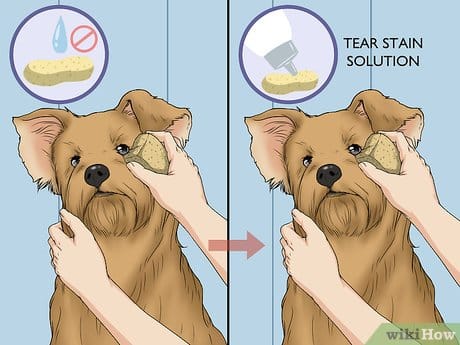
Start with the face and head. Use a damp cloth or gentle, tearless wipe to clean around the eyes, ears, and muzzle. Hold your dog’s head securely but softly, supporting their chin and avoiding direct water contact with the face. When it’s time to rinse, use a handheld sprayer set to a gentle stream or a cup of water carefully poured over the body, avoiding the head area altogether.
Use a bathing tub or sink with a hand-held spray nozzle. This allows you to control the water flow precisely, directing it away from the face. When rinsing the coat, tilt your dog’s body slightly away from you or keep their head elevated. For dogs who resist water near their face, draping a towel or cloth over their eyes and forehead can serve as a barrier against splashes.
Employ the "wrap and rinse" technique. Wrap your dog in a towel or bathing robe, leaving only specific areas exposed at a time. This method reduces the amount of water splashing around and helps you focus on targeted cleaning, especially around the body and legs, while keeping the face dry. Be patient and move slowly, allowing your dog to get accustomed to each step, which ultimately leads to a calmer, safer bath.
Safeguarding Your Dog’s Eye Health During Bath Time
Protecting your dog’s eyes during bathing isn’t just about avoiding splashes—it also involves proactive measures to prevent irritation, infection, and discomfort. An ounce of prevention goes a long way in maintaining their overall eye health and ensuring bath time remains a positive experience.
Begin by keeping water away from the face whenever possible. Using a damp cloth or sponge to clean the face allows you to control contact and prevent accidental splashes. When rinsing the body, direct the water flow downward and away from the head—this natural angle helps water flow away from the eyes and ears.
Regularly check your dog’s eyes for signs of irritation, redness, discharge, or foreign debris, especially after bath time. If you notice any issues, consult your veterinarian promptly. During grooming, avoid using harsh shampoos or chemicals near the eyes, and never forcefully scrub around sensitive areas. If your dog’s eyes are particularly sensitive or prone to irritation, consider protective measures like dog goggles or eye shields during baths.
Finally, be gentle and patient. Rushing or applying excessive pressure can cause accidental injuries or stress. Use calm, reassuring voice commands and treats to keep your dog relaxed. Recognizing signs of discomfort—such as squinting, pawing at the eyes, or watering—allows you to stop and address the problem promptly, protecting your dog’s eye health for the long term.
Tips for Drying and After-Bath Care to Maintain Comfort and Cleanliness
Proper drying and after-bath care are essential steps that ensure your dog remains comfortable, healthy, and free from skin issues. A thorough yet gentle drying process helps prevent chills, skin irritation, and the buildup of dirt or moisture that could cause infections.
Start with patting your dog dry using a soft, absorbent towel. Avoid vigorous rubbing, which can irritate the skin or damage the coat. For dogs with thick or long fur, consider using a blow dryer on a low, cool setting. Keep the nozzle at a safe distance to avoid overheating or frightening your pet. Using a towel to squeeze out excess water before blow-drying reduces the drying time and makes the process more comfortable.
Once your dog is dry, brush their coat thoroughly to remove any remaining loose fur and prevent matting. Regular brushing also stimulates blood flow and distributes natural oils, keeping the coat shiny and healthy. During this process, check the skin and eyes for any signs of irritation, redness, or foreign objects. Keep the bedding clean and dry, especially if your dog tends to get wet or muddy during outdoor activities, to prevent re-contamination.
Finally, consider additional after-bath care, such as applying canine-friendly moisturizers or topical treatments if recommended by your veterinarian. Offering praise, treats, and gentle petting after the bath reinforces positive associations with grooming. Consistent, careful after-bath routines not only maintain your dog’s cleanliness but also promote their overall well-being and comfort in future baths.
Conclusion
Bathing your dog without wetting their eyes may seem challenging at first, but with the right preparation, techniques, and products, it becomes a manageable and even enjoyable routine. Key strategies include selecting gentle, tear-free products, controlling water flow with careful positioning, and protecting your dog’s eyes with cloth barriers and gentle handling. Always prioritize your dog’s comfort and safety by being patient, observant, and proactive in safeguarding their eye health.
Remember, regular grooming is vital for your dog’s hygiene and happiness, and mastering these tips can make bath time faster, safer, and more positive. So, next time you set out to give your furry friend a bath, keep these expert insights in mind—and turn what was once a stressful chore into a calm and caring experience for both of you.