


How to Safely Wash a Dog with a Bald Spot: Tips for Healthy Skin
Caring for a dog with a bald spot can feel like walking a tightrope—you’re eager to keep your furry friend clean and comfortable, but worried about damaging sensitive skin or worsening hair loss. Bathing is an essential part of pet hygiene, helping to prevent infections and maintain a healthy coat, but it requires extra care when bald or patchy areas are involved. The good news is that with the right approach, you can keep your dog clean while promoting skin health and minimizing irritation. This guide will walk you through step-by-step how to safely wash a dog with a bald spot, including how to assess the cause, choose suitable products, use gentle techniques, and support healthy hair regrowth.
Assessing the Cause and Preparing Your Dog for Bathing
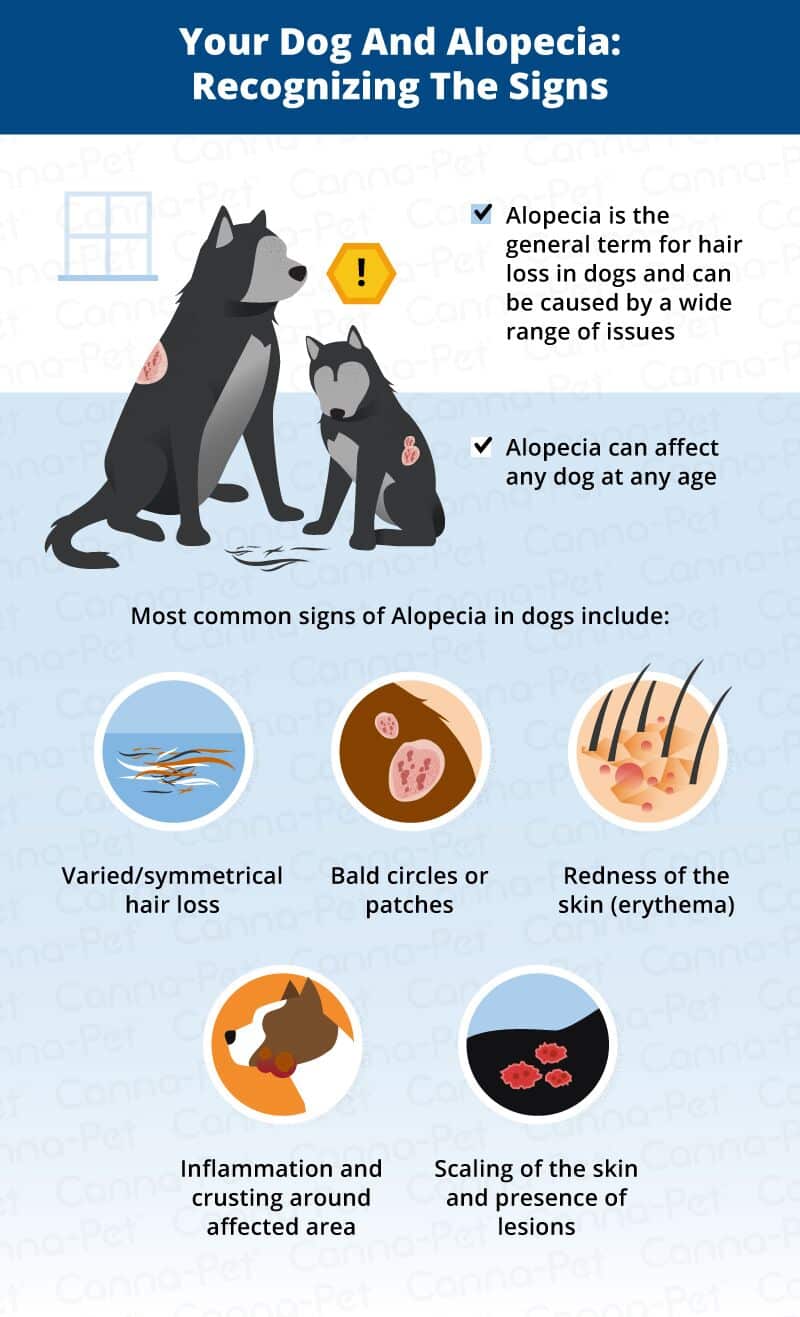
Before reaching for the shampoo, it’s crucial to understand why your dog has a bald spot. The causes of hair loss in dogs are diverse, ranging from allergies and infections to parasites or underlying health issues. Consulting your veterinarian is the first step—you can’t treat or care for your dog effectively without identifying the root cause. Once you have a professional diagnosis, you can tailor your bathing routine to suit your dog’s specific needs, such as avoiding certain ingredients or focusing on soothing treatments.
Preparation is key to making bath time smoother and safer. Start by gathering all necessary supplies—gentle dog shampoo, soft towels, a non-slip mat, and any medicated or special products prescribed by your vet. Before bathing, brush your dog thoroughly to remove loose hair and dirt, which helps prevent matting and facilitates better cleaning. If your dog is anxious or sensitive, consider calming techniques like gentle petting or speaking softly. Ensuring your dog is calm reduces stress and minimizes movement during bathing, protecting the bald area from unnecessary trauma. Also, test the water temperature — lukewarm water is ideal, as hot water can cause inflammation or dryness, especially on sensitive patches.
It’s also helpful to familiarize your dog with the bathing environment beforehand. Use positive reinforcement—treats and praise—to create a positive association with the bath process. For dogs with a bald spot, handling the area gently and calmly prevents accidental injury or irritation. If the bald patch is inflamed or visibly irritated, discuss with your veterinarian whether bathing should be delayed or if special topical treatments should be applied beforehand. Proper preparation not only makes the bathing experience safer but also helps protect and promote healing of the sensitive skin area.
Choosing the Right Dog Shampoo for Sensitive or Bald Areas
Selecting the appropriate shampoo is one of the most critical steps when bathing a dog with a bald spot. Not all shampoos are created equal, especially for sensitive or compromised skin. Look for products specifically formulated for delicate skin or those designed to soothe irritation and promote healing. Ingredients like oatmeal, aloe vera, or ceramides can provide gentle hydration and reduce inflammation. Avoid shampoos with harsh chemicals, artificial fragrances, or dyes, as these can aggravate sensitive skin or cause allergic reactions, making bald spots worse.
For dogs with known skin conditions such as dermatitis or fungal infections, medicated shampoos prescribed by your veterinarian are often necessary. These shampoos contain ingredients that target specific issues, like chlorhexidine for bacteria or miconazole for fungi. Always follow your vet’s instructions regarding frequency and application to avoid striping natural oils or causing irritation. If your dog’s bald spot is due to allergies or autoimmune issues, a hypoallergenic or oatmeal-based shampoo can help reduce itchiness and inflammation without further damaging the skin. Remember, using a gentle, pH-balanced shampoo formulated for dogs is vital—human shampoos are not suitable because they can disrupt the skin’s natural barrier.
When shopping for dog shampoo, read labels carefully and choose trusted brands with positive reviews. Sometimes, a simple, gentle formula is the best choice—less is more when it comes to sensitive skin. Always do a patch test on a small area before full-body use to ensure your dog doesn’t react negatively. Proper shampoo selection helps maintain skin hydration, prevents dryness, and supports the healing process while keeping the bald and surrounding areas clean and healthy.
Gentle Washing Techniques to Protect Bald Spots During Bathing
Bathing a dog with a bald spot requires extra gentle handling to prevent further irritation or injury. Begin by wetting the coat carefully, avoiding direct water spray on the sensitive area, and use a cup or a gentle spray attachment at a low pressure. When applying shampoo, use your fingertips to gently massage the product into the coat—never scrub aggressively—focusing on cleaning the surrounding areas without irritating the bald patch. Remember, the goal is to cleanse without causing friction or trauma to delicate skin.
During rinsing, be cautious around the bald spot—use a soft, controlled stream of water to remove any leftover shampoo. Residue can cause itching or inflammation, so thorough rinsing is essential. For dogs with extensive bald regions, consider using a damp cloth to wipe down the affected area gently instead of direct water jets, especially if the area is inflamed or irritated. After rinsing, pat the skin and coat dry with a soft towel—avoid vigorous rubbing, which can irritate or damage sensitive skin further. If your dog tolerates it, air drying is preferable, as it’s gentle and reduces the risk of friction. For quick drying, use a low-heat setting on a blow dryer, keeping it at a safe distance, and never aim hot air directly at the bald spot.
Throughout the bath, stay calm and speak soothingly to your dog. Keeping the experience positive encourages cooperation and reduces stress. When drying, ensure the bald area is thoroughly dried, especially in humid environments, to prevent fungal growth or bacterial infections. Applying a gentle, veterinarian-recommended topical moisturizer or healing ointment after drying can also protect the skin barrier. By adopting gentle, mindful washing techniques, you help maintain the health of the sensitive skin and support natural healing processes.
Proper Drying and Post-Bath Care for Bald and Sensitive Skin
Drying and subsequent care are crucial last steps after bathing a dog with a bald spot. Proper drying minimizes moisture retention that can lead to bacterial or fungal infections, which are common concerns for sensitive or compromised skin. Pat the coat gently with a soft towel—never rub vigorously, as friction can cause irritation or break fragile skin. If your dog has a particularly sensitive or inflamed bald patch, consider using a fan or a cool setting on a blow dryer to help speed up the drying process while avoiding heat that could further dry out or irritate the skin.
Post-bath care extends beyond drying to include skin protection and healing support. Applying a veterinarian-approved topical ointment, such as a soothing aloe-based gel or medicated cream, can help reduce inflammation and promote tissue repair. Ensure the area remains dry and clean during the hours following the bath—this reduces the risk of secondary infections. Keep your dog in a clean, draft-free environment and discourage licking or scratching of the area with an Elizabethan collar if necessary, as licking can introduce bacteria or delay healing.
Regular monitoring of the bald spot after bathing is essential. Look out for signs of deterioration, such as increased redness, swelling, pus, or worsening hair loss. If you notice any of these symptoms, consult your vet promptly. Incorporating gentle, natural skin moisturizing products can also help maintain skin barrier integrity and promote regrowth. Remember, patience and consistent care are vital—your dog’s skin needs time to heal, and proper hygiene post-bath supports a healthy environment for regrowth and overall skin wellness.
Tips for Promoting Healthy Hair Growth and Preventing Further Baldness
Supporting healthy hair regrowth on bald spots involves more than just careful bathing—it’s about creating an overall environment conducive to skin and coat health. Nutritional support plays a key role; ensure your dog is on a balanced diet rich in omega-3 and omega-6 fatty acids, which promote skin health and coat regeneration. Supplements like fish oil can be beneficial, but always consult your veterinarian before adding new products to your pet’s diet. Proper nutrition helps reduce inflammation, improves skin elasticity, and encourages new hair growth in bald areas.
In addition to diet, regular grooming and gentle handling can stimulate blood circulation and keep the skin healthy. Use soft brushes and gentle massages around the bald area to promote blood flow and remove dead skin cells. Avoid harsh brushing or pulling on hair, as this can cause trauma and worsen hair loss. Protecting the skin from environmental irritants—such as harsh chemicals, extreme temperatures, and insects—is equally important. For outdoor walks, consider using protective clothing or doggy sunscreen if your pet has sensitive, exposed skin to prevent sunburn or insect bites that can hinder healing.
Finally, ongoing veterinary care is essential for preventing further baldness and supporting hair growth. If your dog’s bald spots are caused by allergies, autoimmune conditions, or hormonal issues, your vet might recommend medications or topical treatments to address the underlying cause. Regular checkups and skin testing can help catch problems early, reducing the risk of progressive hair loss. By combining proper hygiene, nutrition, environmental protection, and veterinary guidance, you can help your dog regain a healthy, full coat and enjoy a happier, more comfortable life.
Conclusion
Caring for a dog with a bald spot requires thoughtful preparation, gentle techniques, and ongoing attention. By understanding the cause of hair loss, selecting suitable shampoos, and using gentle washing methods, you can keep your dog clean without causing further irritation. Proper drying and post-bath care support skin healing, while targeted nutrition and environmental protection encourage healthy hair regrowth. Remember, patience and consistency are key—your dog’s skin health depends on your attentive and compassionate care. If you’re ever unsure or notice signs of infection or worsening baldness, don’t hesitate to seek professional veterinary advice. Together, you can help restore your pet’s skin health and confidence, ensuring they feel comfortable and loved every step of the way.