


How to Safely Wash Your Dog After Staying in a Kennel: Tips and Tricks
Spending time in a kennel is often necessary for many pet owners—whether it’s for travel, grooming, or medical reasons. However, your dog’s stay in a kennel can sometimes leave behind dirt, odors, or even skin irritation, making a thorough and safe bath essential once they’re back home. Properly washing your dog after a kennel stay not only restores their cleanliness but also reassures them, keeps their coat healthy, and helps identify any signs of discomfort or illness early on.
In this guide, we’ll walk you through the entire process—from preparing your dog for the post-kennel wash to maintaining a grooming routine that keeps your furry friend fresh and happy. Whether you’re a first-time dog owner or a seasoned pet parent, these tips will ensure your dog’s bath experience is safe, stress-free, and effective.
Preparing Your Dog for Post-Kennel Bathing and Grooming
Before diving into the actual washing process, it’s crucial to prepare your dog both physically and mentally. Dogs can sometimes feel anxious or stressed after a stay in a kennel, especially if they’re not used to being bathed or handled extensively. Taking steps to calm and prepare them will make the experience safer and more comfortable for both of you.
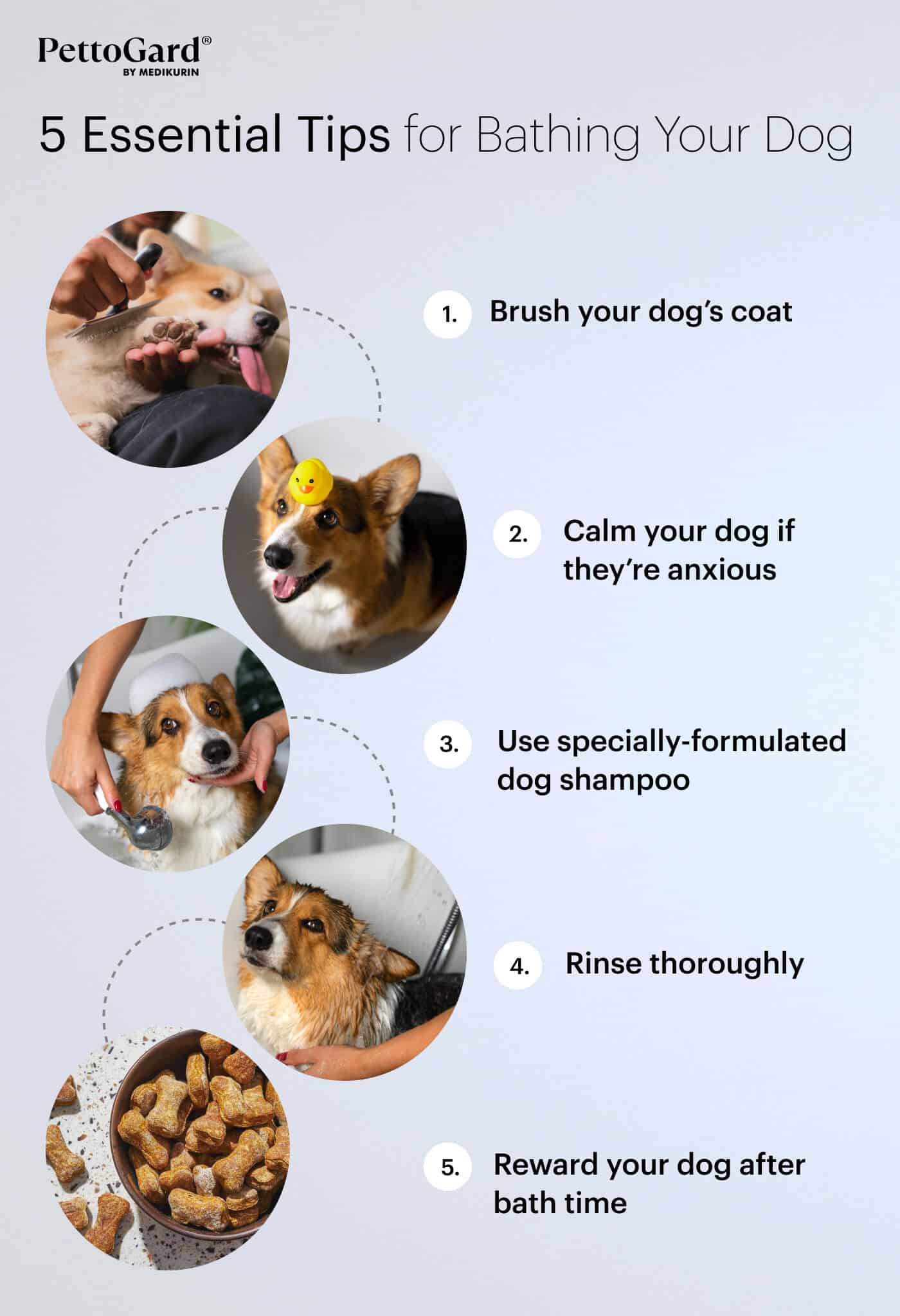
Start by offering your dog some time to settle down after returning home. Allow them to explore their surroundings and re-establish a sense of normalcy. Once they seem relaxed, gently inspect their coat, skin, ears, and paws for any signs of irritation, cuts, or parasites. This initial check helps identify if they need any special attention or veterinary care before bathing. Also, consider giving your dog a quick brush to remove loose fur and dirt, which can make the bathing process smoother and less stressful.
It’s also wise to create a positive association with bath time. Use calm, soothing words and treats to encourage your dog. If your dog is particularly anxious, consider scheduling the bath at a time when they’re relaxed, such as after a walk or play session. Remember, patience is key—rushing the process can increase their stress and make grooming more difficult. By setting a calm, reassuring tone, you help your dog feel safe and ready for a thorough clean.
Gathering the Right Supplies and Setting Up a Safe Washing Area
Preparing your dog for a safe, effective bath begins with gathering the appropriate supplies and setting up a suitable space. Having everything within arm’s reach minimizes stress and avoids leaving your dog unattended during the process. First, choose a bathing area that’s secure and non-slippery—bathtubs, utility sinks, or outdoor hoses work well depending on your dog’s size and your home setup. Use a nonslip mat to prevent your dog from slipping, which can cause injury or anxiety.
Next, collect the essentials: dog-friendly shampoo, conditioner if needed, a gentle brush, towels, and a blow dryer if you choose to dry with heat. Avoid using human shampoos or harsh cleaning products, as these can irritate your dog’s skin or disrupt their natural oils. A gentle, hypoallergenic dog shampoo is usually best, especially if your dog has sensitive skin. Also, consider having a cup or sprayer to rinse thoroughly, and a few treats on hand to reward good behavior throughout the process.
Setting up your washing station in a warm, draft-free area will make the experience more comfortable for your dog. Keep the water at lukewarm temperature—too hot or too cold can cause discomfort or stress. If you’re bathing your dog outdoors, plan for a shaded spot to avoid direct sunlight, which can cause overheating especially after a kennel stay. By preparing a safe, organized space, you ensure a smooth, stress-free bathing experience that keeps your dog safe and comfortable.
Step-by-Step Guide to Washing Your Dog After a Kennel Stay
A systematic approach ensures your dog gets clean without unnecessary stress or risk. Start by gently wetting your dog’s coat with lukewarm water—using a sprayer or cup, avoid pouring water directly on their head initially to prevent discomfort. Apply a small amount of dog shampoo, lathering gently from neck to tail, paying special attention to areas that tend to collect dirt such as paws, underbelly, and ears.
Be cautious around sensitive areas like the eyes, ears, and nose. Use a damp cloth to clean their face instead of applying shampoo directly to the head. When washing, take your time to ensure thorough coverage but avoid overdoing it, as excessive scrubbing can irritate the skin. Rinse your dog thoroughly to remove all soap residue, which can cause itching or skin dryness if left behind. Double-check by running your hands over their coat to ensure no soap remains.
Once clean, gently squeeze out excess water and wrap your dog in a soft towel to absorb most of the moisture. For longer-haired breeds, a second rinse or a professional grooming aid like a de-shedding tool may be helpful. During the bath, speak softly and praise your dog to keep their nerves calm. Patience and consistency during this step help your dog associate bath time with positive experiences, making future grooming sessions easier.
Tips for Drying and Brushing Your Dog to Ensure Comfort and Cleanliness
Proper drying after a bath is essential to prevent skin irritations and to keep your dog comfortable. Start by gently patting your dog with a towel—avoid rubbing vigorously as this can cause tangling or skin irritation, especially in long-haired breeds. If your dog tolerates it, a blow dryer set to a low, cool setting can speed up the drying process, but always keep the nozzle moving and maintain a safe distance to prevent burns or overheating. Many dogs find the noise of a dryer unsettling, so introduce it gradually and reward patience.
Brushing plays a vital role in maintaining a clean, healthy coat and reducing matting or shedding. Use a brush suitable for your dog’s coat type—slicker brushes work well for short-haired breeds, while longer-haired breeds benefit from a wide-tooth comb or detangling brush. Make sure to brush gently, especially in sensitive areas like the belly or behind the ears, and pay attention to any mats or tangles that might have formed during their stay in the kennel. Regular brushing after baths also helps distribute natural skin oils, keeping the coat shiny and healthy.
Additionally, dried and brushed coats allow you to inspect your dog more thoroughly for any issues, such as skin infections, parasites, or unusual lumps. Establishing a routine of drying and brushing not only keeps your dog clean but also enhances their overall comfort and well-being. It’s a bonding activity that reinforces trust and helps your dog feel relaxed and cared for after their grooming session.
Maintaining a Regular Grooming Routine to Keep Your Dog Fresh and Healthy
A consistent grooming routine is the cornerstone of a healthy, happy dog. Regular baths—typically once every 4-8 weeks depending on the breed, activity level, and skin sensitivity—prevent dirt buildup, control odors, and minimize the risk of skin infections. Consistency also helps your dog get accustomed to grooming activities, reducing anxiety over time. Besides baths, routine brushing, ear cleaning, and nail trimming are equally important to maintain overall hygiene and prevent health issues.
Incorporate grooming into your daily or weekly schedule by establishing a set time for brushing, checking ears, and inspecting paws. This proactive approach allows you to spot early signs of problems such as skin irritations, parasites, or unusual growths. Use positive reinforcement—treats, praise, and gentle handling—to make grooming sessions a pleasant experience. If your dog is sensitive or resistant to grooming, consider consulting a professional groomer or veterinarian for personalized advice or desensitization techniques.
Beyond hygiene, regular grooming promotes healthy skin and a shiny coat, which are indicators of your dog’s overall health. It also reduces shedding and hairballs, especially in long-haired breeds. Remember, grooming is not just about looks; it’s an integral part of your dog’s health and well-being. Investing time in maintaining a routine ensures your furry friend stays comfortable, clean, and happy long after their kennel stay.
Conclusion
Washing your dog after a stay in a kennel is a vital step in maintaining their health, hygiene, and happiness. By preparing your dog properly, setting up a safe washing area, following a systematic bathing process, and maintaining a consistent grooming routine, you can transform an often-stressful task into a positive experience for both of you. Remember, patience, gentle handling, and positive reinforcement are key to making grooming a bonding activity rather than a chore.
Cleaning your dog thoroughly after kennel stays not only improves their appearance but also helps prevent health issues and keeps their coat in optimal condition. As you develop a regular grooming routine, your dog will become more comfortable and trusting of these necessary care activities. Ultimately, a well-groomed dog is a happy, healthy dog—so take the time to do it right and enjoy the many benefits that come with good grooming practices.