


How to Wash Your Dog Indoors Without a Garden: Easy Tips and Tricks
If you’re a pet owner living in an apartment or home without easy outdoor access, giving your dog a bath can seem like a daunting chore. Many dog owners worry about the mess, water damage, or the stress it might cause their furry friends. But fear not! With the right preparation, techniques, and tools, you can successfully wash your dog indoors—keeping your home clean and your pup happy. This guide will walk you through everything you need to know, from preparing your washing area to post-bath grooming, ensuring a smooth, stress-free experience for both you and your dog.
Preparing the Washing Area and Gathering Necessary Supplies
Creating a dedicated, well-equipped space for indoor dog baths is the first step to making the process easier and cleaner. Choose a spot in your home that is easy to clean and has a drain or waterproof flooring, such as a bathroom, laundry room, or hallway with tiles. Using a non-slip mat or a towel underneath your dog will prevent slipping and give them a sense of security. Clear the area of any fragile or valuable items that could be accidentally knocked over during the bath.
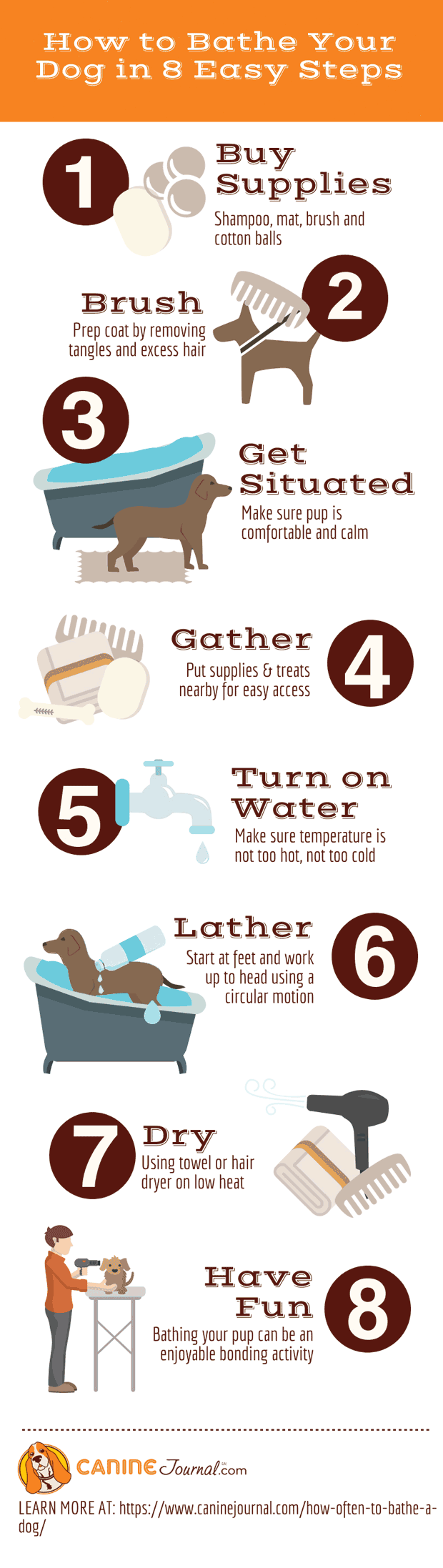
Gather all the supplies you’ll need beforehand to avoid running around mid-bath. Essential items include dog shampoo suited for your dog’s coat type and skin sensitivity, a detachable shower head or a pitcher for rinsing, towels for drying, and a brush or comb for pre- and post-bath grooming. Consider using a waterproof apron or old clothes to protect yourself from splashes. Keep a bath mat or towel under your dog to catch excess water and make cleaning up easier. For added convenience, set up a small table or elevated surface if your dog is comfortable standing on it, reducing strain on your back.
Investing in pet-specific grooming tools, such as a gentle no-slip brush, tear-free shampoo, and grooming wipes, can make the experience more comfortable for your dog. Also, consider having treats or toys on hand to reward your pup for cooperative behavior. This not only encourages good manners but also helps reduce anxiety associated with indoor baths. Planning your setup ahead of time minimizes chaos and ensures everything you need is within arm’s reach, making the entire process smoother and more efficient.
Safely Securing the Dog and Ensuring Comfort During the Bath
The key to a successful indoor dog wash is ensuring your pet feels safe and secure throughout the process. Use a non-slip mat or towel on the floor to prevent slipping, which can cause stress or injury. Gently but firmly securing your dog with a harness or a leash attached to a fixed point can help keep them steady, especially if they are prone to squirming or trying to escape. Always prioritize your dog’s comfort—avoid restraining too tightly or causing discomfort.
Before starting the bath, spend some time calming your dog with gentle petting or soothing words. Allow them to sniff and explore the setup, which can reduce anxiety. If your dog is nervous, introducing the bath gradually with positive reinforcement can make a big difference. For instance, let them get used to wet paws or the sound of running water before proceeding to full immersion. Ensuring your dog is calm and relaxed helps prevent accidents, like slipping or sudden movements that could lead to injuries.
During the bath, keep the water temperature warm but not hot—around 90°F (32°C)—to ensure comfort. Use a detachable shower head or gentle pitcher to rinse your dog thoroughly, avoiding water in their ears, eyes, and nose. Throughout the process, speak softly and reassure your dog with praise. This builds trust and helps them associate bath time with positive experiences, making future baths less stressful for both of you.
Effective Techniques for Washing Your Dog Indoors Without a Garden
Proper technique is essential to ensure a thorough clean without causing stress or discomfort. Start by wetting your dog’s coat evenly, using a gentle stream of water directed from behind the ears down to the tail. Use your hand or a soft brush to help distribute the water, particularly in areas that are harder to reach, like under the legs and around the belly. Work from the head to the tail, washing in the direction of hair growth to prevent matting and skin irritation.
Apply a dog-specific shampoo, lathering gently and paying special attention to areas prone to dirt or odor, such as the paws, underbelly, and around the face. Be cautious around the face—use a damp cloth or a small amount of shampoo to clean the head and ears without risking water entering the eyes or ears. Rinse thoroughly with clean water, ensuring no soap residue remains, as this can cause irritation or itching later on.
For breeds with longer or thicker coats, consider using a conditioner or detangling spray after shampooing. This can make post-bath brushing easier and help maintain a healthy, shiny coat. Once rinsed, gently squeeze out excess water with your hands or a towel, avoiding vigorous rubbing, which can tangle hair or irritate the skin. Pat your dog dry with towels, then move on to drying methods suited to your pet’s coat and comfort level.
Proper Drying Methods and Post-Bath Grooming Tips
Drying your dog properly after the bath is just as important as washing them. Towels are a quick and simple option, especially for small or short-haired breeds. Gently blot and press to absorb excess water, being careful not to rub vigorously—this can cause matting or skin irritation. For dogs with longer fur, using a high-absorbency microfiber towel can speed up the drying process. If your dog tolerates it, a pet-safe blow dryer set on low heat and low speed can be used, keeping the dryer at a safe distance to prevent burns or discomfort.
Allow your dog to air dry in a warm, draft-free space if time permits. Ensure they are in a warm environment, especially in colder months, to prevent chills. For long-haired or double-coated breeds, thorough brushing after towel drying helps prevent mats and tangles. Regular grooming not only maintains the coat but also provides an opportunity to check for skin issues, parasites, or abnormalities. Use a gentle comb or brush suited to your dog’s coat type, and reward your dog with treats or praise for good behavior during grooming.
Post-bath grooming should include trimming nails, cleaning ears, and checking for skin health. Use a dog-specific nail clipper to trim nails carefully, avoiding quick cuts that cause bleeding and discomfort. Clean your dog’s ears with a vet-approved solution if necessary, and always dry the ears thoroughly. Regular grooming after baths helps keep your dog comfortable, healthy, and clean, while also reinforcing positive associations with bathing time. Consistency in post-bath care will make future baths easier and less stressful for your pet.
Maintaining Cleanliness and Preventing Indoor Water Damage
Keeping your home clean and free of water damage after an indoor dog bath requires some strategic planning. Using waterproof mats or towels under your dog during the bath will catch splashes and excess water, making cleanup easier. Immediately after the bath, soak up water from the floor with a mop or a sponge, especially if you’re bathing your dog in the bathroom or a tiled area. Ventilate the space with open windows or a fan to help dry the area quickly and reduce humidity, which can lead to mold or mildew.
To prevent water from spreading to other parts of your home, consider using a portable shower curtain or a dedicated bathing station that can contain splashes. Keep cleaning supplies, towels, and drying tools nearby so you can quickly address any spills or splashes. Regularly disinfect the bathing area with pet-safe cleaners to prevent bacteria buildup and odors. This not only maintains hygiene but also keeps your home smelling fresh after each bath session.
Finally, make it a habit to check your home’s water-sensitive areas, such as wooden floors or carpets, and take steps to protect them. Placing a waterproof barrier or an extra towel under your dog’s designated bath spot creates a protective layer. If you notice water pooling or leaking, address it promptly to prevent damage or slipping hazards. By staying proactive with cleaning and water management, you’ll ensure your indoor bathing setup remains safe, clean, and functional for many baths to come.
Conclusion
Bathing your dog indoors without a garden may seem challenging at first, but with the right preparation, techniques, and tools, it can become a smooth and stress-free routine. By setting up a dedicated washing area, securing your dog comfortably, and using gentle, effective washing methods, you ensure your pet feels safe and clean. Proper drying and grooming afterward are key to maintaining a healthy coat and skin, while mindful cleaning practices protect your home from water damage. Remember, patience and consistency are your best allies—your dog will learn to associate bath time with care and affection. With these tips and tricks, you’ll turn indoor baths into a manageable part of your pet’s grooming routine, keeping everyone happy and your home spotless.