


How to Wash Your Dog Safely Without Causing Towel Burns
Giving your dog a bath is a vital part of maintaining their health, hygiene, and happiness. However, many pet owners worry about the potential risks involved, especially the dreaded towel burn—a painful irritation caused by rough or improperly handled towels rubbing against sensitive dog skin. Ensuring a safe, comfortable bathing experience requires more than just grabbing a towel and some shampoo; it involves proper preparation, technique, and attention to your dog’s unique needs.
In this comprehensive guide, we’ll walk you through the essential steps to wash your dog safely and effectively, avoiding towel burns and skin irritations. From selecting the right supplies and understanding water temperatures to mastering drying techniques, you’ll gain practical insights to make bath time a positive experience for both you and your furry friend. Let’s get started!
Preparing the Right Supplies and Environment for Safe Dog Baths
Before you even turn on the water, creating an ideal bathing environment is crucial. First, gather all necessary supplies to streamline the process and minimize stress for your dog. These include a gentle, dog-specific shampoo, a non-slip mat to prevent slipping, soft towels, and possibly a handheld sprayer or gentle showerhead. Avoid using human shampoos or harsh cleaning agents, as these can irritate a dog’s skin or cause allergic reactions.
Next, set up a calm, warm environment that reduces anxiety. Ensure the room is free of loud noises or sudden movements, and keep the area at a comfortable temperature—ideally around 70-75°F (21-24°C). This prevents your dog from becoming cold or overly stressed during the bath. Using a non-slip mat in the bathtub or sink provides stability, helping your dog feel secure and preventing slips that could lead to injuries or accidental burns from sudden movements near hot water.
Finally, prepare your dog for the bath by brushing out mats and loose fur beforehand. This not only makes washing more effective but also reduces the risk of skin irritation caused by trapped dirt or debris. If your dog is nervous about water, introduce the bathing area gradually, allowing them to explore and associate the space with positive experiences. Establishing a routine and gentle approach will make future baths smoother and safer.
Proper Water Temperature and Handling Techniques to Prevent Towel Burns
One of the most overlooked aspects of safe dog bathing is managing water temperature and handling. Water that is too hot can cause burns, while water that is too cold can make your dog uncomfortable or stressed. The ideal water temperature for washing dogs is lukewarm, roughly between 90°F and 100°F (32°C to 38°C). Using a bath thermometer can help ensure accuracy, or test the water with your wrist or elbow—if it feels comfortably warm, it’s safe.
When handling water, avoid spraying directly onto your dog’s face or sensitive areas, and always pour water gently over their body. Use a handheld showerhead or a cup to control water flow, which allows for more precise and careful rinsing. Keep the water pressure moderate—too high can frighten your dog and increase the risk of accidental burns if the spray becomes too forceful. Additionally, never leave your dog unattended during the bath, as sudden movements can lead to water splashing into their eyes or ears, causing discomfort or injury.
Touch is also vital during bathing. Use your hands to gently massage shampoo into your dog’s coat, being cautious around delicate skin areas like the belly, armpits, and around the ears. This not only cleans effectively but also reassures your dog, making the process more relaxing. Remember, patience and gentle handling are key—rushing or using rough motions can cause stress or injuries that might lead to skin irritation or burns later when drying.
Using the Correct Towel Materials and Drying Methods for Sensitive Dog Skin
Drying your dog with the right towel and technique is just as important as bathing carefully to prevent skin irritations or towel burns. Choose soft, absorbent towels made of microfiber or plush cotton—these materials are gentle against sensitive skin and reduce friction that can cause irritation. Avoid rough or abrasive towels, as they can cause micro-tears or exacerbate existing skin conditions.
When drying your dog, pat gently rather than rubbing vigorously. Excessive friction from rough towels can irritate the skin and lead to discomfort or burns, especially in areas with thin or sensitive skin. If your dog has long or thick fur, gently squeeze out excess water before patting to prevent tugging and pulling on hair, which can cause pain or skin damage. For dogs with very sensitive skin, consider using a microfiber drying towel or even an air dryer set to a low, cool setting.
Lastly, ensure your dog is thoroughly dried—especially in colder months or in homes with poor heating—to prevent chills and skin issues. Pay special attention to skin folds, ears, and paws, where moisture can linger. If your dog has skin conditions like allergies or dermatitis, consult your veterinarian for recommendations on drying techniques and suitable towels to minimize irritation and promote healthy skin recovery.
Step-by-Step Guide to Washing Your Dog Safely and Effectively
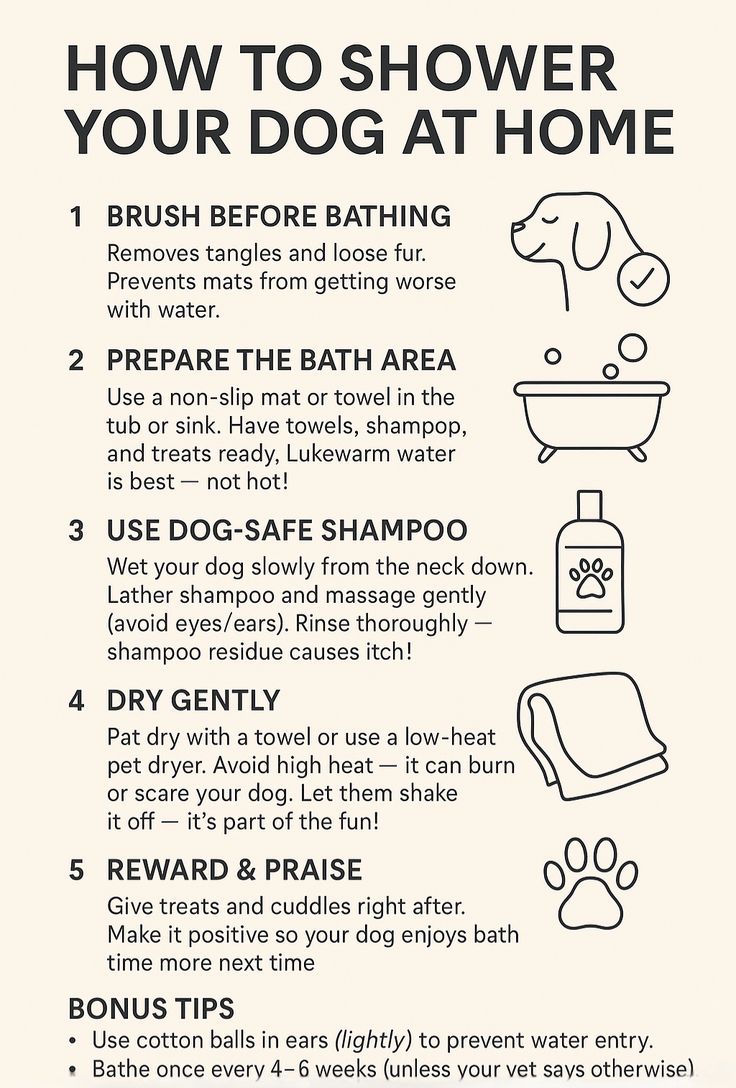
A systematic approach makes bath time safer and more efficient. Start by brushing your dog to remove loose fur and mats, which can trap dirt and bacteria. Place your dog on a non-slip mat in a warm, calm environment. Wet your dog’s coat gradually with lukewarm water, starting from the neck and working downwards, avoiding the face or ears directly—use a cup or gentle spray for these sensitive areas.
Apply a dog-specific shampoo, lathering gently with your hands or a soft sponge. Be thorough but gentle, especially around sensitive skin areas like the groin, armpits, and belly. Use circular motions and avoid excessive scrubbing to prevent irritation or accidental burns. Rinse thoroughly, making sure no shampoo residue remains, as leftover product can cause itching or skin reactions.
Once rinsed, gently squeeze out excess water from your dog’s coat and proceed to towel drying. Pat your dog dry with a soft towel, focusing on the body and limbs. For long-haired breeds, consider using a wide-tooth comb or a specialized drying towel to prevent matting. If your dog tolerates it, you can finish with a cool setting on a blow dryer, but always keep the dryer moving and maintain a safe distance to avoid heat buildup. End with a loving praise and treat to reinforce a positive experience.
Tips for Post-Bath Care and Preventing Skin Irritations or Burns
Post-bath care is essential for maintaining your dog’s skin health and preventing irritation or burns. Check your dog’s skin for any signs of redness, irritation, or hot spots, especially if they have sensitive skin or allergies. Use gentle, hypoallergenic moisturizers or dog-safe skin conditioners if recommended by your veterinarian to soothe and protect the skin.
Ensure your dog is thoroughly dried, particularly in colder weather, to prevent chills which can weaken their immune system. Keep the drying process gentle, avoiding rough towels or high heat from blow dryers. Providing a warm, draft-free space for your dog to rest after the bath helps them recover comfortably and reduces the risk of skin issues caused by dampness or sudden temperature changes.
Finally, establish a regular grooming and bathing routine tailored to your dog’s breed, coat type, and skin sensitivities. Consistent care helps prevent skin infections, irritations, and burns caused by prolonged exposure to moisture or rough handling. Using gentle, skin-friendly products and techniques fosters a positive association with bath time, reducing stress and ensuring your dog stays happy and healthy for years to come.
Conclusion
Bathing your dog safely without causing towel burns or skin irritations involves careful preparation, gentle handling, and understanding your dog’s individual needs. By choosing the right supplies, maintaining proper water temperature, and employing effective drying techniques, you can make bath time a positive, stress-free experience. Remember that patience, kindness, and consistency go a long way in promoting healthy skin and a loving bond with your furry friend.
Taking the time to learn and apply these best practices not only prevents discomfort but also enhances your dog’s overall well-being. So next time you reach for the towel, do so with confidence—knowing you’re providing the safest, most caring bath possible.