


How to Safely Wash Your Dog After Snow Salt Exposure: Tips & Tricks
Winter’s chill brings plenty of joys—sledding, snowball fights, cozy nights by the fire—but it also comes with its fair share of pet care challenges. One common issue faced by dog owners in snowy climates is snow salt exposure. Salt used on icy sidewalks and roads can be harmful to your furry friend’s paws, skin, and overall health if not managed properly. Fortunately, knowing how to safely wash your dog after snow salt exposure can prevent discomfort, irritation, and more serious health issues down the line.
In this article, we’ll walk you through the signs that your dog needs a bath, how to prepare for it, the step-by-step process, and tips for effective rinsing and post-bath care. Whether you’re a seasoned pet parent or new to winter dog grooming, these practical tips will help keep your pup happy, healthy, and salt-free during the cold months.
Assessing the Need for a Bath After Snow Salt Exposure
Before diving into a bath, it’s crucial to determine whether your dog actually needs one. Snow salt can cling to your pet’s fur and paws, and while some dogs tolerate salt without issue, others can develop skin irritation, redness, or even ingest the salt while licking their paws. A good rule of thumb is to inspect your dog closely after outdoor walks in snowy, salted areas. Look for signs such as excessive licking or chewing of paws, redness between toes, or visible salt crystals on fur.
Additionally, if your dog has a history of sensitive skin, allergies, or dermatitis, the risk of adverse reactions from salt exposure increases. These dogs should be washed more promptly after outdoor activity to prevent irritation and discomfort. Even if your dog appears fine, regular rinsing after snowy walks can minimize salt buildup and prevent long-term skin problems. Remember, proactive grooming not only keeps your pup comfortable but also reduces the risk of salt-related health issues.
Finally, consider your dog’s breed and coat type. Dogs with short hair or smooth coats might accumulate less salt compared to those with thick, double coats or long fur, which trap more debris and salt. Always be attentive to your pet’s behavior; if they’re excessively scratching, biting at their paws, or showing signs of discomfort, it’s a clear indicator that a bath may be needed. Regular assessment helps you make informed decisions and maintain your dog’s health during winter.
Preparing Your Dog and Bathing Supplies for a Snow Salt Wash
Proper preparation is key to a safe and stress-free bath for your dog. Begin by gathering all necessary supplies before starting—this minimizes the effort during the bath and ensures you have everything at hand. Essential items include a gentle, pet-specific shampoo (preferably one formulated for sensitive skin), a large basin or bathtub, towels, a detachable shower head or gentle spray nozzle, and possibly a paw cleaning cup or soft brush.
Next, make sure your bathing environment is calm and warm. Dogs can get cold easily, especially after exposure to snow and salt, so choose a warm room or bathroom where you can comfortably bathe your pup without drafts. Keep a towel or non-slip mat in the tub or sink to prevent slipping, and consider using a harness or leash for restraint if your dog is nervous. Having a helper to gently hold your dog can also make the process smoother.
It’s also wise to prepare treats and soothing words to keep your dog calm and cooperative. If your dog is anxious about baths, introducing the process gradually with praise and gentle handling can reduce stress. For dogs with sensitive skin, opt for hypoallergenic or oatmeal-based shampoos that soothe irritation and remove salt deposits without stripping natural oils. Proper preparation ensures the bath is effective, safe, and a positive experience for your furry friend.
Step-by-Step Guide to Safely Wash a Dog Exposed to Snow Salt
-
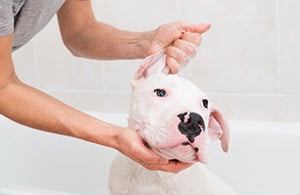
Initial Rinse: Start by rinsing your dog with lukewarm water to remove loose salt crystals and debris. Use a gentle spray or pour water slowly over their fur, focusing on areas where salt tends to accumulate—paws, between toes, and underbelly. Avoid hot water, as it can further dry out skin.
-
Apply Shampoo: Use a dog-specific, mild shampoo designed for sensitive skin. Lather gently, working from the neck down, paying particular attention to paws and areas with visible salt deposits. If your dog has skin sensitivities, consider a veterinary-recommended shampoo that contains soothing ingredients like oatmeal or aloe vera.
-
Clean Paws Thoroughly: Pay special attention to the paws, which are most exposed to salt. Use a soft brush or a paw cleaning cup to remove stubborn salt and debris. Gently scrub between toes and pads, taking care not to cause discomfort.
-
Rinse Completely: After shampooing, rinse your dog thoroughly with lukewarm water to remove all shampoo residue and salt. Leftover soap can cause dryness and irritation, so ensure no suds remain—double rinse if necessary.
-
Condition and Moisturize: If your dog has dry or sensitive skin, applying a canine-safe conditioner can help restore moisture. Some products also help create a barrier against future salt exposure. Follow the instructions carefully and rinse thoroughly.
-
Final Rinse and Check: Conduct a final rinse to ensure all products and salt residues are gone. Inspect your dog’s skin and fur for any signs of irritation or remaining salt, and gently towel dry to remove excess water.
This structured approach minimizes skin irritation and ensures your dog’s coat and paws are thoroughly cleaned and protected from salt damage.
Properly Rinsing and Drying Your Dog to Prevent Skin Irritation
Thorough rinsing after shampooing is essential, especially after snow salt exposure, as leftover residues can cause dryness, irritation, and even allergic reactions. Use lukewarm water to rinse your dog’s fur, making sure to remove all soap and salt particles. Pay close attention to areas around the paws, underbelly, and between toes, where salt tends to hide and cause the most discomfort.
When drying your dog, gently pat with a soft, absorbent towel rather than rubbing vigorously, which can irritate sensitive skin or cause matting. For dogs with thicker coats, using a blow dryer set on a low, cool setting can expedite drying, but always keep the nozzle at a safe distance to avoid burns or discomfort. Additionally, make sure your dog is completely dry, especially in colder weather, because damp fur can lead to chills and further skin issues.
It’s also beneficial to inspect your dog’s skin and paws after drying. Look for redness, swelling, or any signs of irritation that might need veterinary attention. Regularly drying and inspecting your dog’s skin post-bath helps prevent moisture buildup, which can promote bacterial or fungal infections. Proper rinsing and drying are key steps in your snow salt grooming routine to keep your pet comfortable and healthy.
Post-Bath Care and Salts Removal Tips to Protect Your Dog’s Skin
After your dog is dry, applying a pet-safe moisturizer or barrier balm can help protect their skin from future salt exposure and dryness. Products containing natural oils like coconut or jojoba can restore hydration and create a protective layer on the skin and coat. Always choose products formulated specifically for dogs, as human lotions or creams can be harmful if ingested during grooming or licking.
Another effective tip is to give your dog’s paws an additional rinse or wipe-down with a damp cloth or paw wipe designed for winter weather. This extra step ensures residual salt is removed from between the toes and paw pads. Regularly inspecting and cleaning paws after walks in salted areas can prevent irritation, cracking, and even more severe issues like infections or lameness.
Finally, consider implementing a routine of routine paw checks and baths during winter months. Using booties or paw wax can help reduce salt contact in the first place, but if exposure occurs, prompt and thorough cleaning is vital. Remember, consistent care and attention to your dog’s skin health can make winter walks safer and more enjoyable for everyone.
Conclusion
Salt and winter weather can pose significant risks to your dog’s skin and overall health, but with proper knowledge and routine grooming, you can mitigate these issues effectively. The key is to assess your dog’s needs after each outing, prepare the right supplies, and follow a gentle, step-by-step bathing process that ensures thorough cleaning without causing irritation. Proper rinsing, careful drying, and post-bath care are essential in preventing dryness, irritation, and salt buildup.
By adopting these tips and tricks, you not only keep your dog comfortable and happy during the winter months but also promote healthier skin and coat. Remember, regular maintenance and prompt attention after snow salt exposure can prevent discomfort and long-term skin problems, making winter walks safer and more enjoyable for your furry friend. Stay attentive, be gentle, and your dog will thank you with wagging tails and good health all season long.