


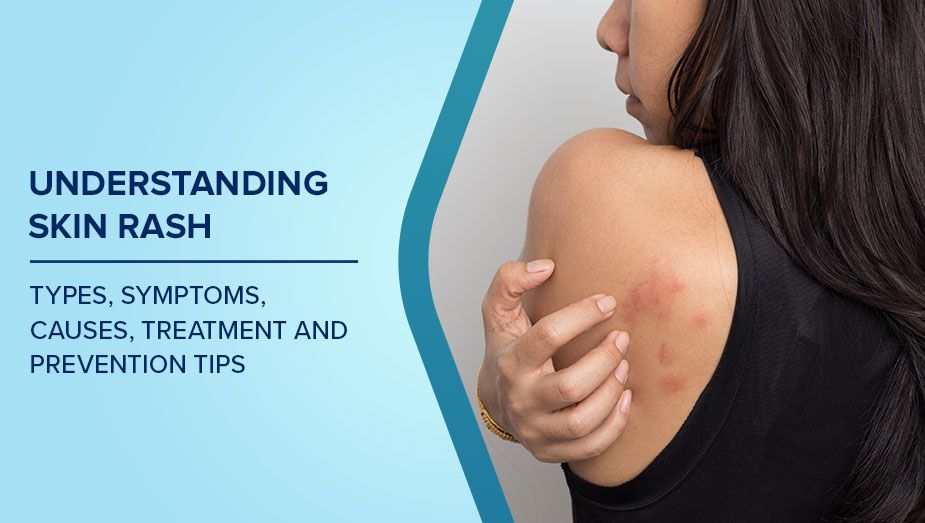
The Ultimate Guide to Preventing Itchy Patches Naturally and Effectively
Are those pesky, itchy patches on your skin driving you crazy? You’re not alone. Many people experience sudden or chronic skin irritation, which can be not only uncomfortable but also a sign of underlying health issues or allergic reactions. Luckily, preventing itchy skin patches doesn’t always mean turning to harsh creams or medications; natural and effective methods can help you take control of your skin health. In this comprehensive guide, we’ll explore what causes itchy skin, how to develop a proper skincare routine, identify common triggers, and suggest natural remedies and lifestyle tweaks to keep your skin calm and itch-free — all without relying solely on medications. Whether you’re prone to eczema, allergic dermatitis, or simply want to boost your skin’s resilience, this article provides practical insights to help you maintain healthy, itch-free skin.
Understanding the Causes of Itchy Skin Patches and Allergic Reactions
Many factors contribute to itchy patches and allergic skin reactions, making it important to understand their origins. The skin is your body’s largest organ and a crucial barrier against environmental threats. When this barrier is compromised or exposed to irritants, it can trigger itching, redness, and inflammation. Common causes include dry skin (xerosis), allergic reactions to substances like cosmetics, detergents, or plants, and skin conditions such as eczema or psoriasis. Identifying the root cause is essential for effective prevention and management.
Allergic reactions often involve the immune system responding to allergens, which can be anything from certain foods and medications to environmental factors like pollen or pet dander. These reactions can manifest as itchy patches, hives, or swelling. Contact dermatitis, for instance, occurs when skin comes into contact with irritants or allergens, resulting in localized itching and irritation. In addition, internal factors such as stress and hormonal changes can exacerbate skin sensitivity, making itchiness more pronounced. Understanding individual triggers is crucial in developing a targeted prevention strategy.
Environmental factors and lifestyle habits significantly influence the likelihood of developing itchy patches. Exposure to harsh soaps, synthetic fabrics, or extreme weather conditions (hot or cold) can strip natural oils from your skin, leading to dryness and itchiness. Chronic skin conditions like eczema or psoriasis are often aggravated by these external factors, creating a cycle of irritation. Recognizing early signs and understanding the underlying causes helps you address issues proactively, reducing the frequency and severity of itchy patches over time.
Effective Skincare Routines to Prevent Itchy Patches and Skin Irritation
Establishing a consistent, gentle skincare routine is key to preventing itchy skin. Use lukewarm water instead of hot, which can strip away natural oils and worsen dryness. Opt for mild, fragrance-free cleansers designed specifically for sensitive skin — ingredients like oatmeal, aloe vera, or chamomile can soothe irritation. After washing, pat your skin dry gently rather than rubbing, and immediately apply a moisturizer to lock in hydration. Look for products containing ceramides, hyaluronic acid, or natural oils like coconut or jojoba, which reinforce the skin’s protective barrier.
Incorporating regular exfoliation (but not overdoing it) can help remove dead skin cells that trap irritants and bacteria, reducing the risk of flare-ups. Use gentle, natural exfoliants such as ground oats or sugar scrubs a couple of times a week. This promotes smoother skin and enhances the absorption of moisturizers. However, avoid harsh scrubs or aggressive scrubbing, which can exacerbate irritation and cause microtears in the skin. An essential part of prevention is maintaining hydration and avoiding products with alcohol, artificial fragrances, or harsh preservatives that can trigger allergic reactions.
Protective measures, such as wearing breathable fabrics like cotton and avoiding irritants, further enhance your skincare routine. When outdoors, apply mineral-based sunscreens to shield your skin from UV damage, which can worsen existing patches. Using humidifiers in dry environments or during winter helps maintain skin moisture levels, preventing dryness-induced itching. Lastly, pay attention to your skin’s signals. If you notice redness or mild itching, address it early with soothing remedies or by adjusting your routine to prevent escalation into severe irritation or dermatitis.
Identifying and Avoiding Common Triggers and Irritants
Pinpointing specific triggers that cause your itchy patches is a vital step toward prevention. Keep a skin diary to track what you do, eat, or come into contact with before flare-ups occur. Common environmental triggers include pollen, pet dander, mold, or dust mites. Certain foods, such as nuts, dairy, or processed snacks, can also provoke allergic responses that manifest as skin itching. Recognizing these patterns allows you to take proactive steps, like avoiding specific foods or environments during high pollen seasons.
Irritants in everyday products are often overlooked but are frequent culprits. Synthetic fragrances, dyes, preservatives like parabens, and harsh cleaning agents can all trigger skin reactions. Transitioning to hypoallergenic, fragrance-free detergents and personal care products greatly reduces the risk. Carefully check labels when purchasing skincare, laundry, or household products, and opt for natural or organic alternatives whenever possible. Avoid exposure to rough fabrics or materials that can cause micro-abrasions or friction, such as wool or synthetic fibers, which may irritate sensitive skin.
Environmental and lifestyle changes play a significant role in prevention. Use air purifiers to reduce airborne allergens inside your home, keep your living space clean and dust-free, and avoid smoking or exposure to pollutants. During extreme weather conditions, protect your skin with appropriate clothing, such as gloves, scarves, and hats, especially if you have known sensitivities. Staying hydrated, maintaining a balanced diet rich in skin-friendly nutrients (like omega-3 fatty acids and antioxidants), and managing stress also help your skin resist irritants and reduce the likelihood of itchy patches developing.
Natural Remedies and Lifestyle Changes to Soothe and Prevent Itching
Many natural remedies are effective in soothing existing itchy patches and preventing new ones from forming. Aloe vera gel, for instance, has anti-inflammatory properties that calm irritated skin and promote healing. Applying pure aloe or products containing it can significantly reduce itchiness. Oatmeal baths are another time-tested remedy; colloidal oatmeal forms a soothing, protective barrier on the skin, relieving itching and inflammation. Adding a cup of colloidal oatmeal to your bathwater can provide instant relief and support skin recovery.
Diet and lifestyle adjustments can profoundly influence skin health. Incorporate foods rich in omega-3 fatty acids like salmon, walnuts, and flaxseeds, which help reduce inflammation and boost skin barrier function. Staying well-hydrated by drinking plenty of water supports skin elasticity and prevents dryness. Managing stress through mindfulness, meditation, or gentle exercise helps balance hormones and immune responses, reducing skin sensitivities. Adequate sleep is also essential, as it allows your body to repair and regenerate skin cells, keeping your skin resilient against irritation.
Additional lifestyle tips include adopting natural skincare routines and avoiding known irritants. Use gentle, fragrance-free moisturizers daily to maintain skin hydration. Incorporate herbal remedies like chamomile or calendula in topical applications or teas, which possess anti-inflammatory and soothing properties. Protect your skin from environmental damage by wearing protective clothing and avoiding exposure to harsh weather conditions. By making these natural remedies and lifestyle changes a regular part of your routine, you can effectively prevent itchy patches from recurring and maintain healthier, more comfortable skin.
When to Seek Medical Advice for Persistent or Severe Itchy Skin
While many itchy patches can be managed with natural remedies and lifestyle modifications, some situations require professional medical attention. If your skin remains persistently itchy despite preventive measures, it may indicate an underlying condition such as eczema, psoriasis, or an allergic dermatitis that needs specific treatment. Severe itching accompanied by swelling, blistering, or open sores also warrants prompt evaluation by a healthcare professional to prevent infection or further complications.
Seek medical advice if your itchy patches are sudden, widespread, or worsening over time. Signs of infection, such as pus, increased redness, warmth, or fever, should never be ignored. Additionally, if you notice that your skin is becoming increasingly fragile, bleeding, or forming crusts, consult a dermatologist for accurate diagnosis and tailored treatment. Certain chronic conditions may require prescription medications, topical steroids, or allergy testing to identify hidden triggers.
In some cases, your healthcare provider might recommend advanced diagnostics or allergen testing to pinpoint specific sensitivities. They can also advise on suitable medications or therapies to manage severe or persistent symptoms. Never attempt to self-treat complex skin issues with over-the-counter remedies alone if your symptoms are severe or unresponsive. Early professional intervention ensures effective management, prevents complications, and helps you regain comfortable, itch-free skin more rapidly.
Conclusion
Preventing itchy patches naturally and effectively is a multi-faceted process that hinges on understanding your skin’s unique needs, avoiding irritants, and adopting a gentle, consistent skincare routine. Recognizing common triggers such as harsh chemicals, allergens, and environmental factors empowers you to make smarter choices that protect your skin’s barrier. Incorporating natural remedies like aloe vera and oatmeal baths, along with lifestyle modifications such as staying hydrated and managing stress, can provide meaningful relief while supporting long-term skin health. However, it’s equally important to know when to seek medical advice, especially if your symptoms persist or worsen. By taking proactive steps and listening to your skin, you can enjoy healthier, itch-free skin and a more comfortable life. Remember, healthy skin is a reflection of overall wellness—so treat it with care and attention every day!