


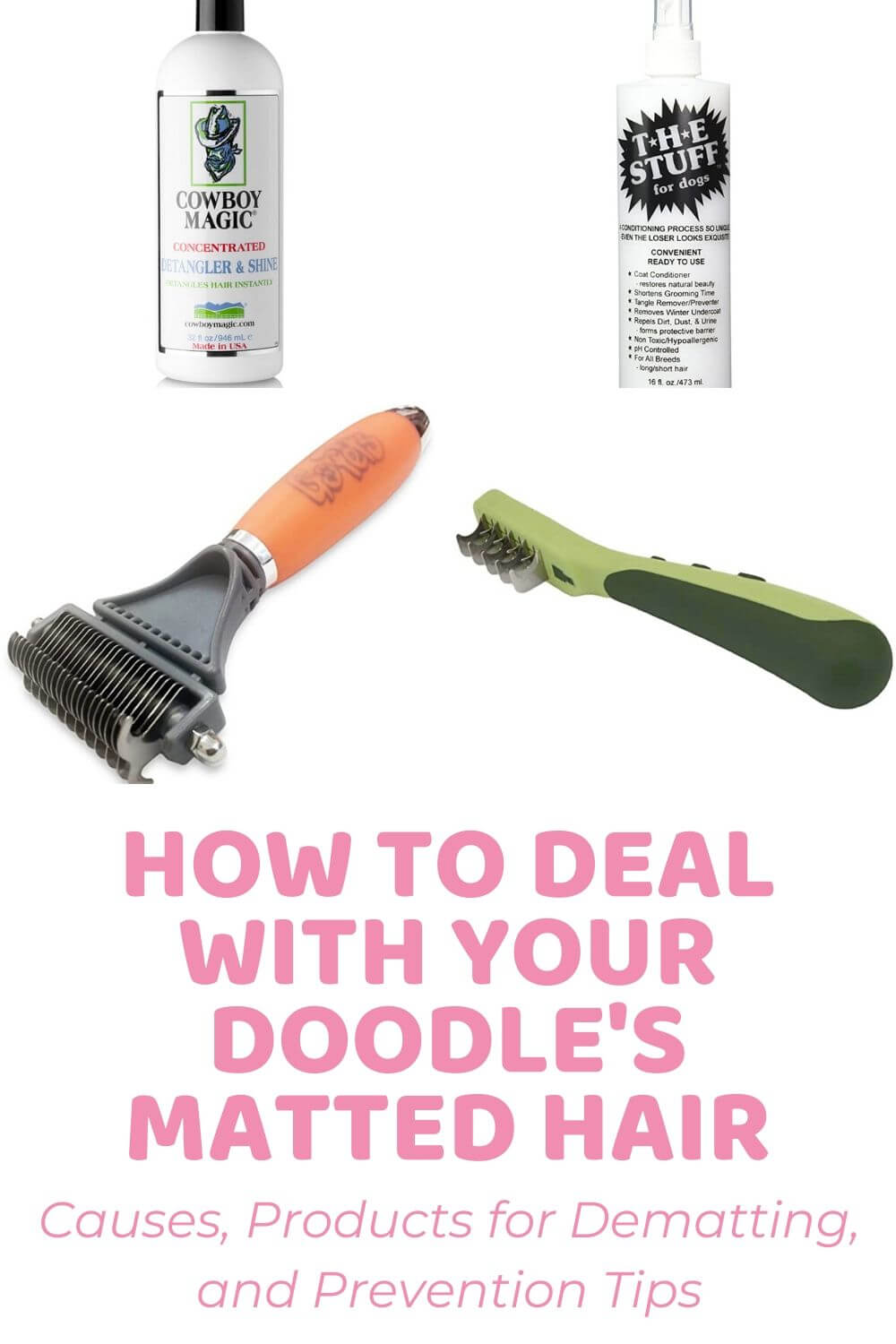
Top Products to Safely Check and Detangle Matted Fur at Home
Keeping your pet’s coat healthy, shiny, and free of mats can sometimes feel like a daunting task—especially when dealing with stubborn tangles or matted fur. Whether you have a long-haired cat, a fluffy dog, or a small animal like a rabbit or guinea pig, knowing how to safely inspect and detangle fur at home is essential for their comfort and overall health. This article will guide you through recognizing signs of matting, the best tools and products to use, step-by-step techniques, and tips for ongoing maintenance—all aimed at making fur care a safe, stress-free experience for both you and your furry friend.
Understanding the Signs of Matted Fur and When to Check
Recognizing early signs of matted fur is crucial because it helps prevent discomfort, skin infections, or even pain for your pet. Matted fur often appears as tangled clumps or thick mats that are tightly adhered to the skin, often in areas like behind the ears, under the belly, around the neck, or between the legs. These mats can be soft and fuzzy or dense and hard, depending on how long they’ve been forming. Regular checks allow you to catch minor tangles before they become painful or difficult to manage.
In addition to visual cues, pets may exhibit signs indicating discomfort due to mats. These include scratching, biting at certain areas, reluctance to be touched, or visible skin irritation and redness. If your pet is showing signs of discomfort or if you notice an unpleasant odor emanating from certain parts, it could be a sign that mats have trapped dirt, debris, or moisture against the skin—potentially leading to infections. Regularly inspecting your pet’s coat, especially in areas prone to matting, can help you identify problem spots early.
Frequency of checks depends on the type of coat and activity level of your pet. Dogs with long, thick coats or pets that spend lots of time outdoors are more prone to matting and need more frequent inspections—ideally daily or every few days. Short-haired animals may only need weekly checks, but regardless of coat length, routine grooming sessions ensure that mats don’t develop unnoticed. Early intervention is always safer and less painful for your pet, so make a habit of gentle fur inspections as part of your grooming routine.
Essential Tools and Supplies for Inspecting and Detangling Fur at Home
Having the right tools on hand makes a significant difference in safely checking and detangling matted fur. The cornerstone of any grooming kit should include a high-quality slicker brush, a wide-tooth comb, and dematting tools specifically designed for mat removal. Slicker brushes with fine, slightly curved pins help to loosen tangles without pulling excessively on the fur, reducing discomfort for your pet. Wide-tooth combs are excellent for gently working through larger tangles and assessing the severity of mats.
Specialized dematting tools, such as dematting rakes or blades, can effectively break apart thick mats, but they should be used with caution and only by those familiar with grooming techniques. Pet-safe scissors with rounded tips are essential for trimming away stubborn mats that cannot be detangled with brushes or rakes. Additionally, grooming gloves can serve as a gentle way to remove loose fur and debris while giving your pet a calming experience. Don’t forget to have a spray bottle with water or a detangling spray, as moistening the fur can make detangling easier and reduce breakage.
Other supplies that enhance the safety and comfort of your grooming routine include pet-friendly detangling sprays or conditioners—these products help loosen mats and add moisture to dry or brittle fur. Nail clippers, a towel or mat pad, and soothing wipes can also be useful during the inspection process to keep your pet comfortable and calm. Investing in quality, pet-safe grooming products ensures that your fur inspection and detangling sessions are both effective and safe for your pet’s skin and coat.
Step-by-Step Guide to Safely Checking and Assessing Matted Fur
Embarking on the process of checking and detangling your pet’s fur requires patience and a gentle touch. Start by choosing a quiet, comfortable space where your pet feels safe. Gently run your hands over their coat, feeling for any rough or tangled areas. If you find a mat, assess its size and severity—small, loose tangles are easier to manage, while dense mats may require more careful handling and possibly trimming.
Begin the detangling process by lightly spraying the affected area with a pet-safe detangling spray or a little water to soften the fur. Using a wide-tooth comb or a slicker brush, work slowly from the tips of the fur towards the skin, gently working through the tangles. Be patient—if you encounter resistance, don’t pull or force the tangle, as this can cause pain or skin injury. Instead, gently coax the fur apart, and if necessary, work on small sections at a time to reduce discomfort.
For more stubborn mats, consider using a dematting rake or specialized tool designed for mat removal—these are built to grip and break apart dense tangles without pulling on the skin. If the mat is too close to the skin or contains embedded debris, it might be best to carefully trim away the affected fur with rounded scissors. Always keep your pet’s skin in mind; if you notice redness, swelling, or open sores, stop immediately and consult a veterinarian or professional groomer. Regularly check in with your pet’s comfort, giving praise and treats to create positive associations with grooming sessions.
Best Products and Treatments for Detangling and Preventing Future Matting
Choosing the right products can make the difference between a stressful grooming session and a quick, safe detangling process. Pet-specific detangling sprays or conditioners are formulated to loosen knots, hydrate dry fur, and reduce static, making it easier to brush through tangles. Look for products containing natural ingredients like aloe vera, coconut oil, or oatmeal, which help soothe the skin and improve coat health. Applying these sprays after wetting the fur or during brushing can significantly lessen pulling and breakage.
For stubborn mats, dematting sprays with enzymatic components can soften mats, making them more manageable. These products are especially helpful for pets with long or thick coats that are prone to matting. In severe cases, a professional groomer may recommend using a dematting rake or blade designed for safe use on pets. Regular trimming around areas prone to matting—such as behind the ears, under the belly, or between the toes—can prevent mats from forming altogether, so investing in grooming scissors or clipper blades suitable for pet use is a wise choice.
Preventative treatments are equally important for maintaining a healthy coat. Regular bathing with a gentle, pet-formulated shampoo helps remove dirt and excess oils that contribute to matting. Follow up with conditioning products to keep the fur soft and manageable. Incorporating dietary supplements like omega-3 fatty acids can improve coat quality from within, making fur less prone to dryness and tangles. Consistent use of these grooming products and treatments, along with routine brushing, can dramatically reduce the likelihood of future mats and keep your pet looking and feeling their best.
Tips for Maintaining a Healthy Coat and Ensuring Regular Fur Inspection
Maintaining a healthy coat is an ongoing process that involves more than just detangling when mats appear. A balanced diet rich in essential fatty acids, vitamins, and minerals supports healthy skin and fur, reducing dryness and brittleness that lead to tangles. Regular grooming sessions not only help manage existing mats but also promote blood circulation and distribute natural oils for a shiny, healthy coat. Establishing a grooming routine suited to your pet’s coat type ensures that fur stays clean, soft, and free of tangles.
Daily or weekly brushing tailored to your pet’s breed and coat length is one of the most effective preventative measures. Use appropriate tools—such as slicker brushes, pin brushes, or grooming gloves—to gently work through the fur and remove loose hair and debris. Pay special attention to areas where mats tend to form, and incorporate routine checks for skin health, irritation, or parasites. This proactive approach minimizes the risk of severe matting and keeps skin issues at bay, promoting overall wellbeing.
Lastly, remember to keep grooming positive and rewarding. Use treats, praise, and gentle handling to create a pleasant experience, so your pet looks forward to grooming sessions rather than resisting them. If you notice persistent mats, skin problems, or if your pet’s coat doesn’t improve despite regular care, consult a veterinarian or professional groomer for personalized advice and treatment options. Consistent, gentle care is the key to a healthy, beautiful coat that’s a joy to pet and look at.
Conclusion
Taking the time to understand, inspect, and properly manage matted fur at home is a vital part of responsible pet care. By recognizing the early signs of matting, equipping yourself with the right tools and products, and following a gentle, systematic approach, you can keep your pet comfortable and their coat healthy. Regular maintenance and preventative treatments not only reduce the likelihood of painful mats but also promote a happier, more relaxed pet. Remember—patience, gentle handling, and the right products are your best allies in maintaining a shiny, tangle-free coat. So, start incorporating these practices into your grooming routine today and enjoy the benefits of a well-cared-for furry friend.