


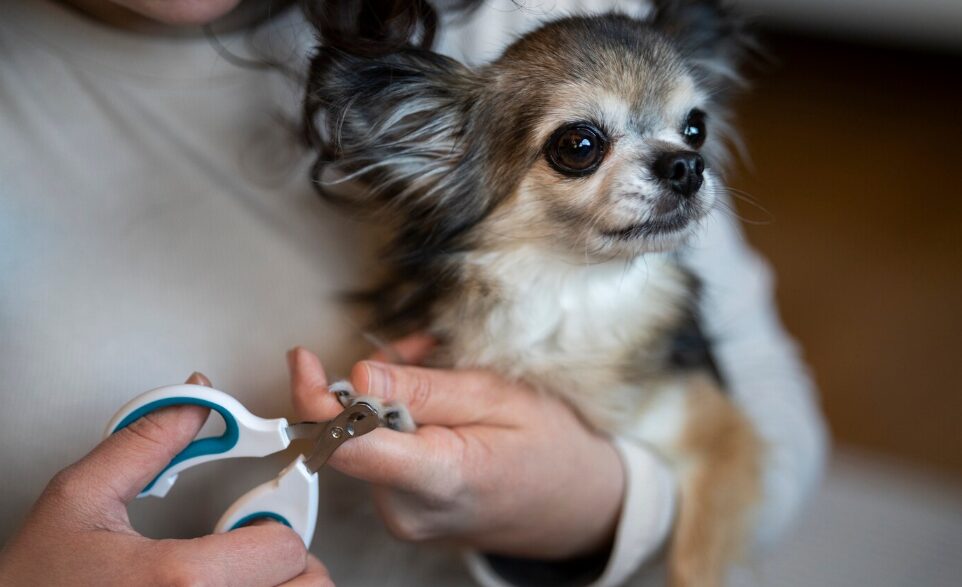
Why Weekly Dog Nail Care Keeps Your Pet Healthy and Happy
As a responsible pet owner, you want your furry friend to live a long, healthy, and happy life. While many focus on daily walks, proper nutrition, and regular vet visits, one crucial aspect of dog health often gets overlooked: nail care. Regularly trimming your dog’s nails—ideally on a weekly basis—not only keeps their paws looking tidy but also plays a vital role in their overall health and well-being. In this article, we’ll explore why weekly dog nail care is essential, how it benefits your pet, the best techniques and tools to use, signs that indicate your dog needs a trim, and tips to make the process stress-free for both of you.
The Importance of Regular Nail Maintenance for Dog Health
Many dog owners underestimate the importance of maintaining their pet’s nails, but neglect can lead to serious health issues. Overgrown nails can curl into the paw pads, causing pain, discomfort, and even infections if left untreated. When nails become excessively long, they can also alter a dog’s gait, leading to joint problems or chronic discomfort that affects their mobility over time. Regular nail trimming prevents these issues and supports your dog’s physical health.
Beyond physical discomfort, long nails can affect your dog’s posture and movement. Dogs with overgrown nails tend to walk differently to avoid pain, which can place undue stress on their joints, hips, and back. This misalignment can contribute to long-term musculoskeletal problems such as arthritis. Additionally, overgrown nails break more easily, which can result in painful splits or tears that may require veterinary attention. Regular nail maintenance ensures your dog’s paws and legs stay in optimal condition, reducing the risk of injury and promoting better mobility.
Another key aspect of regular nail care is hygiene. Dirty or long nails can trap dirt, bacteria, and debris, increasing the risk of infections or skin issues around the paw area. Particularly for active dogs who love outdoor adventures, keeping nails trimmed minimizes the accumulation of mud, grass, and other irritants. This simple grooming routine is an effective way to maintain your dog’s overall health, prevent discomfort, and keep them happy and active for years to come.
Benefits of Weekly Nail Trimming for Comfort and Mobility
Trimming your dog’s nails weekly offers immediate and long-term benefits that significantly enhance their quality of life. One of the most noticeable benefits is improved comfort—shorter nails mean less pain when walking or running. Dogs with well-maintained nails experience less pressure and friction on their paws, which minimizes soreness and the likelihood of developing painful calluses or corns. This added comfort encourages more playful behavior, exercise, and exploration, all of which are vital for mental and physical health.
Mobility is another crucial area greatly improved by regular nail care. Overgrown nails can cause dogs to walk or run abnormally, often leading to a "toe-in" or "toe-out" gait as they try to compensate for discomfort. This altered gait puts extra strain on their joints, potentially accelerating wear and tear or causing joint pain over time. Consistent weekly nail trims help ensure your dog moves naturally and comfortably, reducing the chance of joint issues and making daily activities, like walks or playtime, more enjoyable for your pet.
Furthermore, regular nail trimming can prevent accidental injuries. Long nails are more prone to snagging on carpets, furniture, or outdoor debris, which can lead to painful tears, splits, or infections. They can also cause scratches or puncture wounds to humans and other animals during play. By keeping nails at an optimal length, you reduce these risks and foster a safer environment for everyone in your household. Essentially, weekly maintenance supports your dog’s overall happiness, safety, and physical health.
Techniques and Tools for Safe and Effective Dog Nail Care
Getting your dog comfortable with nail trimming begins with choosing the right tools and mastering safe techniques. The most common and effective tools include dog nail clippers—either guillotine-style or scissors-type—as well as electric grinders for smoother filing. Guillotine clippers are great for small to medium-sized dogs, offering precision, while grinders are preferred for dogs with very thick or dark nails, as they allow for gradual trimming without the risk of cutting into the quick.
Safety is paramount when trimming nails, especially because cutting into the quick (the sensitive area containing nerves and blood vessels) can cause pain and bleeding. To avoid this, always examine your dog’s nails beforehand to identify the quick, which appears as a pinkish area in lighter nails. For dogs with dark nails, trim conservatively and look for a small black dot or change in texture as an indicator of the quick’s proximity. It’s better to trim little by little than to risk injury; you can always take off more if needed but cannot undo a cut that’s gone too far.
Establishing a calm and steady approach can make the process safer and more effective. Start by holding your dog’s paw gently but securely, and get them used to your touch by massaging their paws regularly. Use treats, praise, and a soothing voice to create a positive association. When trimming, cut only the tip of the nail and avoid the quick, especially in dogs with dark nails. If your dog’s nails are very long or thick, consider consulting a professional groomer or veterinarian for assistance. Remember, patience and consistency are the keys to successful dog nail care.
Recognizing Signs That Indicate a Need for Nail Trimming
Knowing when your dog needs a nail trim is essential for maintaining their health and comfort. Typically, nails need trimming when they start to click on hard surfaces like tile or wood floors, or when they visually extend beyond the paw pad. Regularly checking your dog’s nails—at least once a week—will help you identify these signs early. Overly long nails can cause your dog to walk awkwardly, favoring certain paws, or even develop visible splits or tears.
Another clear indicator is discomfort or pain during movement. If your dog shows signs of reluctance to walk, limps, or seems to avoid putting weight on certain paws, their nails might be excessively long or ingrown. Additionally, you may notice paws with a curled appearance or nails that have grown inward toward the paw pads, which can cause inflammation, infections, or abscesses. In such cases, prompt trimming or veterinary intervention is necessary to prevent further complications.
Behavioral cues can also signal the need for nail care. Dogs that are sensitive or anxious about paw handling might resist grooming, but persistent resistance could be due to discomfort caused by long nails. Regularly inspecting and trimming nails helps prevent painful conditions that cause dogs to become fearful of grooming. By staying vigilant and proactive, you can avoid painful nail-related issues and keep your pet feeling comfortable and healthy.
Tips for Making Nail Grooming a Positive Experience for Your Dog
Many dogs find the idea of nail trimming stressful or frightening, but with patience and the right approach, you can turn grooming time into a positive experience. First, create a calm environment—preferably in a quiet space with minimal distractions—and choose a time when your dog is relaxed, such as after a walk or play session. Using treats, praise, and gentle petting can help your dog associate nail care with positive feelings.
Start slowly by introducing your dog to the tools and handling their paws gently without trimming at first. Let your dog sniff and explore the clippers or grinder, and reward them generously for remaining calm. Gradually work up to touching their nails, then trimming just one or two nails at a time, always rewarding patience and calm behavior. Keep sessions short and positive, avoiding rushing, which can increase anxiety for your dog.
Consistency is key. Regularly handling your dog’s paws and performing small trims will help desensitize them over time. Also, use high-quality, pet-specific tools designed for safety and comfort, which can make the process easier and less intimidating. If your dog remains particularly anxious, consider seeking guidance from a professional groomer or veterinarian. Remember, the goal is to make nail care a bonding experience that reinforces trust and keeps your dog healthy and happy.
Conclusion
Regular weekly dog nail care is much more than a cosmetic routine—it’s a vital aspect of your pet’s overall health, comfort, and happiness. Proper nail maintenance prevents pain, supports mobility, and reduces the risk of infections and injuries, ensuring your furry friend can enjoy an active and comfortable life. By understanding the techniques and tools involved, recognizing the signs that your dog needs a trim, and adopting a positive grooming approach, you can make nail care a stress-free part of your pet’s routine. Investing a bit of time and patience now pays off in a healthier, happier dog who can enjoy all the adventures life has to offer. So, set aside a weekly moment for your dog’s nail care—you’ll both be glad you did!