


Common Mistakes to Avoid When Handling Double Coats: Expert Tips
Taking care of a dog with a double coat can be both rewarding and challenging. These beautiful, lush coats are common in breeds like Siberian Huskies, Golden Retrievers, and Labrador Retrievers, but they require specific grooming techniques to keep them healthy and manageable. If you’re new to handling double coats or have struggled with shedding, matting, or skin issues, understanding the common mistakes can help you provide better care and prevent problems down the line.
In this article, we’ll explore what makes double coats unique, effective grooming methods, errors to avoid, how to tackle skin issues, and best practices for shedding control. Whether you’re a seasoned dog owner or just starting out, these expert tips will help you navigate double coat care confidently and safely.
Understanding Double Coats: Characteristics and Challenges
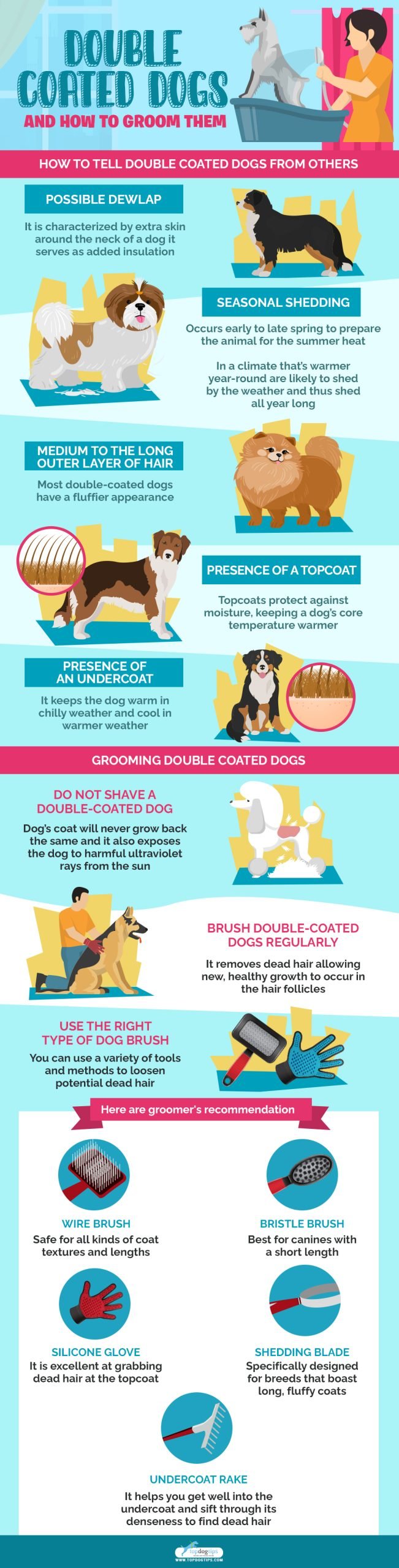
Double coats are characterized by two distinct layers: a dense, insulating undercoat and a longer, protective outer coat. This combination provides excellent insulation against both cold and heat, but it also presents specific challenges for owners. The undercoat tends to shed heavily seasonally, which can be overwhelming without proper grooming routines. Moreover, double coats are prone to matting if not maintained correctly, especially around sensitive areas like behind ears, underarms, and the chest.
One common misconception is that all double coats shed continuously; in reality, many breeds shed heavily only during certain times of the year in what’s known as blowing coat. During this period, the undercoat is shed rapidly to prepare for seasonal temperature changes. Understanding this cycle is crucial because it influences how often you need to groom and what tools are appropriate. For example, over-brushing can irritate the skin, while under-brushing allows mats and loose fur to accumulate.
Handling double coats also requires awareness of the breed-specific characteristics. Some breeds, like the Siberian Husky, have a particularly thick, plush coat that needs regular attention, while others may have a softer undercoat. Recognizing the structure and density helps prevent issues such as skin infections, excessive shedding, or discomfort. By understanding these traits, you can tailor your grooming approach and avoid common pitfalls that lead to damage or health concerns.
Proper Preparation and Grooming Techniques for Double Coats
Effective grooming begins with proper preparation. Before starting any brushing or trimming, make sure your dog is calm and comfortable. Use gentle, pet-friendly shampoos and conditioners formulated for double coats to help maintain healthy fur and skin. Always brush in a well-ventilated area, and consider using treats or praise to create a positive grooming experience, reducing stress for your dog.
When it comes to grooming techniques, the key is to be gentle and methodical. Use slicker brushes or undercoat rakes designed specifically for double coats to reach through the dense layers without causing discomfort. Start with the outer coat and work inward, gradually loosening loose fur and removing debris. For the undercoat, a wide-tooth comb or undercoat rake is ideal. Be cautious around sensitive areas such as the face, ears, and paws—using softer brushes can prevent irritation.
Consistency is vital in maintaining a double coat. Regular brushing—at least 2-3 times a week—helps distribute natural oils, remove dead hair, and prevent mats from forming. During heavy shedding seasons, daily grooming may be necessary. Additionally, professional grooming every few months can help manage thick coats and ensure your dog’s skin remains healthy. Remember, patience and gentleness are key—rushing or applying excessive force can harm the skin and discourage your dog from enjoying grooming sessions.
Common Mistakes in Brushing and Maintenance of Double Coats
One of the most frequent errors owners make is using the wrong tools or techniques. For instance, employing a stiff bristle brush on a thick double coat may cause discomfort and fail to remove loose undercoat effectively. Conversely, relying solely on a rake without considering the outer layer can miss debris and tangles. The proper approach involves using a combination of tools tailored for each coat layer, such as a slicker brush for the topcoat and an undercoat rake for the dense underlayer.
Another common mistake is over-brushing or under-brushing, both of which can lead to problems. Over-brushing, especially with aggressive tools, irritates the skin and can cause hair breakage, leading to a patchy or uneven appearance. Under-brushing, on the other hand, allows mats, tangles, and loose fur to accumulate, increasing the risk of skin infections or hot spots. Striking a balance through regular, gentle grooming sessions is essential to keep your dog comfortable and healthy.
Many owners also neglect the importance of proper bathing routines. Over-bathing can strip away natural oils, causing dry skin and dull fur, while infrequent bathing allows dirt and debris to settle, risking infections. Use quality shampoos designed for double coats and always rinse thoroughly. After bathing, ensure the coat is dried completely, preferably with a blow dryer on a low, cool setting. Proper drying prevents fungal growth and matting. Avoid using harsh chemical treatments or human hair products, as these can be harmful to your dog’s skin and coat.
Overcoming Skin and Coat Issues Related to Improper Handling
Incorrect handling and grooming practices can contribute to various skin and coat problems. For example, excessive brushing or improper tools can cause skin irritation or micro-tears, which may lead to infections. Mats and tangles, if not addressed promptly, can cause pain and restrict airflow to the skin, fostering bacterial growth and hot spots. Recognizing early signs of skin issues—such as redness, swelling, or hair loss—allows you to seek veterinary advice quickly.
Another issue linked to improper coat handling is allergic reactions or sensitivities. Some dogs may develop skin allergies triggered by grooming products, environmental factors, or grooming tools. Using hypoallergenic shampoos and avoiding harsh chemicals is critical. Additionally, a bad grooming experience can lead to anxiety and fear, making future grooming sessions more difficult and increasing the risk of skin injuries. Building a positive grooming routine with patience and gentle handling helps prevent these issues.
Maintaining a clean, healthy coat also involves regular checks for parasites like fleas and ticks, which can cause itching, hair loss, and skin infections. Use veterinarian-recommended preventative treatments and inspect your dog’s skin regularly. If you notice persistent irritation, hair loss, or unusual odors, consult your vet for proper diagnosis and treatment. Proper handling and attentive grooming not only improve the appearance of your dog but significantly contribute to their overall health and well-being.
Tips for Safe and Effective Shedding Control and Coat Management
Shedding is a natural part of double coats, especially during seasonal changes, but it can be managed effectively with the right approach. Regular grooming is the foundation of shedding control. Brushing helps remove loose fur before it ends up all over your home, while also preventing mats and skin irritation. During heavy shedding periods, daily brushing with an undercoat rake or deshedding tool can dramatically reduce loose fur and keep your dog comfortable.
Diet also plays a crucial role in coat health. A nutritious, balanced diet rich in omega-3 and omega-6 fatty acids promotes a shiny, healthy coat and reduces excessive shedding. Supplements like fish oil can be beneficial, but always consult your veterinarian before adding new products to your dog’s diet. Hydration is equally important—well-hydrated skin is less prone to dryness and shedding issues. Ensuring your dog has constant access to fresh water supports overall coat health.
Finally, consider professional deshedding treatments or grooming sessions during peak shedding seasons. Many groomers offer specialized services that incorporate high-velocity blowouts or deshedding shampoos to loosen and remove loose undercoat effectively. These treatments, combined with consistent at-home grooming, can reduce the amount of fur around your house and maintain your dog’s coat in optimal condition. Remember, patience and consistency are the keys to managing a double coat successfully.
Conclusion
Caring for a double coat requires understanding, patience, and the right grooming techniques. From recognizing the unique characteristics of double coats to avoiding common mistakes like improper tool use or neglecting regular maintenance, each aspect plays a vital role in your dog’s health and comfort. Proper preparation, gentle handling, and tailored routines can prevent skin issues, reduce excessive shedding, and keep your dog looking and feeling their best.
By staying informed about the specific needs of double-coated breeds and implementing expert-approved practices, you can ensure a safe, enjoyable grooming experience for both you and your furry friend. Remember, consistent care not only enhances your dog’s appearance but also contributes significantly to their overall well-being. So, take the time to learn, adapt, and enjoy the rewarding process of caring for a beautiful double coat.