


How to Groom Dry Skin the Right Way: Tips for Soft, Healthy Skin
Dry skin can be a persistent and frustrating issue, especially during colder months or in harsh environments. It often leads to discomfort, itching, flaking, and a dull appearance that can affect your confidence and overall well-being. But the good news is, with the right grooming routine and lifestyle adjustments, you can restore softness, hydration, and health to your skin. In this comprehensive guide, we’ll explore the essentials of grooming dry skin—from understanding its underlying causes to adopting effective skincare techniques and habits for maintaining radiant, moisturized skin. Whether you’re battling dryness naturally or as a result of environmental factors, these expert tips will help you achieve a smooth, healthy glow.
Understanding the Causes and Symptoms of Dry Skin
Before diving into skincare routines, it’s important to understand what causes dry skin and recognize its symptoms. Dry skin occurs when the skin’s outermost layer, the stratum corneum, loses its natural moisture and lipids. This can happen due to a variety of factors, including environmental influences such as cold weather, low humidity, or wind, which strip away moisture from the skin. Additionally, lifestyle choices like hot showers, harsh soaps, and exposure to air conditioning or heating systems can exacerbate dryness by disrupting the skin’s barrier function.
Medical conditions can also play a role in dry skin. For example, eczema, psoriasis, and hypothyroidism often present with dry, flaky skin as symptoms. Aging naturally reduces the skin’s ability to produce oil and retain moisture, making dryness more common with age. Understanding these causes helps tailor your skincare approach and avoid practices that worsen dryness.
Recognizing symptoms early is key to effective grooming. Common signs include rough texture, flakiness, tightness, dullness, redness, and itching. If your skin feels uncomfortable or looks flaky despite routine care, it’s time to adjust your grooming habits and focus on hydration. Identifying triggers—like exposure to cold weather or using certain products—can help prevent further damage and promote healthier skin over time.
Selecting the Right Hydrating Skincare Products for Dry Skin
Choosing the right products is fundamental to managing dry skin effectively. Look for skincare items formulated specifically for dry or sensitive skin; these typically contain nourishing ingredients that restore moisture and strengthen the skin barrier. Hydrating serums, creams, and moisturizers with ingredients like hyaluronic acid, glycerin, and ceramides are excellent options because they attract water into the skin and help lock it in. Hyaluronic acid, in particular, is a powerhouse humectant capable of holding up to 1,000 times its weight in water, making it ideal for boosting hydration.
When selecting cleansers, opt for gentle, sulfate-free formulas that cleanse without stripping away natural oils. Cleansers with added moisturizers or oils can help maintain the skin’s barrier integrity while removing dirt and excess oils. Avoid harsh scrubs or alcohol-based toners, which can exacerbate dryness by irritating or drying out the skin further.
Incorporate nourishing oils such as jojoba, argan, or rosehip into your routine. These oils can be applied directly to dry areas or added to lotions for an extra layer of moisture. For those with extremely dry skin, ointments containing petrolatum or shea butter can provide intensive hydration and form a protective barrier against environmental aggressors. Remember to choose products suited for your skin type and concerns, and avoid ingredients that may cause irritation or allergic reactions.
Effective Cleansing and Exfoliation Techniques to Prevent Dryness
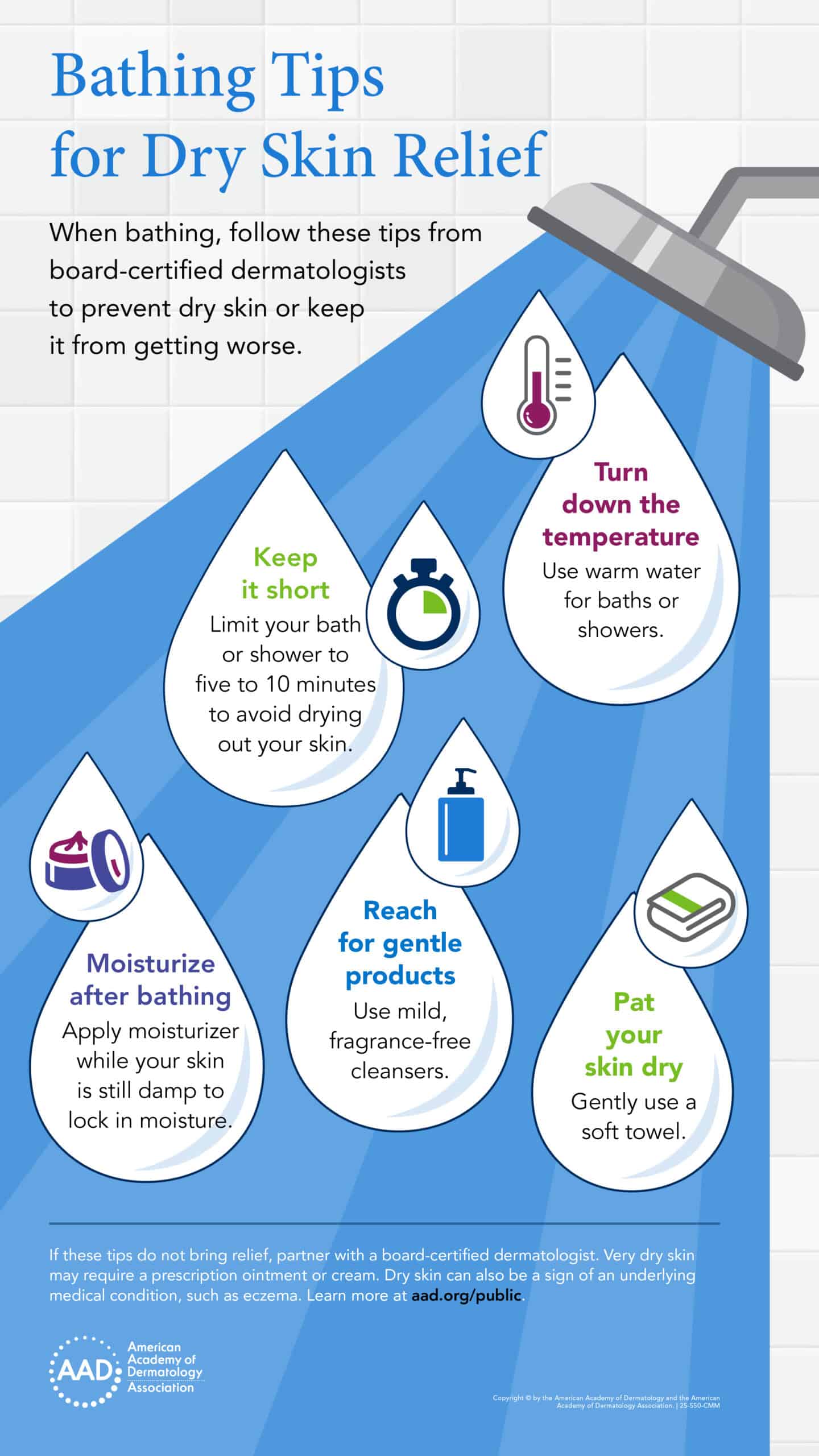
Proper cleansing is crucial for dry skin because it removes impurities without stripping away vital moisture. Use lukewarm water rather than hot, which can dehydrate the skin. Apply your gentle cleanser with your fingertips, massaging softly in circular motions to avoid irritation. Pat your face dry with a soft towel rather than rubbing, as friction can damage sensitive, dry skin.
Exfoliation is beneficial for removing dead skin cells and promoting a brighter complexion, but it must be done carefully to avoid worsening dryness. Opt for gentle chemical exfoliants containing alpha-hydroxy acids (AHAs) like glycolic acid, which dissolve dead cells without abrasive scrubbing. Limit exfoliation to 1-2 times per week, and always follow with a hydrating moisturizer to soothe and replenish moisture.
For body care, choose mild exfoliating scrubs with fine particles or use enzyme-based exfoliants that are less abrasive. After exfoliating, apply a rich moisturizer or oil to help restore the skin’s barrier and lock in hydration. Consistent but gentle cleansing and exfoliation routines will prevent dry, flaky patches while maintaining healthy, smooth skin.
Nourishing Your Skin with Proper Moisturization and Oils
Moisturization is the cornerstone of grooming dry skin. Apply a thick, hydrating moisturizer immediately after cleansing to trap moisture and repair the skin barrier. Look for products containing ceramides, which are lipids that help rebuild the skin’s natural barrier, and humectants like glycerin or hyaluronic acid for added hydration. For extra nourishment, incorporate facial oils or body butters into your routine.
When using oils, apply a few drops to damp skin for optimal absorption. Oils like argan, jojoba, and rosehip are rich in antioxidants and fatty acids that nourish and protect the skin from environmental damage. For very dry areas, consider using ointments like petroleum jelly or shea butter, which create a protective seal and prevent moisture loss. These products are especially effective during harsh weather or at night when the skin repairs itself.
Consistency is key to maintaining soft, healthy skin. Reapply moisturizers throughout the day if needed, especially after washing or exposure to wind and cold. Avoid products with alcohol or fragrances that can irritate or dry out your skin further. Nourishing your skin with the right combination of moisturizers and oils will help restore suppleness, diminish flakiness, and promote a radiant glow.
Lifestyle Tips and Habits to Maintain Healthy, Hydrated Skin
Skincare alone isn’t enough—your lifestyle habits play a vital role in managing dry skin. Drinking plenty of water keeps your skin hydrated from within, so aim for at least 8 glasses daily. Incorporate a diet rich in omega-3 fatty acids, antioxidants, and vitamins A, C, and E, which support skin repair and protection. Foods like fatty fish, nuts, seeds, and colorful fruits and vegetables are excellent choices.
Avoid long, hot showers or baths, as they can strip natural oils and worsen dryness. Instead, opt for shorter, warm baths, and add bath oils or oatmeal for soothing relief. Protect your skin from harsh environmental factors—wear appropriate clothing, use broad-spectrum sunscreen, and consider using humidifiers indoors to increase moisture levels in the air. These simple steps can significantly reduce dryness caused by environmental stressors.
Moreover, develop a consistent skincare routine that includes cleansing, exfoliating, moisturizing, and sun protection. Limit exposure to irritants such as strong detergents, fragrances, and pollutants. Managing stress through exercise, meditation, or hobbies can also benefit your skin, as stress can impact skin barrier function and hydration. By adopting these habits, you create a supportive environment for your skin to stay soft, resilient, and healthy.
Conclusion
Grooming dry skin the right way involves understanding its causes, selecting suitable products, practicing gentle cleansing and exfoliation, nourishing with proper moisturization, and maintaining healthy lifestyle habits. Consistency and patience are essential; while you may not see overnight results, adopting these practices will lead to visibly softer, more radiant skin over time. Remember that every skin type is unique, so listen to how your skin responds and adjust your routine accordingly. With dedication and the right approach, you can transform your dry, flaky skin into a smooth, healthy, and glowing complexion—because everyone deserves to feel confident in their own skin.