


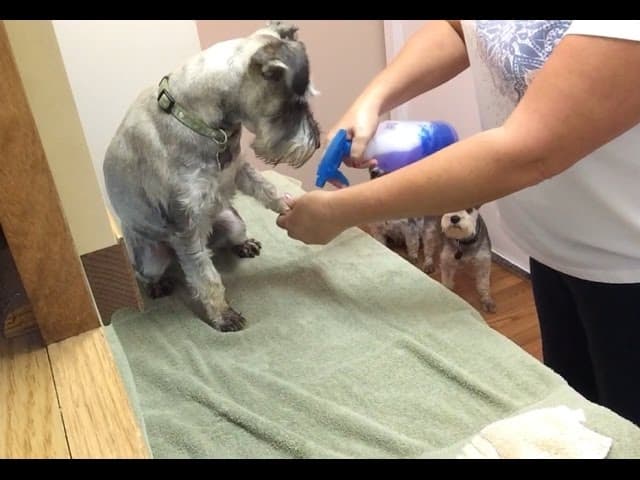
How to Groom Your Dog’s Beard and Keep It Clean the Right Way
If your dog sports a fluffy, stylish beard, you know that keeping it clean and well-groomed isn’t just about aesthetics—it’s about your pet’s health and comfort too. A well-maintained beard can prevent skin irritation, reduce odor, and keep your furry friend looking sharp. But grooming a dog’s beard might seem tricky if you’re new to it, and using the wrong techniques can cause discomfort or even injury. Whether you have a bearded Collie, a Schnauzer, or a mixed breed with a prominent chin tuft, understanding the right grooming practices is essential for ensuring your dog looks and feels great. This article will guide you through the importance of proper grooming, choosing the right tools, a step-by-step cleaning routine, tips for preventing common issues, and establishing a long-term grooming routine.
Understanding the Importance of Proper Dog Beard Grooming and Cleaning Techniques
Grooming your dog’s beard isn’t just about keeping a cute look—it plays a crucial role in your pet’s overall health and well-being. Dirt, food particles, and bacteria can easily get trapped in the hair around your dog’s chin, leading to unpleasant odors, skin irritation, or infections. For breeds with longer or denser beards, neglecting proper hygiene can also cause matting, which can be painful and difficult to manage later on. Regular grooming helps maintain the cleanliness of these sensitive areas and reduces the likelihood of skin problems such as dermatitis or yeast infections, which thrive in warm, moist environments.
Additionally, a well-groomed beard can significantly improve your dog’s comfort. Long hair around the face can sometimes obstruct vision or get caught in objects, creating discomfort or even causing injury. Proper grooming routines also make it easier to spot health issues early—such as cuts, swelling, or signs of parasites—before they turn into more serious problems. For owners, maintaining your dog’s beard is a bonding activity that encourages trust and keeps your pet comfortable during grooming sessions. Ultimately, a clean and well-maintained beard contributes to your dog’s overall hygiene and happiness.
It’s worth noting that different breeds require different grooming frequencies and techniques. Some dogs have wiry or curly beards that need less frequent washing but regular trimming, while others with straight, long beards may need daily attention. Understanding your specific breed’s needs and investing in proper grooming methods ensures your dog’s beard stays healthy, clean, and manageable. Proper technique—using gentle, safe methods—also prevents accidental injuries and promotes a positive grooming experience for your pet.
Choosing the Right Grooming Tools and Products for Your Dog’s Beard
Getting the right tools and products is the foundation of effective beard grooming. First, select high-quality grooming scissors or thinning shears designed specifically for dog hair. These tools allow precise trimming around sensitive areas without pulling or causing discomfort. For regular cleaning, a fine-toothed comb or a slicker brush will help detangle hair and remove debris, dirt, and loose fur. Look for brushes with gentle bristles suitable for your dog’s coat type—soft bristles work well for delicate facial hair, while sturdier brushes are better for thicker, wiry beards.
When it comes to cleaning products, opt for dog-specific shampoos that are gentle on skin and free from harsh chemicals or fragrances that could cause irritation. Many grooming brands also offer beard or facial wipes, which are convenient for quick clean-ups between baths. If your dog’s beard is prone to odor or buildup, consider using a mild, water-based conditioner to keep the hair soft and manageable. For trimming, always use sterilized scissors or clippers to prevent infection, and consider investing in a grooming kit that includes a small comb, scissors, and detangling sprays for convenience.
It’s also wise to keep an assortment of grooming accessories like small towels, a non-slip mat, and treats to make the process smoother. Some breeds benefit from using beard-specific brushes or de-matting tools to prevent hair from becoming tangled or matted. Remember, the goal is to choose tools that are safe, gentle, and suited to your dog’s coat type, which will make grooming sessions more comfortable and effective. When in doubt, consult your veterinarian or professional groomer for recommendations tailored to your dog’s specific needs.
Step-by-Step Guide to Safely Cleaning and Maintaining Your Dog’s Beard
Grooming your dog’s beard doesn’t have to be complicated—following a structured routine ensures thorough cleaning and reduces stress for your pet. Here’s a step-by-step guide to help you do it safely and effectively:
-
Prepare Your Workspace: Find a comfortable, well-lit area with a non-slip surface. Gather all your tools and products beforehand to avoid interruptions. Keep treats handy to reward your dog and create a positive association with grooming.
-
Inspect and Detangle: Gently examine your dog’s beard for mats, tangles, or debris. Use a fine-toothed comb or your fingers to carefully detangle any knots, working from the ends upward to prevent pulling on the hair or causing discomfort.
-
Clean the Beard: If your dog’s beard is dirty or sticky, dampen a soft cloth or beard wipe with a mild dog-safe cleanser or water. Carefully wipe the beard, paying attention to the skin beneath and around the chin. Avoid getting soap or water into your dog’s eyes or ears.
-
Shampoo and Rinse (if necessary): For more thorough cleaning, use a gentle dog shampoo formulated for sensitive skin. Wet the beard thoroughly, apply shampoo, and massage gently. Rinse thoroughly to remove all residue, ensuring no soap is left behind, which could cause irritation.
-
Dry and Comb: Pat the beard dry with a soft towel. Avoid vigorous rubbing, which can cause tangling or skin irritation. Once dry, use a comb or brush to straighten the hair, removing any remaining mats or loose fur. Regular brushing also helps distribute natural oils, keeping the hair shiny and healthy.
-
Trim and Shape: If your dog’s beard needs trimming, carefully use grooming scissors or clippers. Trim slowly and cautiously, following the natural shape of the beard. Be extra gentle around sensitive areas to avoid cuts or nicks. Always prioritize your pet’s comfort and stop if they become distressed.
-
Reward and Finish: Praise your dog and offer treats to reinforce a positive grooming experience. Regularly check the beard between grooming sessions for cleanliness, odor, or signs of skin issues, maintaining a consistent routine to promote long-term hygiene.
Tips for Preventing Common Beard-Related Issues and Ensuring Long-Term Hygiene
Prevention is key when it comes to maintaining a healthy, clean beard. Regular grooming routines and proactive measures help avoid issues like matting, bad odor, or skin infections. One important tip is to establish a consistent grooming schedule—whether daily or weekly—based on your dog’s breed, coat type, and activity level. This routine prevents debris buildup and keeps your dog comfortable and happy.
Another crucial tip is to keep your dog’s environment clean. Regularly wash your dog’s bedding, toys, and food bowls, as these can harbor bacteria that may cause skin irritation or odor in the beard area. Also, monitor for signs of skin problems such as redness, swelling, or excessive itchiness. Early detection allows for prompt treatment, preventing minor issues from escalating into infections.
Proactively managing dietary and environmental factors can also improve your dog’s beard health. Ensure your pet has a balanced diet rich in omega fatty acids, which promote healthy skin and coat. Avoid exposure to irritants or allergens that might cause dermatitis or skin allergies. Using gentle, dog-specific grooming products and avoiding harsh chemicals further helps maintain long-term hygiene. Lastly, consider routine professional grooming if your dog’s beard tends to tangle or mat easily—professional groomers have the experience and tools to keep your dog’s beard in top shape.
Maintaining Regular Beard Grooming Routines for a Healthy and Clean Dog Appearance
Consistency is the secret to a healthy, clean beard that enhances your dog’s overall appearance. Establishing a regular grooming schedule not only prevents dirt buildup and matting but also allows you to monitor your dog’s health closely. Depending on your breed and how quickly their beard grows, this might mean daily brushing or a weekly trim. The key is to stay attentive and adapt your routine as needed to accommodate changes in your dog’s coat or health status.
Creating a grooming routine that includes brushing, cleaning, and trimming will help your dog become accustomed to the process, reducing anxiety and making each session smoother. Incorporate positive reinforcement, such as treats and praise, to turn grooming into a pleasant experience. Over time, your dog will associate grooming with care and affection, making future sessions less stressful. Remember to check the beard regularly for signs of irritation, debris, or parasites, and address issues promptly.
Lastly, don’t forget to schedule periodic visits to a professional groomer for more thorough grooming or trimming, especially for breeds with dense or wiry beards. Regular maintenance by a professional ensures that your grooming routine remains effective and that your dog’s beard stays healthy, clean, and stylish. By staying consistent and attentive, you’re not only keeping your dog looking great but also contributing to their overall health and happiness.
Conclusion
Grooming your dog’s beard is an essential aspect of pet care that combines hygiene, health, and aesthetics. By understanding the importance of proper grooming techniques, choosing the right tools and products, following a step-by-step cleaning routine, and adopting preventative measures, you can ensure your furry friend’s beard remains clean, healthy, and free of issues. Establishing a regular grooming schedule helps maintain long-term hygiene and promotes a positive grooming experience for your dog. Remember, patience and consistency are key—your efforts will not only keep your dog looking fantastic but also strengthen the bond you share. So, grab your grooming tools, follow these expert tips, and enjoy a happy, healthy, and well-groomed canine companion!