

How to Properly Maintain Your Dog’s Fur Between Pads for Healthy, Clean Paws
Your dog’s paws are more than just adorable accessories—they’re essential for mobility, balance, and overall health. One often overlooked aspect of paw health is the fur that grows between the pads. If neglected, this fur can trap dirt, debris, and moisture, leading to discomfort, skin irritations, or even infections. Properly maintaining your dog’s fur between the pads not only keeps their paws looking tidy but also promotes overall paw health, comfort, and hygiene. This article will guide you through understanding why this grooming step matters, how to do it safely and effectively, and tips for ongoing paw care.
Understanding the Importance of Fur Maintenance Between Your Dog’s Pads
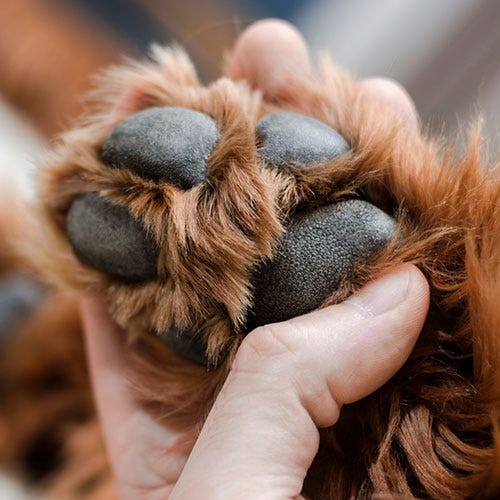
Many dog owners focus on trimming nails and cleaning paw pads, but the fur that grows between the pads often gets less attention. This fur can trap mud, grass seeds, snow, and other debris, which can cause discomfort or lead to painful matting if not regularly groomed. Moreover, damp or dirty fur in this area can foster bacterial or fungal growth, resulting in infections or skin irritations that may require veterinary treatment.
Maintaining the fur between your dog’s pads is also vital for preventing matting and painful tugs during walks or play. When fur becomes tangled or matted, it pulls on the sensitive skin beneath, causing discomfort and sometimes leading to skin infections. Regular grooming helps keep this area clean, reducing the risk of irritation and ensuring your dog’s paws stay healthy and free of hidden debris that could cause problems later.
Furthermore, healthy fur and skin in the paw area support better traction and comfort for your dog. Overgrown or unkempt fur can interfere with walking and even cause slipping on smooth surfaces. Recognizing the importance of this grooming step is the first move towards maintaining overall paw health, especially for active breeds or dogs that spend lots of time outdoors.
Proper Techniques for Trimming and Grooming the Fur Between Pads
Grooming the fur between a dog’s paw pads requires patience and gentle techniques to avoid causing discomfort. Start by gently inspecting the area to identify matted fur or debris. Use your fingers or a gentle brush to loosen any dirt or loose hair, being mindful of the sensitive skin underneath. If mats are present, carefully work on them with a dematting comb or scissors designed specifically for pets—never yank or pull as this can hurt your dog.
When trimming, use blunt-tipped scissors or grooming clippers to carefully cut the fur between the pads. Hold the paw securely but gently, and trim in small, controlled motions to avoid accidentally cutting the skin. It’s often easiest to lift the paw and gently spread the pads apart to access the fur in the crevices. For dogs that are particularly sensitive or anxious, consider using a grooming harness or having a second person assist to keep the dog calm and still.
Regular grooming should be a quick and stress-free routine, ideally performed weekly or biweekly, depending on your dog’s breed and fur growth rate. Always prioritize your dog’s comfort—if your pet shows signs of discomfort or stress, take a break and try again later. Over time, both you and your dog will become more comfortable with the process, making paw maintenance a simple and routine part of their grooming schedule.
Recommended Tools and Products for Safe and Effective Fur Care
Having the right tools makes all the difference in grooming your dog’s fur between the pads safely and effectively. Start with a pair of blunt-ended scissors or grooming shears designed specifically for pets; these minimize the risk of accidental cuts. A dematting comb or slicker brush helps loosen tangled fur and remove loose hair, preventing mats before they form.
A pair of pet-specific nail trimmers with rounded tips can also be useful if you need to trim any overgrown fur close to the skin. For those with sensitive pets, consider using grooming wipes or paw cleaning sprays containing soothing ingredients like aloe or chamomile. These products help keep the area clean and reduce irritation after trimming or grooming sessions.
Additional tools such as a small, soft brush or toothbrush can assist in gently cleaning between the pads. Always choose grooming products that are fragrance-free and formulated for dogs to avoid skin reactions. Regularly inspecting and cleaning your tools ensures they stay sanitary, reducing the risk of transferring bacteria or fungi to your pet’s paws.
Tips for Preventing Matting and Skin Irritations in the Pad Area
Prevention is always easier than treatment when it comes to paw health. To prevent fur from matting, keep the hair between the pads trimmed regularly, especially during seasons when your dog is more active outdoors or exposed to wet conditions. Moisture combined with fur can lead to skin irritations or infections, so dry your dog’s paws thoroughly after walks or baths.
Using paw balms or conditioning sprays designed for dogs can help keep the fur and skin moisturized, reducing the risk of dryness and irritation. These products also form a protective barrier against dirt and environmental elements. Regularly inspecting your dog’s paws for cuts, swelling, or redness allows early detection of issues before they become serious.
Another helpful tip is to keep your dog’s living environment clean and free of debris. Regularly sweeping or vacuuming indoor floors and washing outdoor paws after walks in muddy or grassy areas can significantly reduce the amount of dirt that gets lodged between the pads. Training your dog to tolerate paw checks and grooming early on also makes ongoing maintenance easier and less stressful for both of you.
Maintaining Healthy Fur Growth and Regular Grooming Schedules
Consistent grooming is the cornerstone of healthy, clean paws. Establishing a regular schedule—typically weekly or biweekly—ensures that fur doesn’t become overgrown or matted and that any debris is promptly removed. The rhythm of grooming may vary depending on your dog’s breed, coat type, and activity level; long-haired or active dogs may require more frequent attention.
In addition to trimming, maintaining a balanced diet rich in essential fatty acids, vitamins, and minerals supports healthy fur growth. Proper nutrition not only benefits your dog’s coat but also enhances skin resilience, reducing dryness and irritation. Hydration is equally important; always ensure your dog has access to fresh water, especially after outdoor activities.
Lastly, incorporating paw care into your regular grooming routine helps foster a positive association with paw checks and trims. Use treats, praise, and gentle handling to make these sessions enjoyable. Over time, a consistent approach will keep your dog’s paws healthy, clean, and comfortable, preventing minor issues from developing into more serious problems.
In Conclusion
Properly maintaining the fur between your dog’s pads is a vital part of comprehensive paw health. By understanding the importance of this grooming step, employing gentle techniques and the right tools, and establishing a regular care schedule, you can keep your dog’s paws clean, comfortable, and free of irritations and infections. Preventative measures—like trimming fur regularly, using soothing products, and keeping the environment clean—are key to avoiding mats and skin issues. Remember, consistent grooming not only benefits your dog’s health but also enhances their overall wellbeing and happiness. So, take time to care for those little furry spaces between the pads—your dog will thank you with happy, healthy paws!