


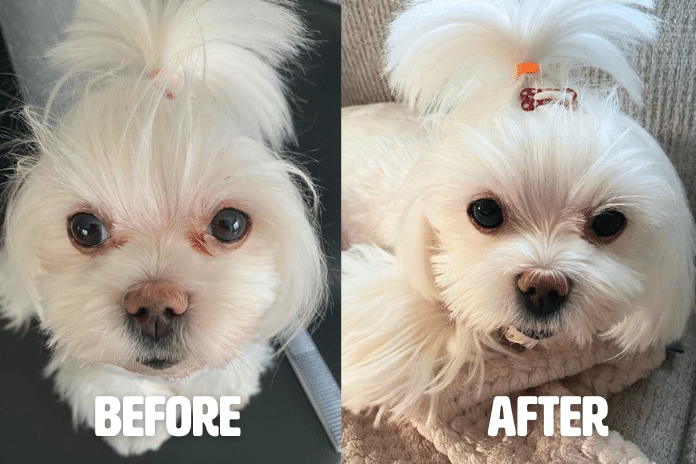
How to Clean Tear Stains Effectively: Tips for a Bright, Clean Look
Tear stains are an all-too-common issue for many pet owners, especially those with breeds prone to excessive tear production or sensitivity around the eyes. While tear stains may seem like a minor cosmetic concern, they can indicate underlying health problems and can lead to skin irritation if not addressed properly. In this article, we’ll explore how to clean tear stains effectively, so your pet can maintain a bright, clean appearance and stay comfortable and healthy. From understanding what causes tear stains to choosing the right cleaning products and implementing preventative care, you’ll find comprehensive tips to help you manage this common issue confidently.
Understanding Tear Stains and Their Causes
Tear stains appear as reddish-brown or dark streaks that run from the inner corner of your pet’s eyes down to their cheeks. While they’re often seen as a cosmetic issue, tear stains can also be a sign of underlying health concerns like allergies, infections, or blocked tear ducts. Understanding what causes tear staining is the first step toward managing it effectively.
Excessive Tear Production and Eye Drainage:
The primary cause of tear stains is overproduction of tears, which can occur due to irritation, inflammation, or congenital issues. If tear drainage systems are blocked or narrow, tears don’t drain properly and instead spill over onto the face. This excess moisture creates an ideal environment for bacteria and yeast growth, which can stain fur and skin. Some breeds, such as Bichon Frises, Bulldogs, and Shih Tzus, are genetically predisposed to these drainage issues, making regular maintenance essential.
Allergies and Environmental Factors:
Allergic reactions to dust, pollen, or certain foods can cause eye irritation and increased tearing. Environmental factors like windy weather or exposure to smoke can also cause your pet’s eyes to water excessively. Identifying and minimizing these triggers can help reduce tear production and staining. Additionally, irritants like shampoo residue or chemicals around the eyes may cause inflammation and increased tearing, so choosing gentle, pet-safe products is crucial.
Underlying Health Conditions:
Persistent tear staining can sometimes indicate health problems like conjunctivitis, entropion (inward turning eyelids), or skin infections. Allergies and other systemic health issues can also cause increased tear production. If tear stains are accompanied by redness, swelling, or discomfort, it’s important to consult a veterinarian. Proper diagnosis ensures that any underlying health concerns are addressed alongside stain removal efforts, promoting overall well-being.
Selecting the Right Cleaning Products for Tear Stain Removal
Choosing the right cleaning products is vital to removing tear stains safely and effectively without causing irritation or damage to your pet’s delicate eye area. Not all products are created equal, and some may contain harsh chemicals that do more harm than good.
Gentle, Pet-Safe Cleaners Are a Must:
Look for tear stain cleaning solutions specially formulated for pets. These products often contain natural ingredients like boric acid or natural enzymes that help break down and remove stained residue. Avoid harsh chemicals such as alcohol, hydrogen peroxide, or artificial fragrances, which can irritate sensitive skin and eyes. Many pet stores offer tear stain wipes or liquids that are gentle yet effective for daily use.
Natural Alternatives for Tear Stain Cleaning:
If you prefer a DIY approach, natural remedies like a mixture of water and a small amount of hydrogen peroxide (used cautiously) or a solution of water and gentle pet-safe baby wipes can work well. Some pet owners find that diluted apple cider vinegar or chamomile tea can help reduce staining and soothe irritated skin. Always test any homemade solution on a small area first to ensure your pet doesn’t have a sensitivity or allergic reaction.
Additional Tips for Choosing the Best Products:
- Check labels for certifications like “pet-safe” or “hypoallergenic.”
- Avoid products with artificial dyes, fragrances, or harsh preservatives.
- Consider products containing natural enzymes that specifically target tear stain buildup.
- Consult your veterinarian for recommendations tailored to your pet’s unique needs.
Selecting the proper cleaning product is the foundation of a safe and effective tear stain removal routine. Using gentle, high-quality products can make a significant difference in maintaining your pet’s appearance and comfort.
Step-by-Step Techniques for Cleaning Tear Stains Safely
Proper cleaning techniques are essential to effectively remove tear stains without causing discomfort or injury. A consistent routine, combined with gentle handling, can significantly improve your pet’s appearance and hygiene.
Step 1: Prepare Your Supplies
Gather everything you need before starting. This includes pet-safe tear stain wipes or cleaning solutions, a soft cotton ball or cloth, and a gentle brush if needed. Ensure your pet is calm and relaxed; this makes the process smoother for both of you.
Step 2: Gently Clean the Area
Start by wiping away excess tears and stain residue from the inner corner of the eye downward. Use a clean, damp cotton ball or a soft cloth dipped in your chosen cleaning solution. Avoid rubbing aggressively, as the skin around the eyes is sensitive, and harsh motions can cause irritation. If you’re using wipes, gently lift the fur and wipe in a gentle motion, taking care not to touch the eye itself.
Step 3: Regular Maintenance and Care
Perform this cleaning routine daily or every other day, depending on the severity of staining. Consistency is key to preventing buildup. After cleaning, you can gently trim any stained fur if it’s long or matted to prevent further staining and make cleaning easier. In some cases, applying a pet-safe tear stain remover or probiotic solution may help reduce bacterial buildup that contributes to staining.
Safety Tips During Cleaning:
- Never use human products on pets, as they may contain ingredients harmful to animals.
- Be cautious around the eyes; if your pet resists or shows signs of discomfort, stop and consult your veterinarian.
- Ensure that your pet remains calm during cleaning to prevent accidental injury or stress.
- If tear stains are persistent or worsening despite cleaning, seek professional veterinary advice for underlying issues.
By following these step-by-step techniques, you can effectively manage tear stains while safeguarding your pet’s eye health and comfort. Regular, gentle cleaning combined with proper tools can restore a bright, clean appearance and boost your pet’s confidence.
Preventative Measures to Minimize Future Tear Stains
Prevention is always better than cure, especially when it comes to tear stains. Implementing proactive strategies can significantly reduce the frequency and severity of staining, helping your pet maintain a bright, clean face over time.
Maintain a Regular Grooming Routine
Keeping your pet’s facial fur trimmed prevents fur from trapping moisture and dirt that can contribute to staining. Shorter hair around the eyes makes cleaning easier and reduces the chance of bacteria and yeast colonization. Regular brushing also prevents matting, which can trap debris and moisture, further worsening tear stains.
Address Underlying Causes Promptly
If your pet experiences allergies or sensitivities, work with your veterinarian to identify and manage them. Administering allergy medications or changing environmental factors — such as using air purifiers or switching to hypoallergenic bedding — can reduce eye irritation and tearing. For breeds prone to blocked tear ducts, routine veterinary examinations or procedures like flushing the ducts can help improve drainage and decrease staining.
Diet and Nutritional Support
A balanced diet rich in antioxidants, omega-3 fatty acids, and proper hydration can support skin and eye health. Some pet owners find that adding supplements like probiotics or specific vitamins helps reduce inflammation and bacterial growth around the eyes, thereby decreasing tear stain formation. Always consult your vet before introducing new supplements or changing your pet’s diet to ensure it’s suitable for their specific needs.
Environmental and Lifestyle Adjustments
Minimize exposure to irritants like dust, pollen, or smoke, which can trigger excessive tearing. Regular cleaning of your pet’s bedding, living area, and watering bowls helps eliminate potential allergens and bacteria. Ensuring that your pet’s living environment is clean and free from dust or chemicals can make a noticeable difference in tear production and staining.
Implementing these preventative measures can help your pet maintain a brighter, cleaner appearance with less ongoing effort. Consistent grooming, addressing health issues early, and environmental control are your best tools for minimizing tear stains long-term.
Tips for Maintaining Cleanliness and Healthy Eyes in Pets
While tear stain removal focuses on cosmetic and superficial concerns, maintaining overall eye health is equally important. Healthy eyes are less prone to generating excessive tears and staining, leading to a happier, healthier pet.
Regular Eye Inspections and Hygiene
Make it a habit to check your pet’s eyes regularly for signs of redness, swelling, or unusual discharge. Gently wipe away dirt or discharge with a damp, soft cloth or pet-safe wipes to prevent buildup. Early detection of irritations or infections allows for prompt treatment, preventing the development of more serious issues or staining.
Balanced Nutrition and Hydration
Proper nutrition supports immune health and reduces inflammation, which can decrease tear overproduction. Ensure your pet receives a well-balanced diet with appropriate vitamins and minerals. Fresh water should always be available, as hydration promotes healthy tear production and helps flush out irritants from the eyes.
Use of Protective Measures and Safe Environment
Limit exposure to environmental irritants such as smoke, strong chemicals, or airborne particles. Consider using pet-safe air purifiers in your home if allergies are a concern. When outdoors, avoid windy or dusty areas, and always supervise your pet to prevent them from rubbing or scratching their eyes, which can cause injury or exacerbate tear issues.
Consultation and Professional Care
Schedule regular veterinary check-ups, especially if your pet is prone to eye problems or tear staining. A vet can diagnose underlying conditions like glaucoma, conjunctivitis, or eyelid malformations that may need medical or surgical intervention. Eye health is complex, and professional guidance ensures you’re taking the best steps for your pet’s specific needs.
By maintaining a routine of cleanliness, proper nutrition, and regular vet visits, you can keep your pet’s eyes healthy and significantly reduce the occurrence of tear stains. These simple habits foster overall well-being, helping your furry friend look and feel their best.
Conclusion
Managing tear stains effectively involves a combination of understanding their causes, selecting the right cleaning products, employing gentle cleaning techniques, and implementing preventative strategies. Regular grooming, proper diet, and environmental management all contribute to healthier eyes and a cleaner, brighter look for your pet. Remember, while daily cleaning can significantly reduce staining, addressing underlying health issues with the help of a veterinarian is essential for long-term success. By staying consistent and attentive, you can help your pet enjoy a more comfortable, stain-free life that looks as good as it feels. So start today—your pet’s brighter, cleaner face is within your reach!