

How to Brush Your Dog’s Fur After a Bath: Tips for a Healthy Coat
Giving your dog a bath is more than just keeping them clean; it’s an essential part of their overall health and grooming routine. However, many pet owners overlook the crucial step that follows: brushing your dog’s fur after a bath. Proper post-bath grooming not only keeps your dog looking shiny and tidy but also promotes a healthy coat, reduces shedding, and prevents skin issues. Whether you’re grooming a fluffy retriever or a sleek chihuahua, understanding the right way to brush after a bath can make the process smoother, more comfortable, and more effective. In this article, we’ll walk you through everything you need to know—from preparing your dog to choosing the right tools, mastering proper brushing techniques, avoiding common mistakes, and ensuring your dog stays comfortable throughout.
Preparing Your Dog for Post-Bath Grooming
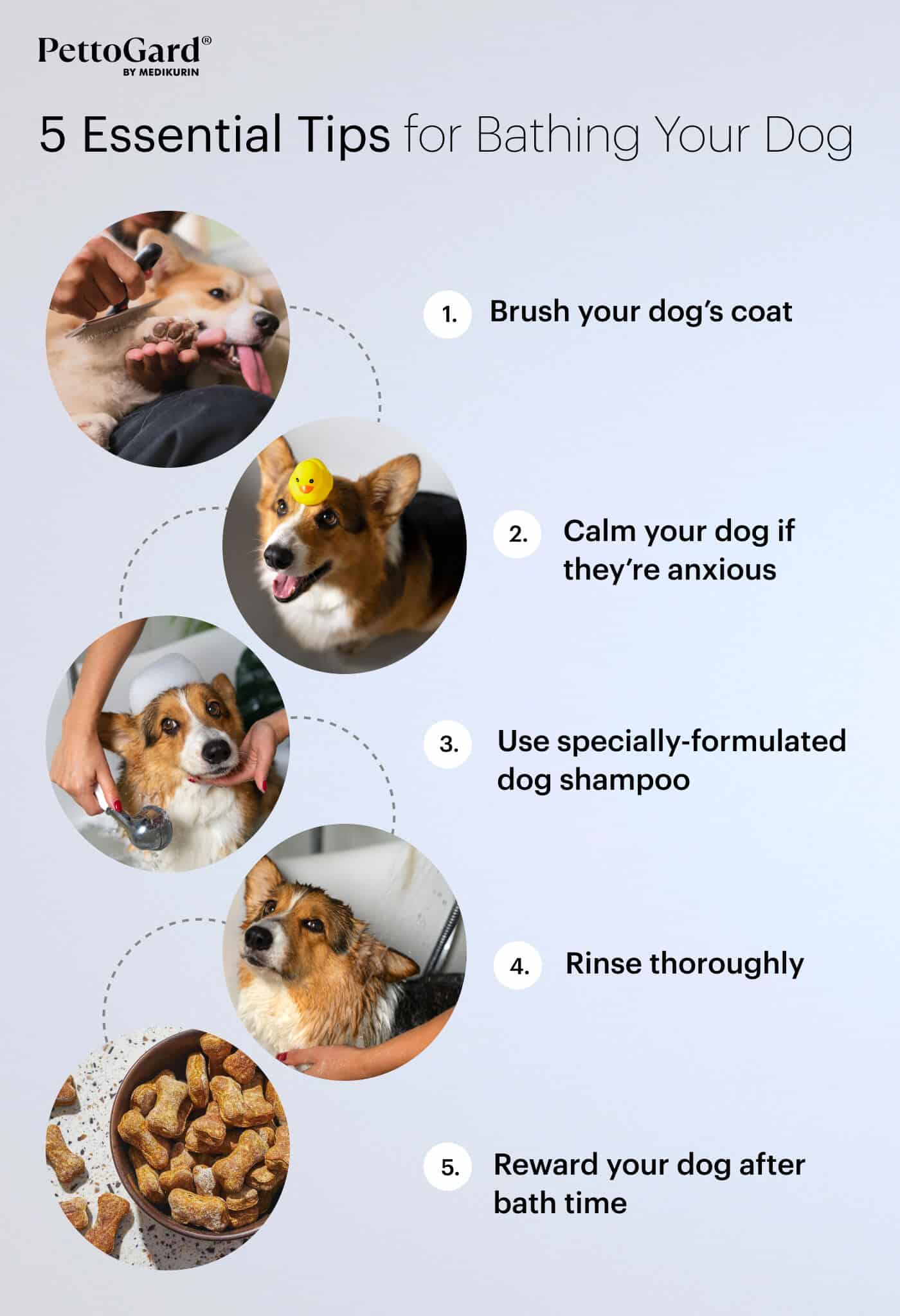
Before diving into brushing, it’s important to prepare your dog properly. A well-prepared dog will be calmer, making the grooming process easier and less stressful for both of you. Start by ensuring your dog is in a warm, quiet space where they feel safe. If your dog is anxious or nervous about grooming, spend a few minutes comforting them with gentle petting or a favorite toy beforehand to help them relax.
After a bath, your dog’s fur can be damp, which can sometimes make brushing more challenging. It’s best to let your dog shake off excess water or gently towel dry them to remove surface moisture. This not only speeds up the drying process but also prevents the fur from matting or becoming brittle when wet. For dogs with thick or long fur, consider using a blow dryer on a low, cool setting—just be sure to keep the dryer moving and avoid concentrating heat on one spot to prevent burns or discomfort.
Lastly, check your dog’s skin and coat for any signs of irritation, cuts, or skin conditions before brushing. If your dog has sensitive skin or recent skin issues, consult your veterinarian for recommendations on suitable grooming products and techniques. Preparing your dog physically and emotionally sets the stage for a smooth grooming session that benefits their coat and overall well-being.
Choosing the Right Grooming Tools and Products
The key to effective brushing after a bath lies in selecting the right tools and products tailored to your dog’s coat type. For example, slicker brushes are excellent for removing loose hair and detangling longer or curly fur without causing discomfort. Pin brushes, with their gentle bristles, work well for dogs with long, flowing coats, helping to smooth out tangles and distribute natural oils. For short-haired breeds, a rubber grooming mitt or a soft-bristle brush may be sufficient to keep the coat healthy and shiny.
In addition to brushes, consider investing in a metal comb with fine and wide teeth. Combs are especially useful for inspecting the coat for mats, fleas, or skin issues that might not be visible with a brush alone. When choosing grooming products such as shampoos and conditioners, opt for those formulated specifically for dogs—pH-balanced and free from harsh chemicals or artificial fragrances. Using high-quality grooming products can prevent skin irritation and leave the coat feeling soft and manageable.
Another important tip is to have grooming aids like detangling spray or coat conditioner on hand. These can help loosen stubborn mats and make brushing smoother, particularly for dogs with thick or curly coats. Remember, using the right tools and products not only enhances the grooming experience but also promotes a healthy, lustrous coat that’s resistant to matting and shedding.
Proper Techniques for Brushing Your Dog’s Fur After a Bath
Mastering the correct brushing technique is vital for ensuring your dog’s coat stays healthy and free of tangles. Begin by gently detangling any knots with your fingers or a wide-tooth comb, especially around sensitive areas like behind the ears, underarms, or legs. Using a gentle approach helps prevent pain and discomfort, encouraging your dog to associate brushing with a positive experience.
When brushing, work in the direction of hair growth, using smooth, gentle strokes. For long or thick coats, divide the fur into sections and brush each part thoroughly before moving to the next. This method ensures that no mats or loose hairs are missed. For curly or wavy coats, a slicker brush can help lift and remove loose hair from the roots, promoting a fluffy, healthy appearance.
Pay attention to sensitive areas such as the face, ears, and belly. Use a softer brush or even a damp cloth for these delicate zones to avoid irritation. Regularly check your dog’s skin for signs of dryness or irritation as you brush, and adjust your technique accordingly. Consistent, gentle brushing after a bath not only keeps the coat shiny but also stimulates blood flow and distributes natural oils, contributing to a healthy, vibrant coat.
Common Mistakes to Avoid When Brushing Your Dog Post-Bath
While brushing is a routine part of grooming, many pet owners unknowingly make mistakes that can cause discomfort or damage to their dog’s coat. One common error is rushing through the process; hurried brushing can lead to missed mats, uneven coat texture, and stress for your dog. Take your time, especially when working through tangles or thick fur, to ensure each area is properly groomed.
Another mistake is using the wrong tools or applying excessive force. Using a stiff-bristled brush on sensitive skin or pulling too aggressively can cause pain, skin irritation, or even skin abrasions. Always choose appropriate tools designed for your dog’s coat type and use gentle, steady strokes. If you encounter mats or stubborn tangles, do not yank or pull—use detangling sprays or consult a professional groomer for assistance.
Additionally, neglecting to check your dog’s skin during brushing can lead to missed signs of skin conditions or parasites. Regularly inspecting for redness, bumps, or fleas is part of good grooming hygiene. Avoid over-brushing, which can strip away natural oils; instead, aim for a balanced routine that keeps the coat healthy without causing excess dryness or oiliness.
Tips for Keeping Your Dog Comfortable During and After Grooming
Comfort is key when grooming your dog, especially after a bath when they may already feel vulnerable or tired. Establish a calming routine by speaking softly and offering treats throughout the process to ease anxiety. Creating a designated grooming space that is quiet, comfortable, and free from distractions can also help your dog relax and enjoy the experience.
During grooming, pay attention to your dog’s body language. If they seem stressed or uncomfortable, pause and give them a break. Incorporate positive reinforcement—praise, treats, or petting—to create a pleasant association with grooming. If your dog is particularly anxious, consider short, more frequent grooming sessions rather than one long session, which can be overwhelming.
After grooming, ensure your dog is kept warm and comfortable as they dry. For dogs with thick coats, consider providing a cozy blanket or a warm place to rest. Also, keep an eye on their skin for any signs of irritation or dryness, and use dog-safe moisturizers if necessary. Maintaining a calm, soothing environment before, during, and after brushing helps your dog feel safe and cherished, making grooming a bonding experience rather than a chore.
Conclusion
Brushing your dog’s fur after a bath is an essential step toward maintaining a healthy, shiny coat and promoting overall skin health. Proper preparation, selecting suitable tools and products, mastering gentle techniques, avoiding common pitfalls, and ensuring your dog’s comfort are all critical components of an effective grooming routine. Remember, patience and consistency are key—making grooming a positive experience will help your dog look and feel their best for years to come. With these tips, you’re well-equipped to keep your furry friend happy, healthy, and beautifully groomed.