


How to Control Your Dog’s Thick Undercoats: Essential Tips for Owners
If you’ve ever owned a double-coated dog—like a Siberian Husky, Alaskan Malamute, or Labrador—you’ve likely experienced the challenge of managing their dense, thick undercoats. These undercoats serve vital purposes, such as insulation and protection against the elements, but during shedding seasons or if not maintained properly, they can become unmanageable, leading to matting, discomfort, and health issues. As a dedicated dog owner, understanding how to control and groom your dog’s thick undercoat is essential for their comfort, health, and overall well-being. This article explores everything you need to know—from understanding the role of undercoats to effective grooming techniques and seasonal maintenance strategies.
Understanding Thick Undercoats and Their Role in Dogs’ Comfort
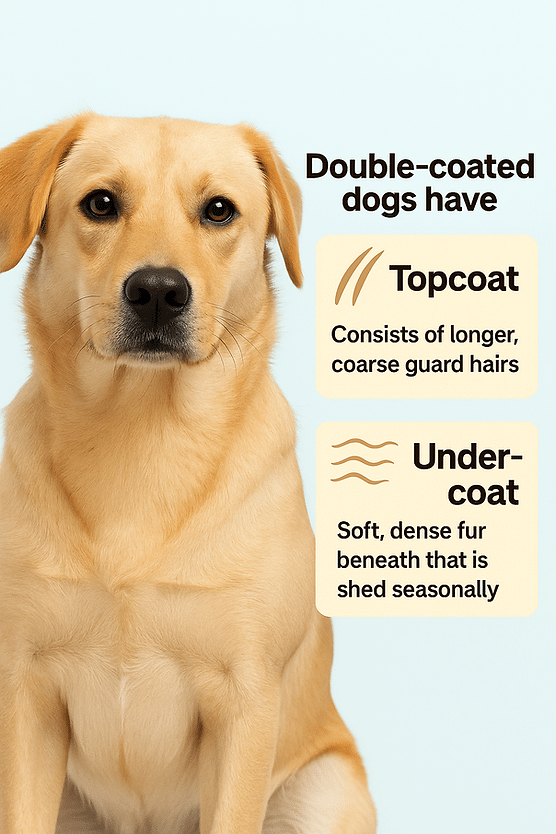
A dog’s undercoat is a dense layer of soft fur beneath the outer guard hairs. It’s a natural adaptation that helps dogs regulate their body temperature, keeping them warm in winter and cool in summer. This double-layered coat is especially prominent in breeds adapted to cold climates, providing insulation by trapping air close to the skin. The undercoat also acts as a protective barrier against dirt, debris, and moisture, which is particularly useful for outdoor dogs or those living in rugged environments. Recognizing the importance of the undercoat helps owners appreciate its function while understanding the need for proper management.
However, the very qualities that make thick undercoats beneficial can also pose grooming challenges if not properly maintained. During shedding seasons, the undercoat can molt heavily, leading to a significant amount of loose fur floating around your home. Left unchecked, this excess fur can mat, become matted, and trap dirt or parasites, potentially causing skin irritations or infections. Far from being just an aesthetic issue, a thick, unmanaged undercoat may also hinder airflow to the skin, trapping heat or moisture that can lead to discomfort or skin problems. Therefore, understanding your dog’s coat and its role in their comfort is the first step toward effective management.
Healthy undercoats also contribute to your dog’s overall comfort and mobility. When a coat becomes overly thick and unkempt, it can cause overheating in summer or cold stress in winter. It can also restrict movement if mats develop into tight tangles. Recognizing these signs early and maintaining a balanced coat not only keeps your dog looking good but also ensures they stay comfortable and healthy throughout the year. Proper grooming, therefore, becomes an essential part of caring for breeds with thick undercoats, helping them enjoy their environment comfortably with less risk of health issues.
Identifying When Your Dog’s Undercoat Becomes Overly Thick or Unmanageable
Knowing when to step in and groom your dog’s undercoat is crucial for preventing discomfort and health problems. Signs that your dog’s undercoat is becoming overly thick or unmanageable include excessive shedding, mats forming in the fur, and areas of skin irritation or redness. During seasonal shedding periods—typically in spring and fall—you might notice an increased amount of loose fur coming out, but if shedding continues beyond these seasons or seems abnormal, it warrants closer attention. Matting can develop quickly if loose undercoat fibers aren’t regularly removed, leading to painful tangles that tug at the skin.
Your dog may also show behavioral signs indicating discomfort related to their coat. For example, scratching, biting, or licking certain areas more than usual can be a sign of mats or skin irritation underneath the fur. Dogs suffering from thick, unmanaged undercoats might also exhibit reduced mobility or reluctance to engage in play, especially if heat builds up under the dense fur. Additionally, a foul odor or visible dirt trapped in the coat can be signs that grooming is overdue. Regular checks—by parting the fur and inspecting the skin—are effective ways to monitor their coat’s condition and catch issues early.
Another key indicator is the presence of tangled hair or clumps forming around the neck, behind the ears, or under the legs. These areas are prone to matting because they are often less accessible for grooming. If left unchecked, mats can lead to skin infections or hot spots that require veterinary treatment. Properly assessing the thickness and condition of your dog’s undercoat regularly will help you determine whether routine brushing, trimming, or more intensive grooming sessions are needed. Staying attentive to these signs ensures your dog remains comfortable, healthy, and free from the discomfort caused by an overly thick, unmanageable undercoat.
Effective Brushing Techniques to Reduce Excess Undercoat and Prevent Matting
Brushing is the cornerstone of managing a thick undercoat effectively. Proper techniques not only remove loose fur and reduce shedding but also prevent matting and skin issues. Start by selecting the right tools—such as undercoat rakes, slicker brushes, and de-matting combs—and use them in gentle, methodical strokes. Always brush in the direction of hair growth to avoid causing discomfort or skin irritation. Regular brushing, especially during shedding seasons, helps to lift loose fur, distribute natural oils, and promote healthy skin.
An effective brushing routine involves dividing your dog’s coat into manageable sections. For breeds with thick undercoats, use an undercoat rake or de-shedding tool to reach beneath the top layer and gently remove dead or loose hairs. Begin at the head and work your way down the body, maintaining a steady, gentle pressure. For sensitive areas like the belly or around the ears, opt for softer brushes to avoid causing discomfort. It’s also beneficial to check for any mats or tangles as you go, paying special attention to common trouble spots. Removing mats early prevents them from tightening into painful knots that require professional grooming.
Consistency is key to keeping undercoats manageable. Daily or every-other-day brushing during shedding seasons can significantly reduce the amount of fur shed around your home and keep your dog comfortable. For dogs prone to mats, incorporating regular grooming sessions into your routine helps prevent tangles from forming in the first place. If mats do develop, don’t attempt to cut them out yourself unless you’re experienced, as this can hurt your dog or make the problem worse. Instead, seek professional groomers for careful de-matting or trimming. Ultimately, a gentle, consistent approach will keep your dog’s coat healthy, free of excess fur, and comfortable year-round.
Selecting the Right Grooming Tools for Managing Thick Undercoats
Choosing the correct grooming tools is essential for effective undercoat control, especially for breeds with dense, thick fur. Not all brushes and combs are created equal, so understanding which tools suit your dog’s coat type makes a big difference. For managing heavy undercoats, an undercoat rake or de-shedding tool is often the most effective. These tools are designed with fine, closely spaced teeth that gently pull out loose fur from beneath the outer coat without damaging the skin or hair. Look for models with adjustable settings or different comb attachments to customize grooming sessions based on your dog’s coat condition.
Slicker brushes are another vital tool, particularly for removing surface dirt, loose fur, and smaller tangles in the outer coat. They typically feature fine wire bristles that trap loose hair while gently stimulating the skin. For sensitive or matted areas, a pin brush can be useful, but it should be used carefully to avoid pulling or causing discomfort. Combining these tools—using an undercoat rake first to remove loose fur, followed by a slicker brush to smooth the coat—results in a thorough grooming session that effectively reduces undercoat thickness and prevents matting.
In addition to brushes and rakes, grooming scissors or clippers are sometimes necessary for trimming thick areas or managing mats that can’t be brushed out easily. For dogs with heavy undercoats, investing in high-quality grooming scissors with rounded tips can help trim excess fur around the paws, ears, or other sensitive areas. If you’re unsure about using clippers, professional groomers can provide advice or perform trims that keep the coat manageable without causing stress or injury. Regularly replacing worn or ineffective tools ensures your grooming routine remains effective and comfortable for your dog.
Seasonal Coat Maintenance Strategies for Healthy and Comfortable Dogs
Managing your dog’s coat seasonally is vital to ensure they stay comfortable and healthy all year round. During spring and fall, dogs naturally shed their undercoats, so increasing the frequency of grooming sessions—such as daily brushing—helps manage the shed and prevents mats from forming. In summer, trimming the coat or thinning it out can help keep your dog cool, especially for breeds with thick undercoats, while maintaining some insulation for colder months. Conversely, in winter, you might want to leave the coat a bit longer to provide extra warmth, but still, ensure it’s clean and free of mats.
A comprehensive seasonal grooming plan involves more than just brushing. Regular baths with de-shedding shampoos can loosen dead undercoat hairs, making brushing more effective. After bathing, thoroughly drying the coat with a blow dryer on a low, cool setting can help remove residual loose fur and prevent the coat from trapping moisture, which could lead to skin infections. Additionally, scheduling professional grooming sessions before seasonal changes ensures your dog’s coat is appropriately managed, and any problem areas like mats or excessive thickness are addressed early.
Finally, adjusting your grooming routine to accommodate seasonal changes can improve your dog’s comfort and health. For example, in summer, trimming or thinning the coat gives better airflow, preventing overheating. In winter, focusing on keeping the coat clean and free of mats enhances insulation. Monitoring your dog’s response to grooming—such as signs of discomfort or overheating—helps tailor the routine for their specific needs. Proper seasonal coat maintenance not only keeps your dog looking good but also ensures they stay happy, healthy, and comfortable throughout the year.
Conclusion
Controlling your dog’s thick undercoats might seem daunting at first, but with the right knowledge and tools, it becomes a manageable part of caring for your furry friend. Understanding the vital role of the undercoat helps you appreciate the importance of regular grooming, which prevents mats, reduces shedding, and keeps your dog comfortable during seasonal transitions. Recognizing signs of an overly thick or unmanaged undercoat allows you to intervene early, avoiding discomfort or skin issues. Using appropriate grooming techniques—like gentle brushing with the right tools—ensures your dog’s coat remains healthy and free of tangles.
Seasonal coat maintenance is equally important, as it aligns grooming routines with your dog’s natural shedding cycles and climate needs. Whether trimming in summer to keep your dog cool or ensuring a thick winter coat for warmth, these strategies contribute greatly to their well-being. Remember, patience and consistency are key—your dog will thank you for giving them a comfortable, healthy coat that looks and feels great. By investing time in proper grooming and understanding your dog’s coat needs, you’re not only enhancing their comfort but also strengthening the bond you share. Regular care and attention make all the difference in keeping your dog happy, healthy, and looking their best year-round.